
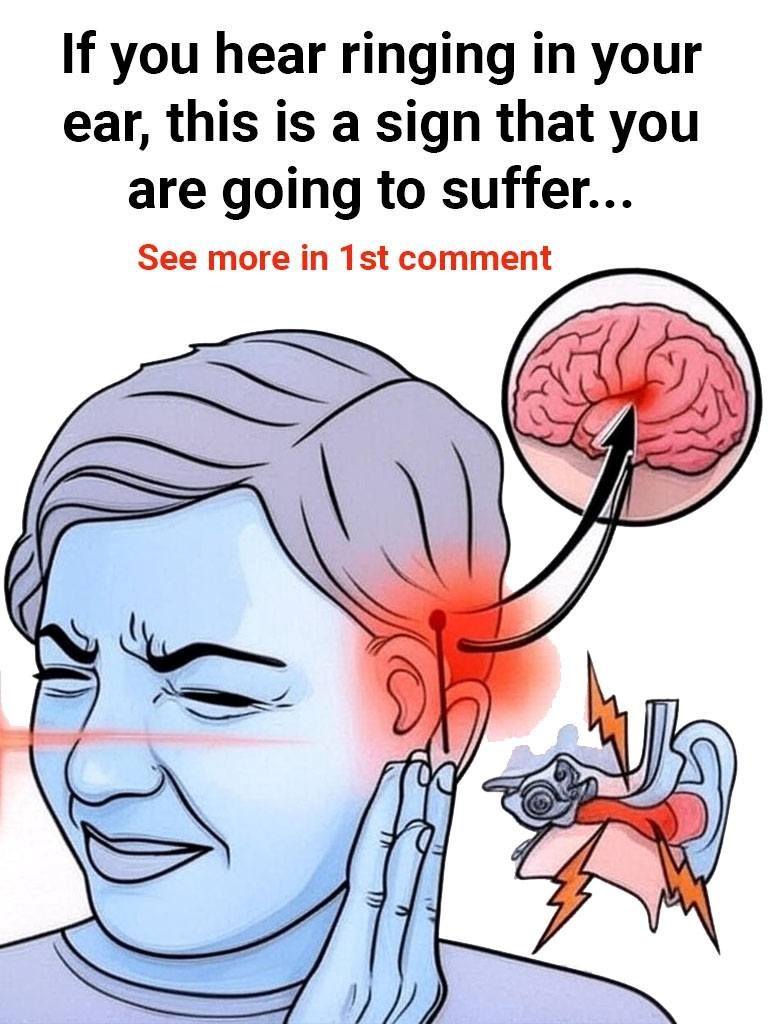
If you’ve ever experienced a persistent ringing, buzzing, or hissing in your ears, you’re not alone. This phenomenon, known as tinnitus, affects millions of people worldwide and can be quite unsettling. Understanding tinnitus is crucial, as it not only impacts your auditory experience but also has significant implications for your brain health. In this article, we will explore the relationship between tinnitus and brain function, shedding light on its causes, effects, and potential relief strategies.
What Is Tinnitus?
Tinnitus is the perception of sound without an external source. This means that your ears and brain are generating sounds—such as ringing, buzzing, hissing, or even whistling—that no one else can hear. It can affect one ear, both ears, or feel like it’s emanating from inside your head.
Why People Struggle With Tinnitus
The experience of tinnitus can vary greatly among individuals. Some may find it to be a constant annoyance, while others may experience it intermittently. The severity of tinnitus can range from mildly irritating to life-disrupting, often accompanied by stress, anxiety, or sleep disturbances. Understanding these challenges is essential for those seeking relief.
Tinnitus is not merely an “ear problem”; it is intricately linked to how your brain processes sound. The way your brain reacts to tinnitus can exacerbate or alleviate the condition, making it vital to comprehend the underlying mechanisms at play.
