
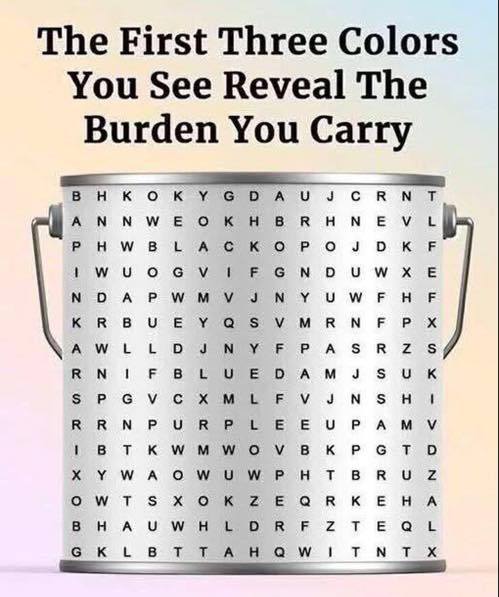
Colors have a profound impact on our emotions and can express feelings we may not even be aware of. From the vibrant hues we wear to the calming tones of our surroundings, color serves as a silent communicator of our inner states. Understanding how different colors resonate with our emotions can provide valuable insights into our psychological landscape and help us navigate our feelings more effectively.
The Emotional Language of Color
Long before we articulate our thoughts, color begins to speak for us. The shades we choose to wear, the tones we surround ourselves with at home, and even the colors we instinctively avoid reflect our emotional states. Color is more than mere preference or fashion; it is a powerful form of emotional expression that mirrors our moods, memories, and inner needs.
For those who have experienced many chapters of life, it’s particularly fascinating to observe how color preferences evolve over time. A bold red scarf, a tranquil blue bedroom wall, or a soft yellow teacup—these subtle choices often reveal where we stand emotionally, even when we’re not fully aware of it.
