
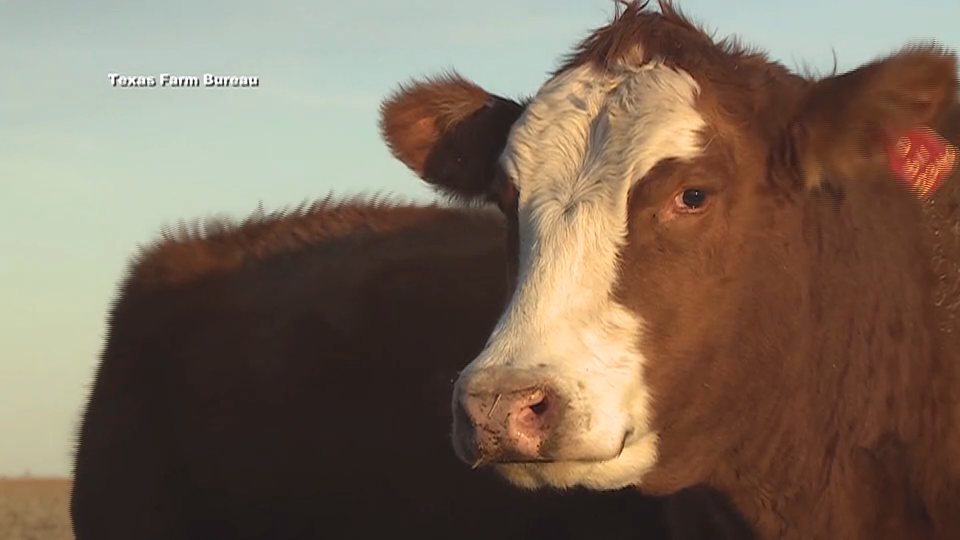
It’s back: For the first time since 1982, the New World screwworm has been found in U.S. cattle. The flesh-eating parasitic fly, which was eradicated from American cattle herds almost 50 years ago, has been detected in three cows, one dog and a goat, prompting Canada to restrict cattle imports from the United States and raising the specter of a wider outbreak.
The New World screwworm was a massive problem in U.S. cattle herds for much of the 20th century, killing countless cows and costing the industry hundreds of millions of dollars. One screwworm outbreak in Texas in 1935 is estimated to have killed 180,000 cattle. It was mostly eradicated from the United States by 1966 via releasing sterile insects that could not reproduce.
Sentient broke down the details of the New World screwworm’s return, the impacts it has on the livestock industry, and what authorities are doing to prevent a widespread outbreak.
The screwworm’s long-dreaded arrival in the United States comes at a particularly fraught time for the country’s beef industry. Beef prices are at a record high: ground beef was a whopping $6.90 per pound in April, up 24% since Trump began his second term in January 2025. This is partly because the number of cattle in the U.S. is at a 75-year low, and screwworm could push those numbers still lower. Efforts to contain the fly could be costly for producers and further drive up beef prices — and if a screwworm outbreak becomes widespread, it could be catastrophic for the industry. An outbreak could kill calves and make adult cattle unhealthier, leaving less meat that is fit for sale.
