

- Thermal Tempering: Remove the prime rib from the refrigerator at least 90 minutes before cooking. This is a critical regulation; a room-temperature roast ensures an even “pink-to-edge” finish.
- The High-Heat Sear: Preheat your oven to 450°F (230°C). Apply the herb butter rub generously. Roast for 15 minutes to create a mahogany crust, then drop the heat to 325°F (160°C) for the remainder of the cook (approx. 15 mins per pound for medium-rare).
- The Casserole & Potatoes: While the beef roasts, mix your casserole ingredients and place in the oven. Toss baby potatoes in olive oil and salt, placing them on a tray alongside. They will both take roughly 45–55 minutes at 325°F.
- The Rest (The Rule of 20): Once the meat hits 125°F (for medium-rare), remove it. Let it rest for 20 minutes tented with foil. This allows the juices to pull back into the muscle fibers.
- The Quick Gravy: While the meat rests, place the roasting pan on the stove. Whisk flour into the drippings to make a paste (roux), then slowly whisk in beef stock. Simmer until it coats the back of a spoon.
- The Green Bean Flash: Blanch green beans in boiling salted water for 3 minutes, then shock in cold water. Sauté briefly in butter right before serving.
Presentation: Serving and Storage
Serving: Slice the prime rib into thick “steaks.” Serve on a warm platter with the casserole and potatoes arranged as a “horseshoe” around the meat. Drizzle the gravy specifically over the beef and potatoes, leaving the green beans bright and unadorned.
Storage: Prime rib leftovers are the “gold standard” for next-day sandwiches. Store in an airtight container for up to 3 days.
Reheating: To preserve the medium-rare center, reheat slices in a 250°F oven with a splash of beef broth covered in foil for 10 minutes.
Chef’s Tips: Mastering the Thermal Bloom
- The Internal Probe: Do not rely on time; rely on temperature. A digital probe thermometer is the difference between a “Premium Roast” and “Overcooked Chaos.”
- The “Shatter” Potato: For baby potatoes, use a fork to gently “smash” them halfway through roasting. This increases the surface area for the butter to create a crispy shell.
- Gravy Depth: Add a teaspoon of Worcestershire sauce to your gravy for an instant umami boost that mimics hours of simmering.
The Flavor Pivot: Variations
- The Horseradish Kick: Mix 1/2 cup sour cream with 2 tbsp prepared horseradish for a cold, sharp side sauce.
- The Blue Cheese Casserole: If making a broccoli casserole, stir in 1/4 cup of blue cheese crumbles for a bold, steakhouse-inspired profile.
- Garlic-Balsamic Beans: Toss the green beans in a balsamic reduction and minced garlic instead of butter for an acidic “pop.”
- The Red Wine Jus: Replace 1/2 cup of the beef stock in your gravy with a dry Cabernet Sauvignon.
Success Strategies: The “Multi-Rack” Regulation
When cooking three items in one oven, follow these efficiency rules:
- Air Circulation: Do not crowd the racks. If the trays are touching the oven walls, the air won’t circulate and the potatoes will be soggy rather than “shatter-crisp.”
- Staggered Start: Start the roast first. The casserole and potatoes only go in once the oven temperature has been dropped to 325°F.
- The Foil Shield: If the casserole is browning too quickly while the beef is still cooking, tent it loosely with foil to keep the interior creamy without burning the top.
Conclusion: An Honest, Vibrant Masterpiece
Prime Rib Dinner Perfection is a testament to the fact that great flavor doesn’t require “chaos”—it requires **rhythm**. By respecting the temperature of the meat, the timing of the sides, and the richness of the gravy, you’ve created a dish that is honest, vibrant, and incredibly grounding. This is a meal that defines “Weekend Vibes,” turning your kitchen into a premium steakhouse for an evening. Enjoy every velvet-smooth slice and every golden, roasted bite!
Frequently Asked Questions
- Can I use a boneless rib roast?
- Yes, but you may need to reduce the cook time slightly. The bone acts as an insulator, so boneless roasts tend to cook faster in the center.
- Why is my gravy lumpy?
- This happens if the flour is added to a liquid that is too hot, too fast. Always whisk the flour into the fat first to create a smooth “slurry” before adding the stock.
- Is prime rib the same as ribeye?
- Essentially, yes. The “Prime Rib” is the whole roast (before slicing), while a “Ribeye” is a single steak cut from that roast. The flavors and marbling are identical.
- What if I don’t have a roasting rack?
- You can create a natural rack by placing the meat on top of thick slices of onion and celery. This prevents the bottom of the meat from “stewing” in its own juices.
Related posts:
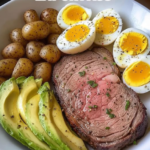 The Balanced Prime Rib Power Plate: A High-Protein Gourmet Feast
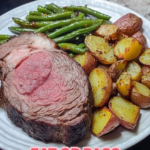 A Masterclass in Prime Rib, Roasted Potatoes, and Green Beans
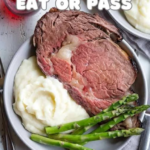 Mastering the Ultimate Prime Rib
 The Viral Hit: Mastering Dill Pickle Pot Roast
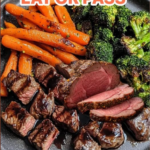 Mastering Garlic Prime Rib Bites with Balsamic Charred Greens
 Ground Beef & Gravy Over Mashed Potatoes
