

Phase 1: The “Spoon and Level” Method
Flour is highly compressible. If you scoop directly with your measuring cup, you may pack up to 20% more flour into the cup than intended, leading to a dry, “hockey puck” biscuit. By spooning the flour into the cup and leveling it with a knife, you ensure the flour stays aerated and the ratio to the cream remains perfect.
Phase 2: The Hydration Balance
Add the 1/2 cup of cream to the flour. Stir gently. The “Stiff Dough” Rule: Flour hydration can change based on the humidity in your kitchen. If the dough seems “shaggy” or leaves dry flour at the bottom of the bowl, add a tablespoon of cream at a time. You want a dough that is tacky but not sticky—it should just barely pull away from the sides of the bowl.
Phase 3: The Hand-Division
Transfer to a floured surface. Do not use a rolling pin! A rolling pin compresses the air pockets you’ve just created. Gently pat the dough into a circle about 1 inch thick. Use your hands to divide the dough. For two people, dividing into 3 regular biscuits ensures they are large enough to split and fill with jam or sausage gravy.
Phase 4: The Thermal Shock (500°F)
Most home cooks are afraid of 500°F (260°C). However, for biscuits, this heat is essential. The high temperature causes the water in the cream to turn to steam instantly. This “flash-steam” expands the air pockets in the dough before the structure sets, resulting in a massive “spring” or lift. In a 350°F oven, the biscuits would spread and dry out; at 500°F, they explode upward and stay moist inside.
Phase 5: The Butter Finish
Brush with butter before they go in (to encourage browning) and immediately when they come out (to soften the crust). This creates a “steam-seal” that keeps the interior fresh until you’re ready to eat.
The Science of “The Touch”
Why do we “put it onto a floured surface like you normally do” but stay gentle? It’s all about Gluten Management. Every time you fold or press the dough, you are aligning protein strands. For flaky layers, you want 2-3 gentle folds. For a “drop-style” fluffy biscuit, you want zero folds. Since this is a cream biscuit, the goal is “tender-crumb.” Over-working the dough will activate the 8% protein in the White Lily, turning your delicate biscuit into a chewy dinner roll.
Small-Batch Pro-Tips
- The “Close Together” Secret: When placing your 3 biscuits on the pan, make sure they are touching. Biscuits that huddle together will rise higher because they support each other’s upward growth, preventing them from spreading outward.
- Cold Cream: Even though we aren’t “cutting in” fat, keep your heavy cream as cold as possible until the moment you mix it. Cold cream keeps the butterfat solid longer in the oven, contributing to a better rise.
- The Oven Rack: Bake in the upper third of the oven. This ensures the tops get that beautiful golden brown from the 500°F heat before the bottoms burn.
Small-Batch Variations
| Variation | The Addition | The Vibe |
|---|---|---|
| Sweet Cream | 1 tsp sugar in the flour | Perfect for strawberry shortcake. |
| Savory Herb | 1/2 tsp dried rosemary | Ideal for dipping in soup or stew. |
| Cheesy Cream | 1/4 cup shredded cheddar | A rich, “Red Lobster” style finish. |
Conclusion: The Joy of Simple Baking
The Two-Ingredient Cream Biscuit is a reminder that excellence doesn’t require complexity. By understanding the relationship between low-protein flour and high-fat cream, you can produce a bakery-quality biscuit in the time it takes for your coffee to brew. Whether you’re living alone or sharing a quiet morning with a partner, these three warm, buttery biscuits represent the heart of Southern hospitality. Master the 500°F heat, trust the White Lily, and enjoy the fluffiest bite of your life!
Frequently Asked Questions
- Can I use All-Purpose flour if I don’t have White Lily?
- You can, but you must add 1.5 tsp of baking powder and 1/4 tsp of salt per cup of flour. Additionally, be prepared for a slightly denser biscuit due to the higher protein content of standard AP flour.
- My biscuits didn’t brown well. Why?
- At 500°F, browning happens fast. If they stayed pale, your oven might not be reaching the true temperature, or you may have skipped the pre-bake butter brush. Use an oven thermometer to verify the heat!
- Can I use Half-and-Half?
- No. Half-and-half lacks the necessary fat content (it’s only 10-18% fat). Your biscuits will be tough and won’t have the rich flavor or structural “lift” that heavy cream provides.
Would you like me to suggest a “Single-Serving Sausage Gravy” recipe to go with these 3 biscuits, or perhaps show you how to turn this dough into “Cream Scones” with dried fruit?
Related posts:
 Southern Alchemy: Melt-in-Your-Mouth 2-Ingredient Biscuits
 Southern Alchemy: Melt-in-Your-Mouth 2-Ingredient Biscuits
 Mastering Gooey Mozzarella Biscuit Bombs
 The Southern Beef & Biscuit Bake: A Study in Savory Stratification
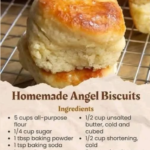 Cloud-Like Perfection: The Secret to Homemade Angel Biscuits
 Southern Sausage Biscuits
