ADVERTISEMENT
In a non-reactive bowl or resealable bag, combine the chicken tenders, olive oil, and fresh lemon juice. Ensure all tenders are thoroughly coated. The non-reactive container is crucial to prevent undesirable metallic flavors from leaching into the acidic marinade. The initial mixing ensures maximum **surface contact**, which is vital for efficient flavor transfer and protein modification.
Allow the chicken to marinate in refrigeration for exactly 20-30 minutes. This precise timeframe is the critical regulatory window for citric acid’s tenderizing effects. Marinating for less than 20 minutes may not allow sufficient time for protein relaxation, resulting in tougher chicken. Exceeding 30 minutes, especially with pure lemon juice, risks over-denaturation, where the muscle fibers become too loose, leading to a “mealy” or “chalky” texture that is highly undesirable. The cold temperature of refrigeration also slows down enzymatic activity, further controlling the tenderization process.
Step 2: Thermal Pre-Calibration: Achieving Optimal Grill Surface Temperature
Preheat your grill to medium-high heat. This corresponds to a surface temperature of approximately 400-450°F (200-230°C). Achieving this specific thermal condition is paramount for triggering the Maillard reaction efficiently. Insufficient heat leads to pale, steamed chicken rather than a caramelized, flavorful crust. Conversely, excessively high heat will char the exterior before the interior cooks through, creating a tough, unevenly cooked product.
Lightly oil the grill grates. This step is often overlooked but critical for preventing adhesion. A thin layer of oil on the hot grates creates a temporary non-stick barrier, ensuring the chicken releases cleanly once sufficient protein coagulation and caramelization have occurred. Without this, the tender’s delicate surface might tear, losing precious juices.
Step 3: Direct Thermal Conduction: Precision Searing and Flipping
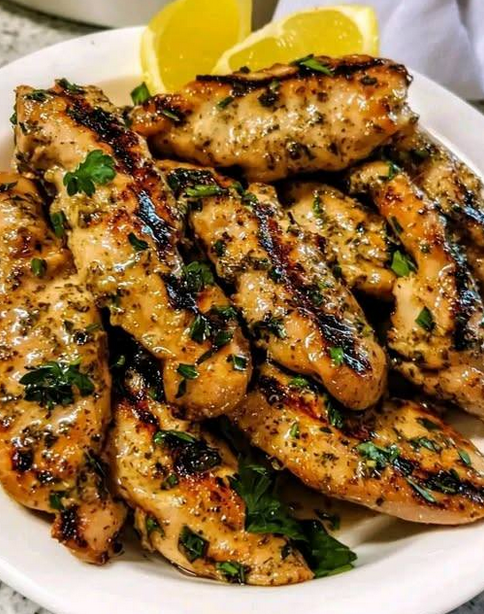
Place the marinated chicken tenders directly onto the preheated, oiled grill grates. Cook for approximately 3-4 minutes per side. Resist the urge to move or flip the tenders prematurely. The initial contact time is essential for developing a stable crust and distinct grill marks. Flipping too early interrupts the Maillard reaction, leading to an inferior crust.
The cooking duration is carefully calibrated for chicken tenders. Their relatively small mass means they cook rapidly. An internal temperature probe is recommended to confirm doneness, aiming for 165°F (74°C). Overcooking by even a few degrees can cause significant moisture loss, resulting in dry chicken, particularly with lean cuts like tenders.
Step 4: Post-Grill Relaxation: Optimizing Internal Moisture Distribution
Once cooked, remove the tenders from the grill and allow them to rest on a clean plate or cutting board for 5 minutes. This resting phase is a crucial element of poultry cooking science. During high-heat cooking, muscle fibers contract and push internal juices towards the center of the meat. Resting allows these juices to redistribute evenly throughout the muscle, resulting in a significantly juicier and more tender product upon slicing or biting. Skipping this step often leads to immediate juice loss when the chicken is cut, resulting in a drier eating experience.
Serving and Storage: Maintaining Optimal Sensory Attributes
The post-preparation handling of Greek-style chicken tenders significantly impacts their flavor and texture, especially for meal prep scenarios.
Serving Hot: Peak Flavor and Texture
For immediate consumption, serve the tenders hot, ideally within 10-15 minutes of grilling (after the resting period). This ensures the exterior retains its crisp char and the interior remains maximally juicy. The volatile aromatic compounds from the lemon and any added herbs are at their most potent when warm.
Refrigerated Storage: Controlled Protein Coagulation
For meal prep, allow the grilled tenders to cool completely to room temperature before transferring them to an airtight container. Refrigerate for up to 3-4 days. Cooling slowly and storing in a sealed environment minimizes condensation, which can lead to a soggy texture. The proteins remain stable in this state, although some loss of initial juiciness is inevitable due to starch retrogradation and water binding changes.
Reheating Considerations: Minimizing Desiccation
Reheating can be challenging for lean grilled chicken. To prevent dryness, avoid high-power microwave reheating. Instead, gently warm in a skillet with a splash of chicken broth or water, or in a preheated oven (300°F/150°C) covered with foil, until just warmed through. The added moisture creates a steam environment, preventing further dehydration of the muscle fibers.
Tips: Elevating the Culinary Experience
1. The Aromatic Boost: Unlocking Flavor Through Lipid Solubility
While minimalist, this recipe is a perfect canvas for aromatic enhancement. Adding 1-2 cloves of finely minced garlic or 1 teaspoon of dried oregano (or a mix of Mediterranean herbs) to the marinade will significantly deepen the flavor profile. These compounds are highly lipid-soluble, meaning the olive oil acts as an excellent carrier, drawing their essences into the chicken. When garlic is used, ensure it is minced very finely to prevent burning on the grill, which can impart a bitter flavor.
2. The Salt Factor: Precision Seasoning for Enhanced Savoryness
Salt is a flavor enhancer, but its timing in this recipe is crucial. Instead of adding salt to the marinade, season the chicken tenders with kosher salt and freshly ground black pepper immediately before placing them on the hot grill. Salting too early in the marinade can draw out moisture from the chicken through osmosis, potentially leading to a tougher product. Applying salt just before grilling ensures it forms a flavorful crust without compromising internal juiciness, enhancing the perception of savoriness and complementing the Maillard reaction.
Variations: Expanding the Flavor Palette
The core methodology of this Greek-style chicken tender recipe can be adapted to explore a broader spectrum of Mediterranean-inspired flavors, utilizing the same principles of acid and lipid interaction.
- Spicy Mediterranean: Introduce a pinch of red pepper flakes or a dash of harissa paste to the marinade for a controlled capsaicin kick. The olive oil will help to distribute the heat evenly.
- Herbal Infusion: Experiment with other fresh herbs like rosemary or thyme. Their volatile oils will infuse beautifully with the olive oil, providing distinct aromatic notes. Crush fresh herbs lightly before adding to release more of their essential oils.
- Zesty Orange Twist: Substitute half the lemon juice with fresh orange juice and add a teaspoon of orange zest. The slightly sweeter and less acidic orange provides a different fruity dimension while still offering some tenderizing effects.
- Yogurt Tenderization: For an even deeper tenderization, particularly for slightly tougher cuts, a quick 30-minute marinade in plain Greek yogurt (along with lemon and herbs) can be transformative. The lactic acid and enzymes in yogurt are highly effective protein tenderizers, and the yogurt itself forms a protective crust during grilling.
- Smoked Paprika Depth: Add 1 teaspoon of smoked paprika to the tenders before grilling. This contributes a rich, earthy, and subtly smoky flavor that complements the char from the grill.
Tips: Advanced Techniques for Grill Mastery
1. The Dual-Zone Grilling Technique: Achieving Perfection
For thicker tenders or if you prefer a more controlled cook, employ dual-zone grilling. Set one side of your grill to medium-high heat (direct heat) and the other to low heat (indirect heat). Start by searing the tenders for 1-2 minutes per side over direct heat to develop the crust and grill marks. Then, move them to the indirect heat side, close the lid, and cook until they reach an internal temperature of 165°F (74°C). This prevents over-charring while ensuring the interior cooks gently and evenly, maximizing juiciness.
2. Enhancing Maillard with a Sugar Brush: The Glazing Effect
For an extra layer of sweetness and even deeper caramelization, consider a light glaze. Towards the very end of grilling (the last minute or two), you can lightly brush the tenders with a mixture of 1 tablespoon olive oil, 1 teaspoon honey, and a pinch of dried oregano. The sugars in the honey will rapidly caramelize under the high heat, creating a beautiful sheen and a subtly sweet counterpoint to the savory and acidic notes. This technique requires careful monitoring to prevent burning.
Conclusion: The Triumph of Balanced Flavor and Texture
The Greek-Style Grilled Chicken Tenders stand as a testament to the power of thoughtful ingredient interaction and precise thermal management. By understanding the roles of citric acid in protein tenderization, olive oil in heat transfer and flavor delivery, and the critical importance of proper cooking and resting times, one can consistently achieve a truly superior product. This recipe transforms simple ingredients into a dish that is not only delicious but also scientifically optimized for a tender, juicy, and flavorful eating experience. It exemplifies how basic culinary principles, when applied with precision, can elevate everyday cooking to gourmet standards.
Frequently Asked Questions: Troubleshooting & Optimizations
Q: Why did my chicken tenders turn out tough?
A: Toughness can be attributed to several factors: under-marination (not enough time for the acid to tenderize), overcooking (excessive heat denatures proteins and expels moisture), or insufficient resting time (juices leak out immediately upon cutting). Ensure you adhere to the 20-30 minute marinade, monitor internal temperature, and allow for proper resting.
Q: Can I use chicken thighs instead of tenders?
A: Absolutely. Chicken thighs, being a darker meat, contain more fat and connective tissue (collagen), making them inherently more forgiving and less prone to drying out. They will benefit from a slightly longer grilling time (5-7 minutes per side) and can also tolerate a slightly longer marination (up to 45 minutes) due to their robust structure.
Q: My grill marks aren’t very dark. What am I doing wrong?
A: This is typically an issue of insufficient grill temperature. Ensure your grill is preheated to medium-high for at least 10-15 minutes before adding the chicken. Also, avoid moving the chicken too early; allow 3-4 minutes of undisturbed contact time for the Maillard reaction to fully develop the dark, flavorful crust.
Q: Can I prepare these in advance for a party?
A: You can marinate the chicken tenders up to 30 minutes ahead of time. For longer prep, you can marinate the chicken (without the lemon juice) with olive oil and herbs overnight, then add the lemon juice for the final 20-30 minutes before grilling. This separates the long-term flavor infusion from the short-term acidic tenderization, preventing over-denaturation.
ADVERTISEMENT