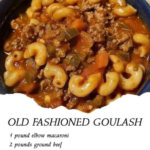
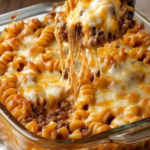
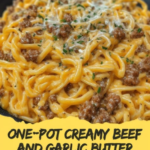
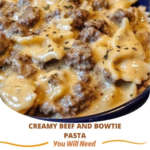
Heat the olive oil and brown the ground beef with the diced onions. This initiates the Maillard Reaction, creating hundreds of flavor compounds. Drain the excess fat, leaving only about 1 tablespoon to sauté the garlic and tomato paste. This “blooms” the tomato paste, deepening its color and flavor through pyrolysis.

Phase 2: Aqueous Infusion and Starch Release
Add the beef broth, milk, and uncooked macaroni. Bring to a gentle simmer. As the temperature rises, the starch granules in the pasta undergo Gelatinization, swelling as they absorb the liquid. By simmering rather than boiling, you prevent the pasta from tearing while ensuring a steady release of surface starch into the surrounding liquid.
Phase 3: The Cheesy Emulsification
Once the pasta is al dente and most of the liquid has been absorbed, remove from heat. Gradually fold in the shredded cheddar. The residual heat (approx. 150°F – 160°F) is the optimal temperature for melting cheese without causing the proteins to tighten and the fats to separate (breaking the sauce).
4. Service and Storage: Post-Production Management
Due to the high starch content, this dish will continue to thicken as it cools. For optimal texture, serve immediately while the Liquid-to-Solid Ratio is at its peak fluidity.
| Method | Shelf Life | Texture Change |
|---|---|---|
| Fresh Service | Instant | Silky, glossy, and adherent. |
| Refrigerated | 3–4 Days | Starches will undergo retrogradation; sauce will firm up. |
| Reheating | N/A | Add a splash of milk or broth to “re-mobilize” the starch-cheese matrix. |
5. Tips: The Professional’s Edge
The “Fresh Shred” Regulation: Pre-shredded cheese is treated with potato starch or natamycin to prevent clumping. In a skillet meal, these additives interfere with the cheese’s ability to bond with the pasta starch, often resulting in a grainy or “sandy” texture. Grating your own cheese ensures a pure protein-fat melt.
- The Liquid Balance: If the pasta is still firm but the liquid is gone, add an extra 1/4 cup of broth. If there is too much liquid, simmer for 2 more minutes uncovered to facilitate Evaporative Reduction.
- Acid Balance: If the dish feels “heavy,” a teaspoon of yellow mustard or a splash of hot sauce provides the necessary acidity to cut through the dairy fats.
6. Variations for the 2026 Table
The “Helper Chassis” is highly customizable for various flavor profiles:
- The “Philly” Variant: Replace cheddar with Provolone and add sautéed bell peppers and mushrooms during Phase 1.
- The Taco Infusion: Add 2 tablespoons of taco seasoning and swap the cheddar for a Pepper Jack blend. Garnish with fresh cilantro.
- The Smokehouse: Use smoked paprika in the seasoning and stir in 1/4 cup of your favorite BBQ sauce during the liquid infusion phase.
7. Conclusion: The Power of Home-made Emulsions
This homemade Hamburger Helper represents a significant upgrade over industrial alternatives. By leveraging One-Pot Physics and using high-quality whole ingredients, you create a meal that is chemically stable and nutritionally superior. The combination of Maillard-seared beef, starch-thickened broth, and a sharp cheddar emulsion defines the gold standard for modern comfort cooking. Enjoy the richness that only real cheese and fresh starch can provide!
Frequently Asked Questions
Q: Can I use whole wheat pasta?
A: Yes, but whole wheat pasta releases less starch and takes longer to hydrate. You may need to add an additional 1/2 cup of liquid and increase the simmer time by 3–5 minutes.
Q: Why did my cheese sauce turn grainy?
A: This usually happens if the heat is too high when the cheese is added. High heat causes the cheese proteins to denature and clump together. Always remove the skillet from the burner before folding in your cheese.
Q: Can I freeze this?
A: Pasta dishes with dairy-based sauces can become slightly mushy when thawed. If you must freeze it, undercook the pasta significantly (very firm) so it holds its shape during the reheating process.