
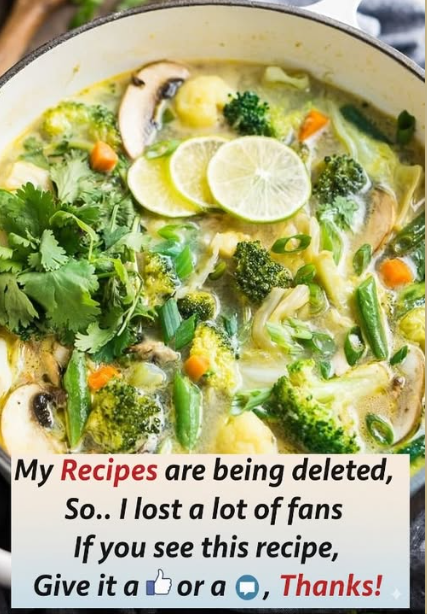
The secret to a great Thai soup is the initial “bloom” of the spices and aromatics.
- The Sauté: Heat coconut oil in a large pot over medium heat. Add the carrot, celery, and the white parts of the green onions. Sauté for 5 minutes until slightly softened.
- The Bloom: Stir in the ginger, garlic, and green curry paste. Cook for 1–2 minutes until the fragrance fills your kitchen. This “blooms” the spices in the oil, intensifying the flavor.
- The Liquid Build: Pour in the vegetable broth and the coconut milk. Stir well to ensure the curry paste is fully incorporated. Bring to a gentle simmer.
- The Veggie Drop: Add the mushrooms, broccoli, cauliflower, green beans, and cabbage. These vegetables provide a beautiful “classy look” to the pot.
- The Simmer: Reduce heat to low. Cover and simmer for 10–15 minutes, or until the vegetables are tender but still retain a slight “snap” (al dente).
- The Final Touch: Turn off the heat. Stir in the green parts of the onions. Taste and adjust with a squeeze of lime or a pinch of salt if needed.
Serving and Storage: Maintaining the Spark
How to Serve
Ladle the soup into deep bowls while steaming hot. Top generously with fresh cilantro and Thai basil. Serve with a lime wedge on the side; the acid is crucial to cutting through the richness of the coconut milk. If you want a more substantial meal, serve this over a scoop of jasmine rice or rice noodles.
Storage Tips
Store leftovers in an airtight container in the refrigerator for up to 4 days. The flavors often deepen overnight. When reheating, do so gently on the stovetop; avoid a rolling boil to prevent the coconut milk from separating.
Tips: Pro-Level Thai Secrets
- Coconut Milk Choice: Always use full-fat canned coconut milk for the most authentic mouthfeel. “Lite” versions can result in a watery broth that lacks the “chef’s kiss” creaminess.
- Curry Paste Heat: Not all curry pastes are created equal! Start with 1 tablespoon if you are sensitive to spice, then add more after the broth has simmered.
Variations: Customizing the Pot
Adapt this base to suit your pantry or dietary needs:
- The Protein Boost: Add cubed tofu, shrimp, or thinly sliced chicken breast during the last 5 minutes of simmering.
- The Red Swap: Use Red Curry Paste for a sweeter, slightly smokier flavor profile.
- The Noodle Soup: Add a nest of vermicelli rice noodles directly to the bowl before pouring in the hot soup.
Tips: Fresh Ginger Prep
Preparing fresh ginger can be a hassle, but there is a better way.
“Use the edge of a small spoon to peel your ginger. It navigates the bumps of the root perfectly without wasting the flesh. For this soup, use a microplane to grate it directly into the pot to ensure the ginger juices are fully captured in the broth.”
Conclusion: A New Staple for Your Kitchen
This Thai Coconut Vegetable Soup is a testament to how vegetables can take center stage without sacrificing flavor or indulgence. It is a vibrant, aromatic, and deeply satisfying dish that proves healthy eating can be a gourmet experience. Keep this recipe in your back pocket for those busy weeks—it’s the ultimate way to eat the rainbow while warming your soul. Happy cooking!
Frequently Asked Questions
Can I freeze this soup?
Yes, but the texture of the broccoli and cauliflower will be softer upon reheating. Freeze for up to 2 months, and stir well while reheating to recombine the coconut milk.
What if I don’t have Thai Basil?
Regular Italian basil is a decent substitute, but you can also add a tiny pinch of ground anise to mimic the licorice notes of Thai basil.
Is this soup gluten-free?
Yes, as long as your vegetable broth and green curry paste are certified gluten-free (most are, but always check the label!).
Related posts:
 The Regal Stuffed Cauliflower with Savory Minced Meat
 Crock Pot Potato Broccoli Cheddar Soup — Slow Comfort, Big Flavor
 The Golden Crisp: Mastering Australian-Style Roasted Cauliflower
 From Bake to Broth: Mastering the Creamy White Lasagna Soup
 Italian Penicillin Soup
 Crafting the Ultimate Silky Broccoli Cheese Soup
