ADVERTISEMENT
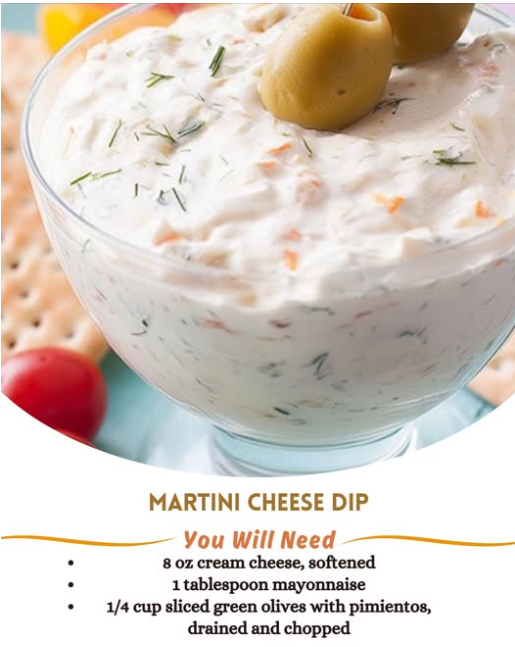
The ingredients for the Martini Cheese Dip are a careful study in contrasts, designed to create a stable, creamy base that perfectly carries the sharp, briny, and alcoholic notes of its namesake cocktail. Each component plays a specific, structural, or flavoring role.
The Dip Foundation:
- 8 oz cream cheese, softened: The bedrock of the dip. Using full-fat cream cheese is crucial for the richness and stability of the spread. It must be **fully softened** to room temperature (at least 1-2 hours) to ensure a smooth, lump-free emulsion when mixed with the liquid components.
- 1 tablespoon mayonnaise: This is a stabilizer and a textural enhancer. Mayonnaise adds a subtle tang and a silkiness that makes the cream cheese easier to spread. It should be a good quality, full-fat mayonnaise for the best structure.
The Martini Flavor Profile:
- 1/4 cup sliced green olives with pimientos, drained and chopped: The savory textural element. The olives provide a sharp, salty bite, and the pimientos add beautiful visual contrast and a hint of sweetness. Draining and coarsely chopping the olives is essential; they should be prominent but not dominate the creamy base.
- 2–3 tablespoons vodka: The spirit of the cocktail. Vodka is critical for both flavor and texture. It acts as a solvent, helping the dip remain smooth, and its flavor provides the necessary “bite” of a martini. Start with 2 tablespoons; use 3 tablespoons if you desire a much stronger, boozier flavor. The alcohol content will not cook out, so the flavor is assertive.
- 2 tablespoons olive juice: The brine, or the “dirty” factor. Olive juice (the liquid drained from the jar of olives, often called *vermouth* in the cocktail world) provides the essential, deep salty brine that defines the dip’s character. This is the ingredient that makes the dip truly addictive and savory.
A Note on Temperature: Ensuring the cream cheese is fully softened before you begin is the only non-negotiable step. Cold cream cheese results in lumpy dip, and no amount of mixing will smooth it out once the cold liquids (vodka and olive juice) are introduced.
The ratio of cream cheese to liquid is carefully calibrated. Too much liquid, and the dip becomes runny; too little, and it remains too stiff. The 4–5 tablespoons of total liquid (vodka + olive juice) are just enough to aerate and loosen the cream cheese/mayo base into a perfect, creamy consistency without risking structural failure.
Instructions: The Emulsification and Integration Process
The process of creating Martini Cheese Dip is straightforward but requires methodical mixing to achieve the smooth, airy texture necessary for a perfect spread.
Step 1: The Creaming of the Base
- Soften and Whip: Place the **8 oz softened cream cheese** and **1 tablespoon mayonnaise** into a medium mixing bowl. Using an electric hand mixer (or a stand mixer with the paddle attachment), beat the mixture on medium speed until it is perfectly smooth, fluffy, and lump-free. This takes about 1–2 minutes and incorporates necessary air.
Step 2: Incorporating the Liquids
- Introduce the Brine: Add the **2 tablespoons of olive juice** and the starting amount of **2 tablespoons of vodka** to the creamed mixture. Beat again on medium-low speed until the liquids are fully incorporated. The mixture will initially look separated or curdled, but continue beating until a smooth, slightly thinner, uniform emulsion is achieved.
- The Taste Check: Stop and taste the dip. If you desire a stronger alcoholic “kick,” add the third tablespoon of vodka and mix briefly until just combined. Note that the flavor will intensify slightly during chilling.
Step 3: Integrating the Solids
- Add Olives: Stir in the **1/4 cup of chopped, drained olives with pimientos**. Use a rubber spatula to fold the olives in gently. This ensures the olive pieces are evenly distributed throughout the dip without crushing them or overmixing the base.
Step 4: The Crucial Chill
- Cover and Chill: Transfer the finished dip into a serving bowl or an airtight container. Cover tightly and refrigerate for a minimum of **4 hours**, but preferably **overnight**. This chill time is non-negotiable; it allows the vodka and olive brine flavors to meld fully into the fat of the cream cheese, and it restores the dip’s stiffness, making it perfectly scoopable and spreadable.
The entire process, excluding the chill time, should take no more than 10 minutes. The key is in the power mixing to create a uniform, fluffy base before the final, gentle folding of the olives.
Serving and Storage: The Perfect Presentation
The Martini Cheese Dip is best served ice-cold, straight from the refrigerator, ensuring both food safety and the best flavor profile. Its savory, salty nature pairs wonderfully with crunchy, mild delivery vehicles.
Serving Suggestions:
- The Ideal Dippers: Serve with plain, sturdy crackers (like water crackers or table water biscuits), vegetable crudités (carrots, celery, bell peppers), or thin-sliced, toasted baguette rounds (crostini). The dippers should be mild so as not to compete with the dip’s bold flavor.
- Garnishing: Presentation should nod to the martini’s elegance. Serve the dip in a clear, shallow bowl and garnish the center with a few whole, skewered green olives (perhaps two or three, evocative of the classic olive garnish) and a light sprinkle of fresh cracked black pepper.
- Temperature Control: If serving at a large party, keep the dip on ice or in a chilled serving platter. This maintains the dip’s texture and keeps the dairy fresh.
Storage Guidelines:
The vodka acts as a minor preservative, but the dairy content means the dip must be treated with care.
- Refrigeration: Store the dip in an airtight container in the refrigerator. It will maintain its quality for **5 to 7 days**.
- Freezing: **Do not freeze** this dip. Dairy-based dips with high-fat content will separate, becoming grainy and watery upon thawing, permanently destroying the smooth texture.
- Re-fluffing: If the dip seems too dense after a few days in the fridge, let it sit out for 15 minutes, then give it a quick whip with a fork to reincorporate air before serving.
Tips: Mastering the Brine and Bite
Expert Tips for Martini Perfection:
- The Chill is Crucial: The 4-hour minimum chill time is mandatory for flavor. The vodka’s flavor needs time to mellow and integrate into the fat. Tasting it immediately after mixing will yield a much sharper, harsher result than tasting it the next day.
- Olive Juice Quality: If your olive juice is extremely salty, consider substituting 1 tablespoon of olive juice with 1 tablespoon of high-quality, chilled dry vermouth. This adds a subtle herbaceous complexity often found in martinis.
- Mixer Choice: For the smoothest possible dip, an electric mixer is highly recommended over hand mixing, especially during the liquid incorporation phase (Step 2). It ensures a true emulsion is formed.
- Serving vessel: If you don’t have a large dip bowl, martini glasses make beautiful individual serving vessels for a particularly sophisticated presentation.
Variations: Customizing the Cocktail Dip
While the core vodka, cream cheese, and olive brine must remain, the textural and herbal elements can be adjusted to create unique spins on the classic martini profile.
The Lemon Twist Dip:
In addition to the core ingredients, add the finely grated zest of half a lemon and **1 teaspoon of fresh lemon juice**. This variation brightens the dip significantly, mirroring the freshness of a lemon-twisted martini.
The Blue Cheese “Dirty” Dip:
Substitute **1 oz (about 2 tablespoons) of the cream cheese** with a high-quality, crumbly **blue cheese** (like Roquefort or Gorgonzola) during the initial creaming stage. This introduces a pungent, savory depth that appeals to blue cheese enthusiasts.
The Mediterranean Herb Dip:
Add **1 teaspoon of finely chopped fresh dill** and **½ teaspoon of dried oregano** to the base along with the olives. This gives the dip a more herbal, savory complexity, making it pair exceptionally well with pita chips and cucumber slices.
The Smoked Salmon Pairing:
For a perfect lox bagel flavor, fold in **2 tablespoons of finely minced smoked salmon** along with the olives. Use chives instead of dill for the garnish. This variation transforms the dip into a rich appetizer suitable for spreading on crostini or small toast points.
Conclusion: The Ultimate Party Emulsion
The Martini Cheese Dip is a testament to the power of ingredient synergy. By successfully emulsifying a rich, dairy base with the potent, acidic, and alcoholic notes of a classic cocktail, we have created an appetizer that is both surprising and highly addictive. We have established that the success of this spread hinges on fully softened cream cheese, precise measurement of the liquids, and, most importantly, the extended chill time required for flavor integration.
This recipe offers an accessible route to sophisticated entertaining, requiring no heat and minimal active preparation. It is a bold, flavorful choice that stands proudly apart from the usual dips. Embrace the brine, respect the cream cheese temperature, and utilize the overnight chill to ensure your Martini Cheese Dip is the perfectly blended, savory, and cool sensation it is meant to be. This appetizer is ready to become the signature dish of your next cocktail hour.
Frequently Asked Questions: Troubleshooting and Clarifications
Q: Can I use gin instead of vodka in the recipe?
A: Yes, you can. Using gin will give the dip a much more pronounced flavor due to the botanicals (juniper) present in gin. This will result in a more herbal, less clean-tasting “dirty martini” profile. Use it in the same quantity (2–3 tablespoons), but be aware the flavor will be significantly stronger.
Q: My dip has small lumps even though I softened the cream cheese. What happened?
A: Lumps occur when the cold liquid (vodka or olive juice) hits the warm cream cheese too quickly, causing the fat to seize before it fully emulsifies. Beat the cream cheese and mayonnaise until extra fluffy, then add the liquids slowly while the mixer is running to ensure a gradual and complete integration.
Q: Why do I need to add mayonnaise if I’m already using cream cheese?
A: The mayonnaise serves two purposes: it adds a subtle tang that complements the brine, and more importantly, it helps stabilize the emulsion, providing a smoother, lighter texture that is easier to spread than pure cream cheese alone.
Q: Should I use Spanish olives (Manzanilla) or Castelvetrano olives?
A: Manzanilla (Spanish) olives with pimientos are the classic choice because their sharp, salty brine is the definitive flavor of a dirty martini. Castelvetrano olives are milder and buttery, which won’t deliver the required savory punch for this particular dip.
ADVERTISEMENT