
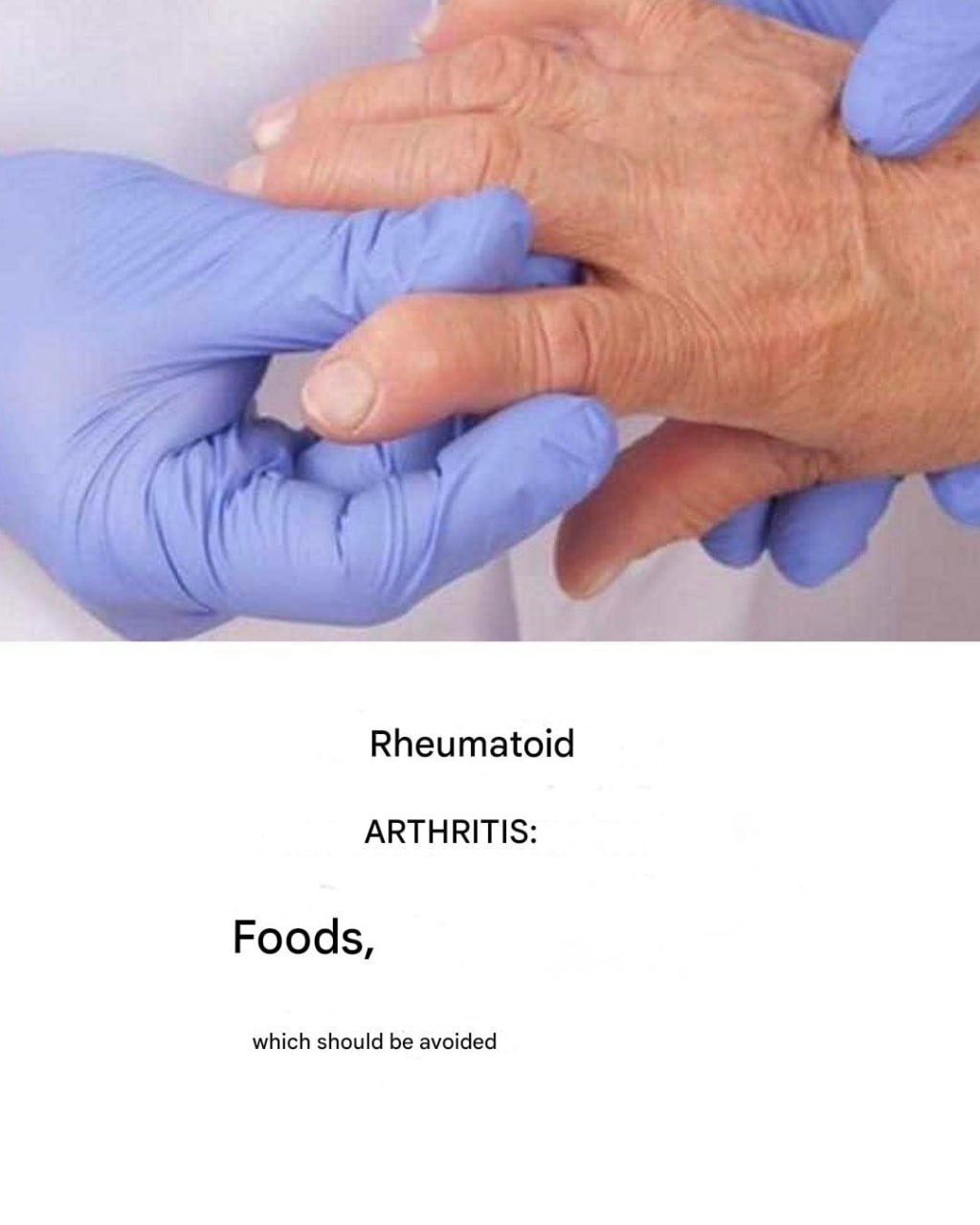
Clothing: Opt for loose-fitting clothes, zippers with rings, and shoes without laces to simplify dressing.
The Psychological Challenge: Accepting Change
Accepting that your body no longer functions as it once did is a significant emotional hurdle. The fluctuations between flares and remissions can lead to feelings of instability and loss.
It’s normal to experience phases of anger or depression. Seeking support from a psychologist or joining a support group can be just as crucial as medication.
Advice for those around you: Instead of asking, “Are you feeling better?” which implies a possibility of cure, try asking, “How are you feeling today?” Offer practical help, like asking, “I’ll do the grocery shopping; what should I get you?” This approach is often more supportive than a vague offer of assistance.
Living with rheumatoid arthritis requires constant adaptation and resilience. Remember, you are not alone in this journey. With current treatments, many individuals can regain a fulfilling quality of life despite the challenges RA presents. Embracing support and understanding can make a significant difference in navigating this complex condition.
Related posts:
 10 Early Signs of Dementia You Should Never Ignore
 Understanding Metoprolol: Common Side Effects and Management Tips
 Uncovering 14 Undiscussed Symptoms and the Science of Hormonal Transition
 Understanding Proteinuria: The Role of Vitamins in Kidney Health
 Understanding Nerve Concerns in Your Toes: Signs and Solutions
 Understanding Metoprolol: Managing Side Effects for Better Heart Health
