
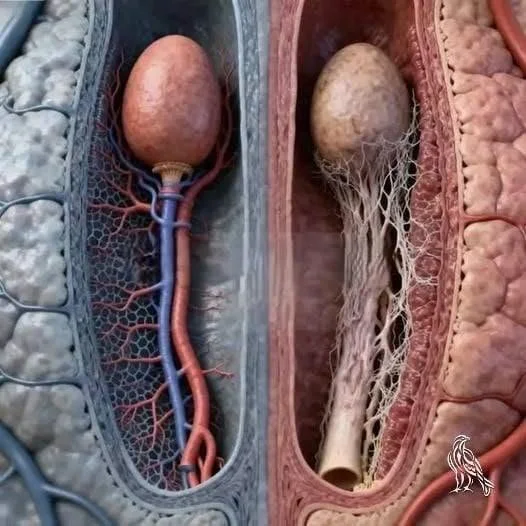
The Silent Nature of Kidney Disease
One of the greatest challenges with kidney disease is that symptoms often do not appear until significant damage has already occurred.
Many people with early-stage kidney disease experience no noticeable symptoms at all.
As the condition progresses, possible warning signs may include:
- Persistent fatigue
- Swelling in the feet, ankles, or hands
- Changes in urination
- Difficulty concentrating
- High blood pressure
- Shortness of breath
- Muscle cramps
- Nausea or loss of appetite
Because these symptoms can be linked to many different conditions, kidney disease is often overlooked until medical testing uncovers the problem.
Common Risk Factors That Can Damage the Kidneys
Several everyday health issues can gradually increase the risk of chronic kidney disease.
High Blood Pressure
High blood pressure is one of the leading causes of kidney damage. Over time, increased pressure can weaken and damage the tiny blood vessels that help the kidneys filter waste.
Diabetes
Elevated blood sugar levels can harm the kidneys’ filtering system, making diabetes one of the most significant risk factors for kidney disease.
Dehydration
Consistently failing to drink enough water can place additional stress on the kidneys and reduce their ability to function efficiently.
Smoking
Smoking affects blood flow throughout the body, including the kidneys, increasing the risk of kidney disease and other serious health conditions.
Poor Diet
Diets high in sodium, processed foods, and added sugars can contribute to high blood pressure, obesity, and diabetes—all of which increase kidney disease risk.
Overuse of Certain Medications
Frequent or excessive use of some pain relievers and medications can place additional strain on the kidneys, especially when used for long periods without medical supervision.
The Good News: Many Kidney Problems Are Preventable
Although kidney disease can be serious, many risk factors can be managed through healthy lifestyle choices.
Simple habits practiced consistently over time can help protect kidney function and support long-term wellness.
Stay Hydrated
Drinking adequate water helps the kidneys remove waste products and maintain healthy function.
Eat a Balanced Diet
Focus on fruits, vegetables, whole grains, lean proteins, and foods that support heart health while limiting excess salt and heavily processed foods.
Stay Physically Active
Regular exercise helps maintain healthy blood pressure, blood sugar levels, and body weight.
Monitor Blood Pressure and Blood Sugar
Managing these two factors is among the most effective ways to reduce the risk of kidney disease.
Avoid Smoking
Quitting smoking can improve overall circulation and reduce the risk of kidney and cardiovascular disease.
Use Medications Responsibly
Always follow dosage instructions and speak with a healthcare professional about long-term medication use.
Protecting Your Kidneys Starts Today
Kidney disease may be known as a silent condition, but that doesn’t mean it is unavoidable.
The choices made every day—staying hydrated, eating well, exercising regularly, and monitoring important health markers—can play a major role in protecting these vital organs.
Your kidneys work tirelessly to keep your body functioning properly.
Taking care of them today may help preserve your health, energy, and quality of life for years to come.
Related posts:
 12 Subtle Signs Your Kidneys May Need Attention
 Understanding Chronic Kidney Disease: Recognizing the Signs and Taking Action
 Protecting Your Kidneys: A Guide to Common Medications and Their Risks
 Medications That Can Harm Your Kidney Health: A Comprehensive Guide
 Why Eating More of This Meat Could Be Putting You in Danger
 Understanding Proteinuria: The Role of Vitamins in Kidney Health
