
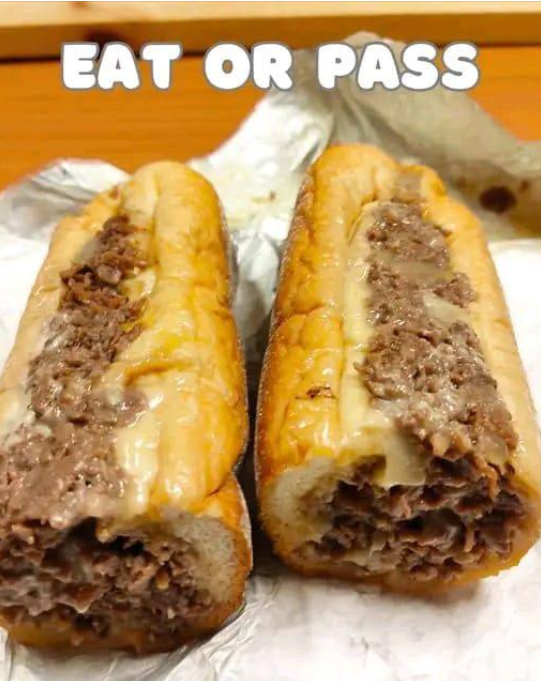
Authentic cheesesteaks are made on a flat-top grill, but a large cast-iron skillet is the perfect home substitute. Follow this workflow for a pro-level result:
- The Onion Prep: Heat 1 tablespoon of oil over medium-high heat. Sauté the onions until they are soft and golden-brown (caramelized but not burnt). Push them to the “cool side” of the pan or remove them temporarily.
- The Shaved Beef: Increase the heat to high. Add the remaining oil. Place the paper-thin steak slices in the pan. Do not crowd them! Let them sear for 30 seconds, then use two spatulas to aggressively “chop” and pull the meat apart as it browns.
- The Integration: Once the meat is almost fully browned (about 2 minutes), season with salt and pepper. Mix the onions back into the meat pile.
- The Cheese Blanket: Shape the meat/onion mixture into a long rectangle roughly the size of your hoagie roll. Lay your cheese slices over the top. If using Whiz, drizzle it generously now.
- The Steam: Slice your roll open (but not all the way through) and place it face-down directly on top of the cheese-covered meat. This allows the steam from the beef to soften the bread while the cheese melts into the crevices of the steak.
- The Flip: After 60 seconds, slide a long spatula under the meat and “flip” the entire assembly over so the meat settles into the roll.
Serving and Storage: The Immediate Indulgence
How to Serve
A Philly Cheesesteak waits for no one. Serve it immediately, wrapped halfway in parchment paper or foil to help trap the heat and soften the crust even further. Common sides include crab fries (fries with Old Bay seasoning) or a simple side of hot cherry peppers for those who want a vinegary kick.
Storage Limitations
Because of the bread’s tendency to soak up grease and become soggy, this sandwich does not store well. If you must have leftovers, store the meat and onion mixture separately in an airtight container for up to 2 days. Reheat the meat in a pan before placing it on a fresh roll; never microwave the assembled sandwich.
Tips: Secrets of the Steakhouse
- The Freeze Trick: If you try to slice raw, room-temperature ribeye, it will be slippery and thick. Freezing it until it is firm but not solid allows you to shave it into translucent, professional-grade ribbons.
- Don’t Be Afraid of Fat: Do not trim the fat off the ribeye. That fat renders down on the griddle and is what provides the signature flavor and “juice” that characterizes a real Philly steak.
Variations: Beyond the Traditionalist
While purists might scoff, these variations are popular staples in many sandwich shops:
- The Cheesesteak Hoagie: Add cold lettuce, sliced raw tomatoes, and a dash of dried oregano after the meat is in the roll.
- The Pizza Steak: Use provolone cheese and top the meat with warm marinara sauce before flipping it into the roll.
- The Chicken Cheesesteak: Swap the ribeye for thinly shaved chicken breast or thigh. Use American cheese and perhaps a dash of hot sauce for the best results.
Tips: Ordering and Flavor Etiquette
In Philadelphia, the “lingo” is part of the flavor. Understanding the terminology helps you customize your home sandwich.
“‘Whiz Wit’ means Cheez Whiz with fried onions. ‘Provolone Without’ means provolone cheese without onions. Knowing your preference for onions is the first step to cheesesteak mastery.”
Conclusion: A Labor of Love
The Philly Cheesesteak is a testament to the fact that great food doesn’t have to be complicated—it just has to be done right. By focusing on the thinness of the ribeye, the caramelization of the onions, and the melting of the cheese, you can transport your kitchen to the corner of 9th and Passyunk. It is a messy, indulgent, and deeply satisfying sandwich that represents the heart of American street food. So, fire up your skillet, grab your spatulas, and get ready to join the long tradition of cheesesteak excellence.
Frequently Asked Questions
Can I use a different cut of beef?
You can use Top Round or Flank Steak if you are on a budget, but you must slice it even thinner and perhaps add a bit of extra butter to the pan to compensate for the lower fat content compared to ribeye.
Are green peppers traditional?
In Philadelphia, green peppers are actually considered an “extra” and are not part of the standard authentic steak. However, they are a delicious addition if you prefer a “California-style” or “Western” cheesesteak.
What is the best way to chop the meat?
Use two metal spatulas. As the meat hits the heat, use the edges of the spatulas to “cross-cut” the beef directly in the pan. This creates more surface area for the cheese to cling to.
Related posts:
 The Ultimate Philly Steak Cheese Fries
 The Ultimate Comfort Meal: Warm Church-Supper Philly Cheese Steak Casserole
 The Lazy Slow Cooker Chicken Cheesesteak Sandwich
 Philly Cheesesteak Egg Rolls: The Ultimate Game Day Fusion
 Philly Cheesesteak Cheesy Bread: A Savory Masterpiece
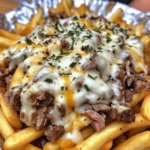 Philly Steak & Cheese Loaded Fries
