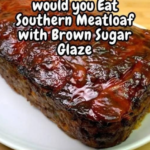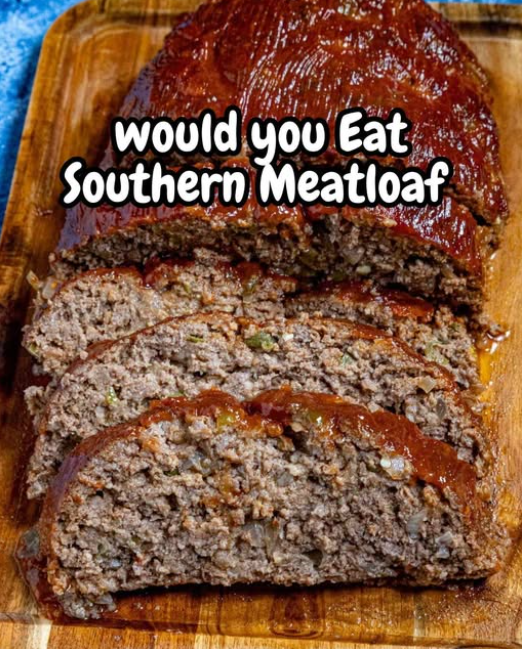
Step 1: The Low-Shear Integration
Preheat the oven to 350°F (175°C). In a large vessel, combine all base ingredients. Regulation: Do not overmix. Over-working the meat develops myosin, the protein responsible for the tough, rubbery texture of sausages. You want a heterogeneous blend where the fats and binders are evenly dispersed but the muscle fibers remain relatively intact.
Step 2: Structural Formation
Shape the mixture into a loaf. If using a flat baking sheet, you increase the surface-area-to-volume ratio, which maximizes the area available for crust development. If using a loaf pan, you optimize for vertical moisture retention, as the meat is “basted” in its own rendered juices.
Step 3: Initial Thermal Setting and Glaze Phase I
Apply 50% of the ketchup-sugar-mustard glaze. Bake for 45 minutes. During this phase, the internal temperature rises, causing the eggs to coagulate and the breadcrumbs to fully hydrate with rendered beef fat. The initial layer of glaze begins to dehydrate, concentrating its sugars into a tacky, protective skin.
Step 4: The Final Reduction and Caramelization
Apply the remaining glaze. Return to the oven for 15–20 minutes. This second layer undergoes Rapid Thermal Reduction, creating a deep, caramelized finish that provides a sweet-and-tangy contrast to the savory interior. The internal temperature should reach 160°F (71°C).
Serving and Storage: The Stabilization Phase
Serving: The most critical step is the 10-minute rest. During this time, the Intracellular Pressure within the loaf stabilizes. If sliced immediately, the steam and liquid fats will flee the protein matrix, leaving the meat dry. Resting allows the juices to be re-absorbed by the starch scaffold.
Storage: Meatloaf is a prime candidate for Flavor Maturation. Store in an airtight container for up to 4 days. As the loaf cools, the gelatin and fats solidify, locking the aromatics in place. Reheating is best done via conductive heat (a skillet) or a low-temperature oven to avoid “rubberizing” the proteins in a microwave.
Tips: Pro-Level Southern Nuances
- The “Saltine” Secret: Using crushed saltine crackers instead of standard breadcrumbs introduces ionic salinity and a slightly lighter, fluffier texture to the starch matrix.
- The Meat Mallet: If your ground beef is very “stringy,” gently break it apart before mixing to ensure a more consistent shear strength across the loaf.
- Glaze Thickness: If your glaze is too thin, it will run off. If it is too thick, it won’t spread. Aim for the viscosity of heavy honey before applying.
Variations: Iterative Design Adjustments
| Variation | Modification | Resulting Impact |
|---|---|---|
| Smoky BBQ Loaf | Swap ketchup for BBQ sauce; add 1/2 tsp liquid smoke. | Enhanced Phenolic Depth mimicking outdoor pits. |
| Garden Southern | Add 1/2 cup finely grated carrots and celery. | Increased Polysaccharide Hydration and sweetness. |
| Spicy Glaze | Add 1 tsp of Cayenne pepper to the glaze mix. | Introduction of Capsaicin Heat to cut through lipids. |
Tips: Structural Integrity and Moisture
Conclusion: A Triumph of Time and Temperature
The Southern Meatloaf is a masterclass in Material Science applied to the domestic kitchen. By respecting the delicate balance between protein structure and starch absorption, you create a dish that transcends its humble origins. It is a meal defined by its thermal stability and its ability to provide visceral satisfaction. On this Saturday, December 27, 2025, use these regulations to engineer a supper that isn’t just filling—it’s a perfectly executed slice of Southern comfort.
Frequently Asked Questions
- Why is my meatloaf “falling apart”?
- This is Structural Failure. It typically results from a lack of binder (too few eggs) or an excess of moisture (too much milk/onion juice). Ensure your loaf feels tacky and solid before it enters the oven.
- Can I use 90/10 lean beef?
- You can, but you risk Lipid Depletion. Lean beef will produce a significantly drier result. If using lean beef, consider adding a tablespoon of olive oil or butter to the mix to compensate.
- Is a loaf pan or a sheet pan better?
- A loaf pan is better for structural support and moisture retention. A sheet pan is better for surface caramelization as the heat can reach the sides of the loaf.
Would you like me to suggest a “Buttermilk Mashed Potato” recipe to pair with this, or perhaps show you how to turn these ingredients into “Meatloaf Sliders”?