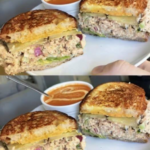
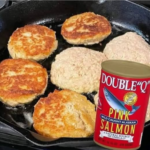
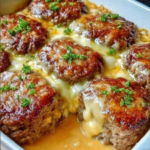
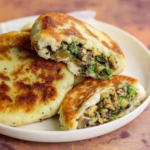
Precision in the assembly phase is what separates a soggy tuna cake from a professional-grade patty. Follow these instructions to ensure structural success.
1. Homogenization of the Slurry
In a large bowl, combine all ingredients except the frying butter. Mix with a spatula until every tuna flake is coated in the egg-mayo emulsion. The “Surface Coating” Theory: Ensuring every dry surface is covered in binder allows for uniform heat distribution later. Over-mixing can break the tuna flakes into a paste; you want small aggregates for better texture.
2. Mechanical Compression and Forming
Divide the mixture and press firmly into discs. The “Compaction” Secret: Compression is vital. By forcing out air pockets, you increase surface-to-surface contact between the tuna and the binders.
Letting the shaped patties rest in the refrigerator for 15 minutes can allow the breadcrumbs to fully hydrate, significantly increasing the patty’s tensile strength.
3. Thermal Searing (The Maillard Phase)
Heat butter or oil in a skillet over medium heat. Place the patties in the pan and avoid moving them for the first 3 minutes. The “Surface Dehydration” Physics: You are waiting for the Maillard Reaction—the chemical reaction between amino acids and reducing sugars that gives the patty its golden crust and savory aroma.
If you flip too early, the molecular bonds between the patty and the crust haven’t set, leading to breakage.
4. The Phase Transition (Melting)
Flip the patties. If adding extra cheese, place it on top now. Convection and Steam: Cover the pan for the final minute. The lid traps steam, which transfers heat via convection more efficiently than air alone, ensuring the cheese reaches its melting point without overcooking the bottom of the patty.
Service and Storage Tips
- Service: To maintain textural contrast, serve on toasted buns. The toasted surface prevents the moisture from the patty and sliced tomatoes from migrating into the bread (preventing the dreaded “soggy bun” syndrome).
- Storage: Store cooked patties in an airtight container for up to 3 days. Thermal Recovery: When reheating, avoid the microwave if you want to preserve the crust. Instead, use a dry skillet or an air fryer to re-dehydrate the surface.
- Freezing: You can freeze raw, shaped patties. Place them on a tray with parchment paper until solid, then bag them. Cryogenic Preservation: This stops the enzymatic breakdown of the fish, keeping them fresh for up to a month.
Variants: Iterative Design Adjustments
| Variant Name | Modification | Resulting Impact |
|---|---|---|
| Tuscan Herb | Swap Cheddar for Mozzarella; add dried oregano and sundried tomatoes. | Higher moisture content and a more elastic “cheese pull.” |
| Fiery Southwest | Add diced jalapeños and use Pepper Jack cheese. | Increased capsaicin levels and thermal heat. |
| Keto-Shield | Replace breadcrumbs with crushed pork rinds or almond flour. | Lower carbohydrate count and increased lipid density. |
Tips: Pro-Level Nuances
- The “Lid” Trick: If your patties are thick, covering the pan while cooking the second side ensures the internal temperature reaches the safe zone of 160°F (71°C) to fully set the egg binder.
- Panko vs. Regular: Use Panko for a lighter, “spikier” crunch. Surface Area Science: Panko flakes have more surface area, allowing for more oil contact and better browning.
- The Lemon Factor: Don’t skip the lemon juice. It’s not just for flavor; the acidity denatures the small amount of remaining liquid proteins in the tuna, helping them to “firm up” during mixing.
Conclusion: A Triumph of Texture and Simplicity
The Tuna Melt Patty is a masterpiece of culinary consolidation. By taking the humble canned tuna and applying the principles of binders, emulsions, and high-heat searing, we create a dish that is far greater than the sum of its parts. It honors the classic flavor profile of the tuna melt while providing a more versatile, structurally sound format. On this December 26, 2025, enjoy the perfectly executed results of protein engineering. Whether served as a burger or as a standalone protein, these patties represent the gold standard of pantry-to-plate cooking. Happy dining!
Frequently Asked Questions
- Can I use fresh tuna instead of canned?
- You can, but you must finely mince it. Fresh tuna has intact muscle fibers, so it will actually bind better than canned, but the texture will be closer to a steak burger than a traditional tuna melt.
- Why did my patties fall apart in the pan?
- This is usually due to excess moisture. If the tuna wasn’t drained well, or if you used too much lemon juice/mayo, the breadcrumbs became a mush rather than a scaffold. Add more breadcrumbs if the mixture feels wet.
- What’s the best oil for frying?
- Use an oil with a high smoke point, like canola or avocado oil. Butter tastes best but can burn quickly; a 50/50 mix of butter and oil is the professional compromise for flavor and stability.