- The Bloom: In a large bowl, whisk your warm water and sugar together. Sprinkle the yeast on top. Even with instant yeast, letting it sit for 5 minutes until frothy ensures your loaf will be airy.
- The Integration: Stir in the melted butter and salt. Add the flour one cup at a time. By the fourth cup, the dough should be shaggy and pull away from the sides of the bowl.
- The Knead: Turn the dough onto a floured surface. Knead for 8-10 minutes. This “regulates” the air pockets. The dough is ready when it is smooth, elastic, and passes the “poke test” (it springs back when touched).
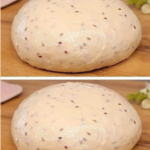
- The First Rise: Place the dough in a lightly oiled bowl. Cover with a damp cloth and let it rest in a warm, draft-free spot for about 1 to 1.5 hours, or until doubled in size.
- The Shaping: Gently punch down the dough to release excess gas. Shape it into a tight log and place it in a greased 9×5 inch loaf pan.
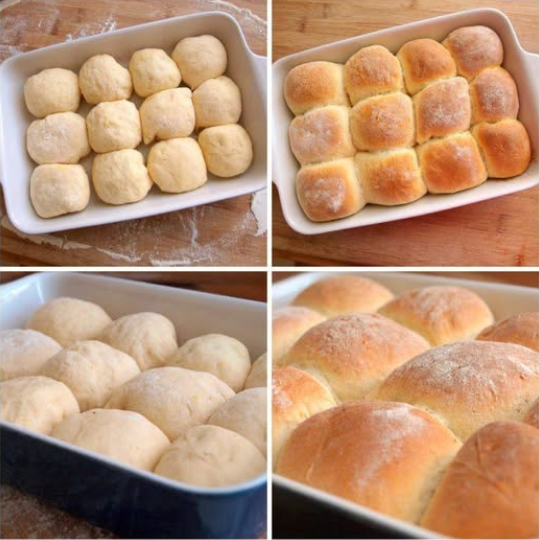
- The Second Rise: Let the loaf rise again in the pan for 30-45 minutes. This is where it gains its chef’s kiss volume.
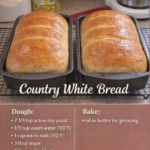
- The Bake: Bake at 350°F (175°C) for 30-35 minutes. The top should be a deep golden brown, and the bottom should sound hollow when tapped.
Serving and Storage: Preserving the Magic
Once removed from the oven, brush the top immediately with extra butter. This keeps the crust soft and adds an irresistible sheen.
- Serving: Resist the urge to cut it immediately! Let it cool for at least 20 minutes so the internal steam settles, ensuring a clean slice.
- Storage: Store in a paper bag at room temperature for up to 3 days. For longer storage, slice the bread and freeze it in a Ziploc bag. It toasts beautifully straight from the freezer.
Tips: Temperature and Environment
The biggest “regulation” in bread making is temperature. If your house is cold, your bread won’t rise. A great weeknight rescue tip is to turn your oven on for 60 seconds, then turn it off and place your dough inside. This creates a warm “proving drawer” effect. Also, always use a thermometer for your water—guessing at 110°F is a common pitfall.
Variations: Making the Recipe Your Own
While the classic white loaf is soooo good, you can adapt it for different occasions:
- Cinnamon Swirl: Roll the dough flat, sprinkle with cinnamon sugar, and roll it back up before the second rise.
- Honey Amish Bread: Replace the 2 tablespoons of sugar with 3 tablespoons of honey for a deeper, floral sweetness.
- Herb & Garlic: Incorporate 1 teaspoon of garlic powder and 1 tablespoon of dried rosemary into the flour mix.
Tips: Handling the Dough
If the dough feels too sticky, resist the urge to dump in cups of extra flour. Add flour one tablespoon at a time. Over-flouring results in a dense, heavy loaf rather than the chef’s kiss fluffiness we want. A slightly tacky dough often results in the best rise.
Conclusion: A Loaf Worth Sharing
Amish White Bread is a reminder that the best things in life take time and care. Whether you are making sandwiches for school lunches or serving thick slices with a hearty stew, this bread brings an air of authenticity to your table. It’s soooo good, simple to master, and serves as a weeknight rescue for any hungry family. Give this recipe a try, and you’ll never look at store-bought bread the same way again.
Frequently Asked Questions
- Can I use bread flour instead? Yes, it will result in a slightly chewier texture and a taller rise due to the higher protein content.
- Why didn’t my bread rise? Your yeast might be expired, or your water was likely too hot (killing the yeast) or too cold (not activating it).
- Can I make this in a bread machine? Absolutely! Add the liquid ingredients first, then the dry, and set it to the “Basic White” or “Dough” cycle.