
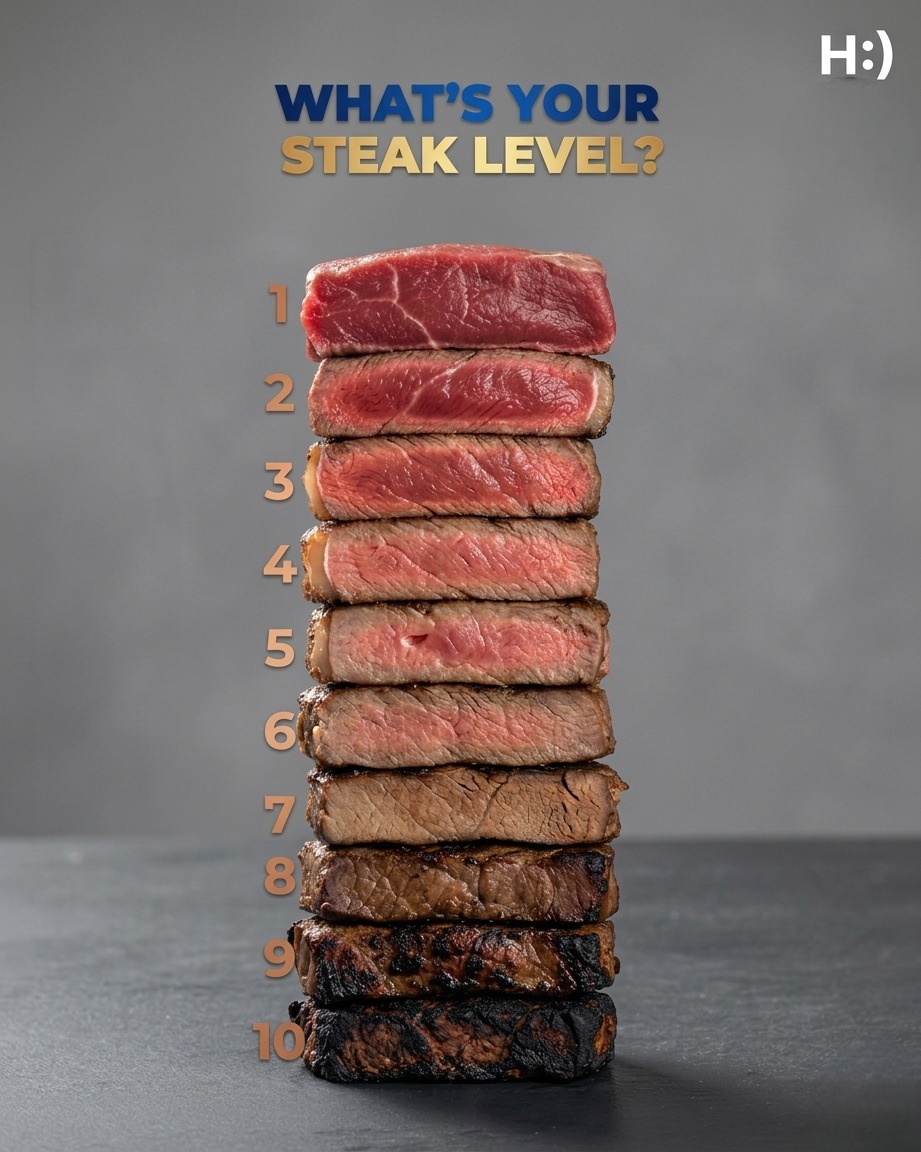
The Impact of Cut on Steak Perfection
Beyond doneness, the type of cut significantly influences the perception of the perfect steak. Each cut possesses unique characteristics, texture, fat content, and flavor profile, which interact with the chosen cooking level in fascinating ways. For instance, a ribeye, known for its generous marbling, retains juiciness even when cooked closer to medium, making it a favorite among steak enthusiasts who appreciate a balance of flavor and tenderness.
Conversely, a filet mignon, prized for its soft texture, is best enjoyed at rare or medium-rare doneness to prevent drying out. Cuts like striploin or sirloin offer a firmer bite, appealing to those who prefer medium to medium-well steaks, where the meat’s texture becomes more pronounced. Even flank or skirt steaks, often used for grilling, respond differently to heat, emphasizing the importance of both cooking method and intended doneness.
Cultural Influences on Steak Preferences
Cultural and regional factors add layers of tradition and expectation to the steak conversation. In the United States, medium-rare is often celebrated as the standard for steak perfection, particularly in fine dining settings. In contrast, European and Asian countries may prefer medium to medium-well, reflecting a taste for firmer textures and fully cooked meat.
In Australia and South America, where grilling is a social staple, steak doneness is influenced by communal cooking practices, emphasizing uniformity across multiple cuts. Personal backgrounds and family traditions also shape preferences; someone raised on smoky, charred steaks may lean towards medium-well, while another who enjoyed tender, lightly cooked beef might favor medium-rare.
Social perceptions further complicate the matter: ordering a rare steak in certain restaurants may signal sophistication, while opting for well-done could be seen as conventional. Thus, steak doneness becomes a form of self-expression, intertwining identity, taste, and social signaling.
