
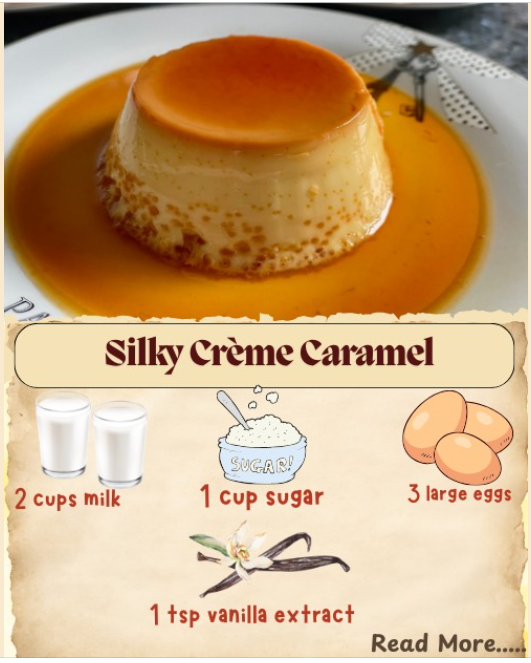
Step 1: Create the Liquid Gold
In a heavy-bottomed saucepan over medium heat, melt 1 cup of sugar. Do not stir; instead, swirl the pan occasionally as the sugar melts and turns a deep amber color. Immediately pour the hot caramel into four 6-ounce ramekins (or one large flan dish), tilting them to coat the bottom evenly. Let the caramel cool and harden.
Step 2: Prepare the Custard
Preheat your oven to 325°F (160°C). In a medium saucepan, heat the milk over medium heat until it just begins to steam (do not boil). In a separate bowl, whisk the eggs, 1/2 cup sugar, vanilla, and salt. Slowly pour the warm milk into the egg mixture in a thin stream, whisking constantly to prevent the eggs from scrambling.
Step 3: Strain for Silkiness
Pro Tip: Pour the custard mixture through a fine-mesh sieve into a clean pitcher. This removes any air bubbles or small bits of egg, ensuring the “silky” texture that gives this dish its name. Pour the strained custard into the caramel-lined ramekins.
Step 4: The Bain-Marie (Water Bath)
Place the ramekins in a large baking dish. Pour hot water into the baking dish until it reaches halfway up the sides of the ramekins. This gentle steam heat protects the delicate eggs from curdling.
Step 5: Bake and Chill
Bake for 35–45 minutes until the centers are just set but still have a slight jiggle. Remove from the water bath and let cool to room temperature. Refrigerate for at least 4 hours—or overnight—to allow the caramel to liquefy into a sauce.
Serving and Storage
Serving: To unmold, run a thin knife around the edge of the ramekin. Place a dessert plate on top, flip it over quickly, and give it a firm shake. The custard will drop out, and the liquid caramel will cascade down the sides.
Storage: Keep refrigerated in an airtight container for up to 3 days. Do not unmold until you are ready to serve to keep the custard firm and fresh.
Tips: Temperature Control
- Avoid Bubbles: When whisking the eggs and milk, do it gently. Incorporating too much air will result in a “spongy” texture rather than a smooth, silky one.
- Don’t Overbake: If the custard starts to rise or “puff” like a soufflé, it is getting too hot. Lower the oven temperature immediately.
Variations: Flavors of France
- Orange Blossom: Replace the vanilla with 1/2 tsp of orange blossom water for a floral, Mediterranean twist.
- Coffee Caramel: Add 1 tsp of instant espresso powder to the milk as it heats for a rich mocha-flavored custard.
- Salted Caramel: Sprinkle a few flakes of Maldon sea salt into the ramekins after pouring the liquid caramel for a modern salty-sweet finish.
Conclusion: A Timeless Masterpiece
Crème Caramel remains one of the world’s most beloved desserts because it achieves a level of sophistication through minimal effort. It is the perfect finale to a heavy meal—light, refreshing, and visually stunning. By mastering the art of the caramel melt and the gentle water bath, you bring a piece of French culinary history into your home. It’s more than a custard; it’s a delicate balance of heat and time that results in pure, sugary bliss.
Frequently Asked Questions
- Why didn’t my caramel turn into sauce?
- This usually happens if the custard hasn’t chilled long enough. The moisture from the custard needs several hours to dissolve the hard sugar base back into a liquid.
- Can I use low-fat milk?
- While you can, the custard will be much thinner and more prone to breaking. Whole milk (or even a mix of milk and heavy cream) is essential for that signature velvet mouthfeel.
- What if my caramel burns?
- Caramel turns from perfect to burnt in seconds. If it smells acrid or looks black, discard it and start over. A deep “penny-copper” color is your target.
Would you like me to show you how to scale this for a large 9-inch cake pan, or perhaps provide a recipe for a dairy-free coconut milk version?
Related posts:
 The Best Banana Pudding Ever: A Classic Dessert with a Creamy Twist
 Mastering Cream Puffs with Vanilla Custard
 Mastering Creme Egg Stuffed Cookies
 Milktart Cookie Cups—Irresistibly Creamy and Homemade Delights
 The Ultimate Guide to 5-Minute Lemon Vanilla Custard Pudding
 3-Ingredient No-Bake Biscuit Pudding: Effortless Elegance
