
Combine the warm milk, sugar, and yeast. Allow 5–10 minutes for Foam Initiation. This phase confirms the viability of the yeast. If no foam occurs, the “biological engine” of the rolls will fail, and the dough will not achieve the required density reduction.
Phase 2: Polysaccharide Integration
Whisk in the mashed banana, melted butter, and egg. Gradually incorporate the flour. During this stage, the Mechanical Shear of mixing aligns the glutenin and gliadin proteins. However, the banana fibers act as physical barriers to gluten development; therefore, a longer knead time (8–10 minutes) is required compared to standard rolls.
Phase 3: The Primary Fermentation Cycle
Place the dough in a lightly oiled vessel and allow for Bulk Fermentation until doubled in size (approx. 60–90 minutes). During this time, the yeast consumes the sugars, releasing carbon dioxide and alcohol, which “inflates” the protein matrix and develops complex flavor volatiles.
Phase 4: Laminate Assembly & The Secondary Proof
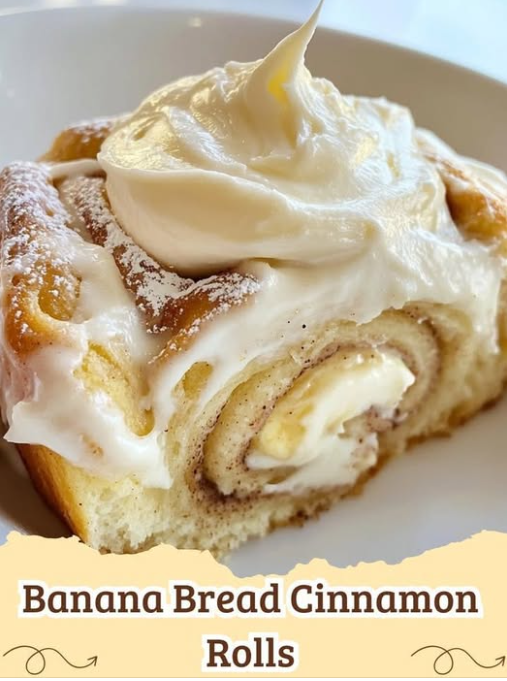
Roll the dough into a 12×18-inch rectangle. Apply the butter and cinnamon-sugar mixture. Roll tightly into a cylinder and cut into 12 equal disks. The Secondary Proof (30–45 minutes) is vital for structural recovery after the mechanical stress of rolling and cutting.
Serving and Storage: The Cold-Chain Standard
Due to the high moisture content from the banana solids, these rolls are highly susceptible to Starch Retrogradation (staling) if left exposed. Proper sealing is essential for maintaining the “pillowy” texture.
| Storage Condition | Texture Observation | Stability Limit |
|---|---|---|
| Ambient (70°F) | Soft, moist crumb; glossy frosting. | 24 Hours. |
| Refrigerated (40°F) | Firm texture due to lipid solidification. | 4 Days. |
| Frozen (0°F) | Locked moisture; requires thermal revival. | 1 Month. |
Tips: Optimizing the Crumb Architecture
The Banana Ripeness Rule: Only use bananas that show significant Enzymatic Browning (black spots). These bananas have undergone the conversion of starches into simple sugars (fructose and glucose), which provides the necessary sweetness and ensures the banana solids don’t create “gummy” pockets in the dough.
- The Temperature Buffer: Ensure your egg and banana mash are at room temperature. Cold inclusions can shock the yeast, significantly slowing down the fermentation rate.
- The Flour Gradient: Avoid adding all the flour at once. The moisture in bananas varies by fruit; add flour until the dough just clears the sides of the bowl but remains slightly “tacky” to the touch.
Variations: Customizing the Sensory Profile
- The Walnut Crunch: Add ½ cup of toasted, chopped walnuts to the filling. The Polyunsaturated Fats in the nuts provide a textural contrast to the soft dough.
- The Maple Upgrade: Replace the milk in the frosting with maple syrup to enhance the “breakfast” aromatic profile.
- The Whole Wheat Shift: Replace 1 cup of AP flour with Whole Wheat flour. This increases the Fiber Density but requires an extra 2 tbsp of milk to compensate for the higher absorption.
Tips: Thermal Revitalization
To restore the original Viscoelastic State of a stored roll, utilize a “Moist-Heat Reheat” protocol. Microwave for 15 seconds with a small cup of water placed alongside the roll. The steam helps re-hydrate the starch granules, making the bun feel as though it was just removed from the oven.
Conclusion: The Triumph of the Hybrid
The Banana Bread Cinnamon Roll is more than a dessert; it is a successful Structural Emulsion. By leveraging the natural sugars and fibers of the banana while maintaining the integrity of a yeast-leavened dough, you create a pastry with superior depth. Master the fermentation and the moisture balance, and you master the morning. Enjoy the golden, cinnamon-infused results!
Frequently Asked Questions:
Q: Why did my rolls turn out dense and “bready”?
A: This is usually a result of Over-Flouring. If the dough is too dry, the yeast cannot expand the gluten network effectively. Always stop adding flour when the dough is still slightly sticky.
Q: Can I use instant yeast instead of active dry?
A: Yes. For Instant Yeast, you can skip the blooming phase and mix the yeast directly into the dry ingredients. However, ensure your milk is still warm to promote rapid activation.
Q: My bananas aren’t ripe enough. Is there a workaround?
A: You can “Flash-Ripen” bananas by baking them in their skins at 300°F (150°C) for 15 minutes until black. This breaks down the starches into sugars, mimicking the natural ripening process.
Would you like me to create a “5-Step Overnight Prep Guide” for these rolls, or perhaps provide a recipe for a “Caramelized Banana Topping” to take them to the next level?
Related posts:
 Mastering Chick-fil-A Style Banana Pudding
 The Ultimate Guide to Soft and Fluffy Cinnamon
 The Ultimate Guide to Banana Bread Cake with Cream Cheese Frosting
 The Best Banana Pudding Ever: A Classic Dessert with a Creamy Twist
 Homemade Banana Pudding Cheesecake
 The Golden Griddle PB&B: Elevating a Culinary Icon
