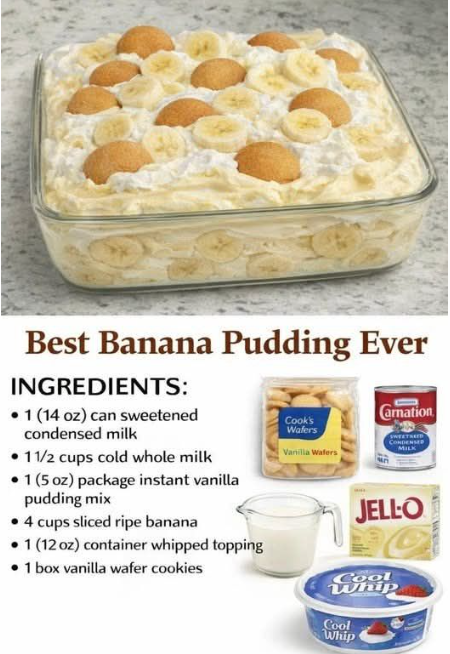
Step 1: Emulsifying the Lipid Phase
In a large mixing vessel, beat the softened cream cheese and sweetened condensed milk until Homogenized. Regulation: If the cream cheese is too cold, the lipids will clump, creating “micro-lumps” that cannot be removed once the aqueous milk is added.
Step 2: Hydrating the Starch Matrix
In a separate vessel, whisk the cold milk and instant pudding mix for 2 minutes. Let it stand for 5 minutes. This allows for Full Hydration. Then, gently fold the pudding into the cream cheese mixture until the two phases are unified.
Step 3: Integrating the Gas Phase
Fold in half of the whipped topping. This step is critical for Volume Management. You are introducing air into the dense pudding base to create a mousse-like texture. Reserve the remaining half for the final decorative layer.
Step 4: Laminar Assembly (The Build)
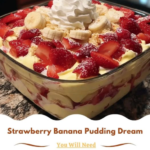
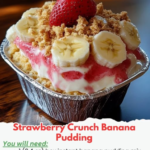
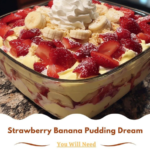
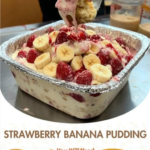
In a large glass bowl or 13×9 dish, begin the Layering Protocol:
- Base Layer: A single layer of vanilla wafers (Structural Foundation).
- Fruit Layer: A layer of sliced bananas (Flavor Reservoir).
- Pudding Layer: Half of the pudding mixture (The Binding Matrix).
- Repeat: Another layer of wafers, bananas, and the remaining pudding.
- Top Layer: Spread the remaining whipped topping and garnish with crushed wafers.
The Science of “The Soak”
Storage: Managing Enzymatic Browning
Oxidation Control: Bananas brown when exposed to oxygen due to Polyphenol Oxidase. To prevent this, ensure the bananas are fully submerged or “sealed” within the pudding layers. The pudding acts as an Oxygen Barrier, preserving the fruit’s color.
Shelf Life: This pudding reaches peak Palatability Equilibrium at 24 hours. Beyond 48 hours, the wafers lose all structural integrity and the bananas may begin to release excess water (syneresis).
Variations: Iterative Design Adjustments
| Variation | The Adjustment | Resulting Impact |
|---|---|---|
| Chessman Twist | Swap vanilla wafers for butter cookies. | Higher Lipid Content and buttery finish. |
| Peanut Butter Layer | Swirl 1/2 cup peanut butter into the filling. | Introduces Protein Density and saltiness. |
| Banana Infusion | Add 1/2 tsp banana extract to the milk. | Amplifies Aromatic Intensity. |
Conclusion: A Triumph of Cold-Process Patisserie
This Banana Pudding is a study in Textural Harmony. By balancing the dense cream cheese with light whipped foam and allowing for a controlled hydration of the wafers, you create a dessert that is greater than the sum of its parts. On this December 27, 2025, enjoy the perfectly executed results of your culinary engineering. Happy eating!
Frequently Asked Questions
- Can I use real whipped cream instead of whipped topping?
- Yes, but real cream is less Thermally Stable. If using real cream, add a stabilizer (like gelatin or cream of tartar) to prevent the pudding from “weeping” after 12 hours.
- Why is my pudding runny?
- This is usually due to Incomplete Starch Hydration or using 2% or skim milk. Whole milk provides the calcium and fats required for the instant pudding mix to set correctly.
- Do I have to wait to eat it?
- While edible immediately, the Mechanical Texture will be subpar. The wafers will be too hard. A minimum of 4 hours is required for the “Soft-Set” transformation.
Would you like me to suggest a “Homemade Vanilla Custard” recipe if you prefer to avoid instant mixes, or perhaps a “Salted Caramel” drizzle to elevate the topping?