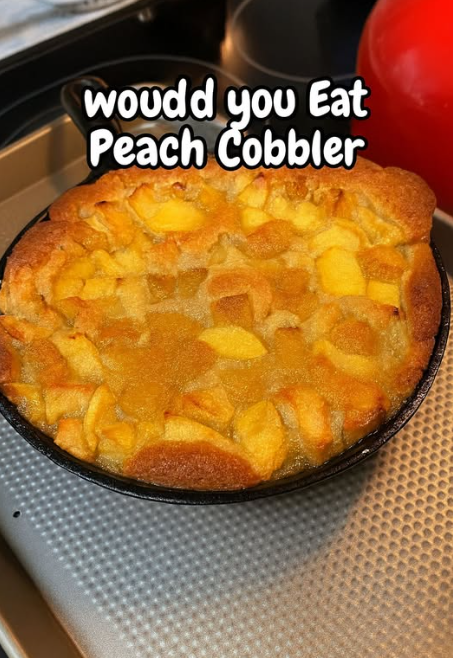
Precision in the layering process is the key to the cobbler’s unique structure. Follow these steps exactly—no stirring allowed!
- Preparation: Preheat your oven to 350°F (175°C). While the oven warms, melt your butter.
- The Foundation: Pour the 1/2 cup of melted butter into the bottom of an 8×8 or 9×9 inch baking dish. Do not grease the pan with spray; the butter does all the work.
- The Batter: In a separate mixing bowl, whisk together the self-rising flour, sugar, and milk (and vanilla if using) until the mixture is smooth and free of large lumps.
- The Pour: Carefully pour the batter over the melted butter. Do not stir. You want the batter to sit on top of the butter.
- The Fruit Layer: Gently spoon the sliced peaches evenly over the batter. If using canned peaches, ensure they are drained. Sprinkle the cinnamon over the top of the fruit.
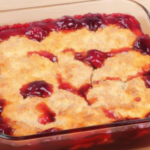
- The Bake: Place the dish in the center of the oven. Bake for 40–45 minutes. You are looking for a deep golden-brown color on the crust and a bubbling, thickened fruit sauce at the edges.
- The Rest: Allow the cobbler to sit for 10 minutes before serving. This allows the sauce to thicken and the crust to finish setting.
Serving and Storage: The Warmth of Hospitality
Serving: A warm peach cobbler is incomplete without a scoop of high-quality vanilla bean ice cream or a dollop of fresh whipped cream. The cold dairy melting into the warm, cinnamon-spiced peaches creates a restaurant-quality experience.
Storage: Cobbler is best enjoyed the day it is made, but it can be stored in an airtight container in the refrigerator for up to 3 days. To restore the crust’s crispiness, reheat it in the oven at 300°F for 10 minutes rather than using the microwave.
Tips: Secrets for the Perfect Rise
To ensure your cobbler reaches its full potential, keep these three tips in mind:
- Check your Flour: Ensure your self-rising flour is fresh. If it has been in the pantry for over six months, the leavening agents may have lost their power, resulting in a flat cobbler.
- Don’t Over-mix: When whisking the batter, stop as soon as the dry spots disappear. Over-mixing can develop the gluten and make the crust tough rather than tender.
- Room Temperature Milk: Using milk that isn’t ice-cold helps the butter stay liquid when you pour the batter, allowing for better integration during the bake.
Variations: Beyond the Peach
This versatile “cuppa-cuppa-cuppa” (cup of flour, sugar, and milk) base can be adapted to any season:
- Blackberry-Peach: Replace 1 cup of peaches with fresh blackberries for a tart, purple-hued twist.
- Bourbon Peach: Toss the peaches in 1 tablespoon of bourbon and a squeeze of lemon juice before adding them to the dish for a sophisticated, deep flavor.
- Ginger-Peach: Add 1/2 teaspoon of ground ginger to the flour mixture to highlight the floral notes of the peaches.
Tips: Managing Canned vs. Fresh
If you are using fresh peaches, you may want to toss them with an extra tablespoon of sugar and let them sit for 10 minutes to release their juices before adding them to the batter. If using canned peaches in heavy syrup, be sure to drain them thoroughly to prevent the cobbler from becoming overly soggy.
Conclusion: A Timeless Treat
This Peach Cobbler recipe is a testament to the fact that the most satisfying desserts are often the simplest. By utilizing the self-rising flour shortcut and the unique no-stir layering technique, you create a dish that is rich in history and flavor. It is a forgiving, warm, and joyful recipe that invites everyone to the table for a second helping. Enjoy your golden slice of summer!
Frequently Asked Questions
What if I don’t have self-rising flour?
You can make your own by whisking 1 cup of all-purpose flour with 1.5 teaspoons of baking powder and 1/4 teaspoon of salt.
Can I use a sugar substitute?
Yes, granulated stevia or erythritol blends intended for baking can be used. However, the crust may not brown as deeply, as real sugar is essential for caramelization.
Why did my batter stay at the bottom?
This usually happens if the batter is too thick or if the oven temperature is too low. Ensure your measurements are level and that the oven is fully preheated before the dish goes in.
Is it okay to peel the peaches?
It is a matter of preference! Many enjoy the rustic texture of the skins, while others prefer the silky feel of peeled fruit. To peel easily, blanch the peaches in boiling water for 30 seconds, then shock them in ice water.