- The Prep: Preheat your oven to 325°F (163°C). Thoroughly grease and flour a 10-inch Bundt pan. In a small bowl, whisk together the flour, baking powder, and salt.
- The Creaming Regulation: In a large bowl, cream the butter and sugar on medium-high speed for 4–5 minutes. You are looking for a pale, fluffy texture that has doubled in volume.
- Egg Integration: Add the eggs one at a time, beating well after each addition. Stir in the vanilla and optional coconut extract.
- The Alternating Marriage: With the mixer on low, add the flour mixture and the coconut milk alternately, beginning and ending with the flour. Do not overmix, as this will lead to a tough, bready cake.
- The Fold: Using a spatula, gently fold in the crushed pineapple (with juice) and the shredded coconut until just combined.
- The Bake: Pour the batter into the prepared pan and smooth the top. Bake for 70–80 minutes, or until a skewer inserted into the center comes out clean.
- The Rest: Allow the cake to cool in the pan for 15 minutes before inverting it onto a wire rack. This allows the structure to “set” so it doesn’t break during the transition.
Presentation: Serving and Storage
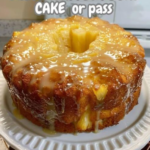
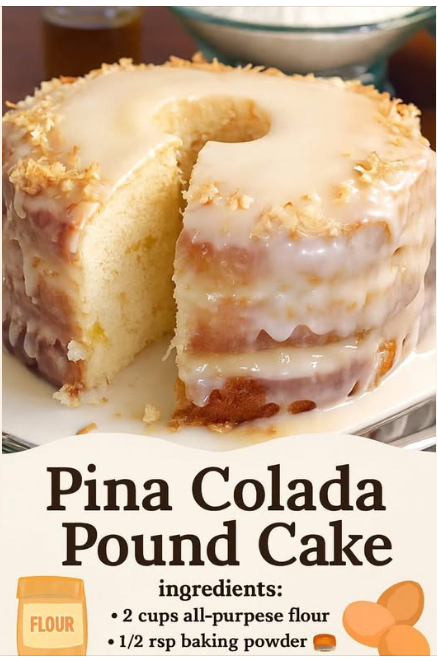
Serving: Once the cake is completely cool, drizzle with a simple glaze of powdered sugar and pineapple juice. For a gourmet touch, garnish with toasted coconut flakes and a few maraschino cherries.
Storage: This cake actually improves with age as the pineapple moisture continues to hydrate the crumb. Store in an airtight cake keeper at room temperature for up to 3 days, or in the refrigerator for up to a week.
Freezer Note: This pound cake freezes beautifully. Wrap slices individually in plastic wrap for a quick “tropical escape” whenever the craving strikes.
Chef’s Tips: The Secret to the Rise
- Room Temperature is Non-Negotiable: Your eggs, butter, and coconut milk must be at room temperature. Cold ingredients will cause the batter to “curdle,” leading to a dense, uneven bake.
- The Flour Sift: Sifting the flour with the baking powder ensures that the leavening is perfectly distributed, preventing “tunnels” or large air pockets in your cake.
- Pineapple Juice Balance: If your crushed pineapple is excessively watery, you can drain two tablespoons of the juice out, but keep the rest—it is the secret to the cake’s unique “syrupy” moisture.
The Flavor Pivot: Variations
- The “Tipsy” Cake: Replace 2 tablespoons of the coconut milk with white rum for an authentic “boozy” pina colada kick.
- The Toasted Twist: Toast the shredded coconut in a dry skillet for 3 minutes before adding it to the batter to deepen the earthy, nutty notes.
- Lime Zest Fusion: Add the zest of one lime to the sugar while creaming. The citrus acid brightens the heavy fats and makes the pineapple “pop.”
- The Macadamia Crunch: Fold in ½ cup of chopped macadamia nuts for a premium, Hawaiian-inspired texture.
Strategic Success: The Glaze Regulation
A great glaze should be a “veil,” not a blanket. Follow these instructions for a professional finish:
- Temperature Check: Never glaze a warm cake. The heat will cause the sugar to melt and run off into a puddle, rather than setting into a beautiful white drip.
- The Consistency Test: Your glaze should be the thickness of Elmer’s glue. If it’s too thin, add more powdered sugar; if too thick, add a teaspoon of pineapple juice at a time.
- The Drip Technique: Use a spoon to “push” the glaze over the edges of the Bundt ridges for those iconic, perfect drips.
Conclusion: An Honest Slice of Paradise
The Pina Colada Pound Cake is a testament to the fact that minimal changes to a classic can yield extraordinary results. By respecting the weight of the traditional pound cake and infusing it with the vibrant, tropical energy of the island, you create an honest masterpiece. It is a recipe that invites you to slow down, enjoy the process of the creaming, and savor the reward of a perfectly golden, “shatter-crisp” crust. This is the recipe you don’t lose—the one that brings a bit of summer to your table, regardless of the season. Enjoy the velvet crumb and the tropical glow!
Frequently Asked Questions
- Can I use fresh pineapple?
- Yes! However, ensure it is finely diced and that you include any juice released during the cutting process. Fresh pineapple is often more acidic, which may give the cake an even lighter lift.
- What if I don’t have a Bundt pan?
- You can use two standard 9×5 loaf pans. Reduce the baking time to approximately 50–60 minutes and begin checking for doneness early.
- Can I use coconut cream instead of coconut milk?
- Coconut cream is much thicker and higher in fat. It will result in an incredibly rich, almost fudge-like cake. If you use it, you may want to omit the butter by 2 tablespoons to compensate.
- Why did my cake stick to the pan?
- Bundt pans have intricate designs that trap sugar. Ensure you use a high-quality baking spray (one that includes flour) or the traditional “butter and flour” method, making sure every nook is covered.