
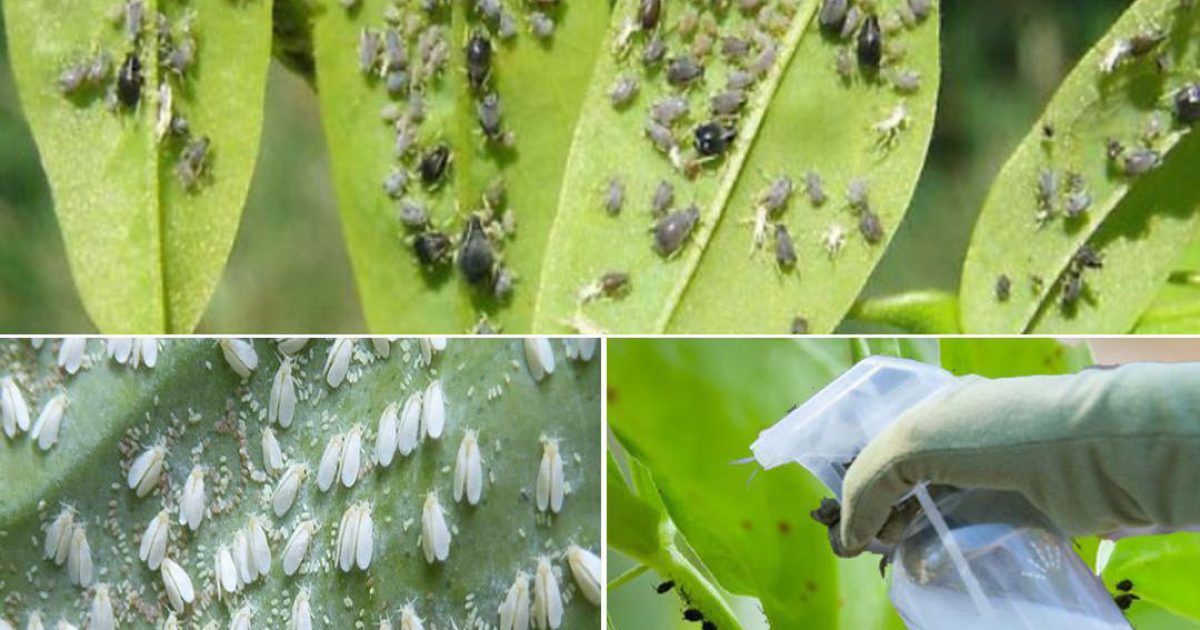
What If the Infestation Persists?
For young seedlings or in cases of severe infestation, additional treatments may be beneficial:
- A cooled and strained garlic infusion to spray on the foliage.
- A very diluted solution of white vinegar (test on a small area first to avoid burning).
- Neem oil, derived from a tropical tree, commonly used in organic gardening.
Another valuable ally is the ladybug. A single larva can consume dozens of aphids each day. Encouraging biodiversity—through varied hedges, flowering plants, and avoiding pesticides—supports the presence of these natural helpers.
Prevention Is Better Than Cure: Good Practices
To limit recurrences:
- Regularly inspect the undersides of leaves.
- Avoid excessive nitrogen-rich fertilizers, which stimulate young shoots favored by aphids.
- Space your plants adequately to ensure good air circulation.
- Water at the base rather than on the foliage to reduce stagnant moisture.
A balanced and diverse garden is naturally more resilient to attacks.
By adopting simple practices and environmentally friendly methods, you can effectively protect your plants. Your vegetable garden will quickly regain its vitality without compromising the natural balance of your garden.
Related posts:
 The Ultimate Guide to Using Epsom Salt in Your Garden
 How to Create a Snake-Resistant Garden: Plants to Avoid and Alternatives
 A Simple Spoonful to Revive Your Flowers Instantly
 Transform Your Garden with Plastic Forks: A Simple Yet Effective Deterrent
 Creative Ways to Repurpose Spray Bottles for Home and Crafts
 The Ultimate Guide to Boosting Flower Production in Your Garden
