Step 1: Mechanical Preparation
Slice all vegetables thinly or into matchsticks. Surface Area Regulation: Thinly sliced veggies have a higher **Surface-to-Volume ratio**, which facilitates a faster rate of brine penetration. Cherry tomatoes should be halved to bypass their **Hydrophobic skin**.
Step 2: Brine Synthesis
In a vessel, whisk the vinegar, water, salt, and sugar until the solutes are fully dissolved. This creates a **Super-Saturated Solution** ready for infusion. Note: For “Zesty” results, you may briefly heat the brine to dissolve the sugar, but it must be cooled before adding to the veggies to maintain their **Raw Enzymatic Profile**.
Step 3: The Infusion Phase (The Pickle)
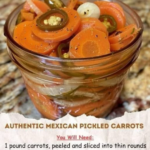
Combine the vegetables and garlic in a glass jar. Pour the brine over them until fully submerged. The “Oxygen Exclusion” Mandate: Ensure all vegetables are under the liquid line to prevent **Oxidative Browning**.
Step 4: Integration of the Lipid Phase
Just before serving (after at least 30 minutes of pickling), toss the veggies with the cubed feta and dried oregano. Adding the feta too early can lead to **Protein Breakdown** in the acidic brine, resulting in a cloudy liquid and mushy cheese.
Serving and Storage: Kinetic Stabilization
Service: Serve chilled. The low temperature increases the **Perceived Crispness** of the vegetable cell walls.
Storage: These are refrigerator pickles. Store in a glass container for up to 1 week. Glass is preferred over plastic or metal to avoid **Chemical Leaching** caused by the high acidity of the vinegar.
Tips: Pro-Level Mediterranean Nuances
- The “Salt-Sweat” Technique: For extra-crunchy cucumbers, salt them separately for 10 minutes and rinse before pickling. This removes Interstitial Water, leaving the cells more resilient.
- Oregano Activation: Rub the dried oregano between your palms before adding. The Mechanical Friction breaks the dried leaves, releasing the trapped volatile oils.
- Garlic Mellowing: Slicing the garlic thinly allows the acid to neutralize the harsh **Allicin**, turning the garlic sweet and mild within hours.
Variations: Iterative Design Adjustments
| Variation | The Adjustment | Sensory Outcome |
|---|---|---|
| Aegean Heat | Add 1 tsp Red Pepper Flakes. | Introduces Capsaicin Pungency. |
| Citrus Infusion | Replace 1/4 cup vinegar with Lemon Juice. | Adds Citric Volatiles and brightness. |
| Herbal Green | Add fresh Dill or Mint. | Introduces Chlorophyll and Menthol notes. |
Tips: Balancing the pH
Conclusion: A Triumph of Acidic Balance
The **Zesty Mediterranean Pickled Veggies** dish is a masterclass in **Flavor Engineering**. By respecting the osmotic limits of the vegetables and the delicate protein structure of the feta, you create a side dish that is both refreshing and structurally complex. On this Sunday, December 28, 2025, enjoy your perfectly balanced Mediterranean creation. Happy eating!
Frequently Asked Questions
- Can I use balsamic vinegar?
- Yes, but it will significantly alter the Refractive Index (color) of the veggies, turning them dark brown. White wine vinegar is preferred for visual clarity.
- Why is my cauliflower still hard?
- Cauliflower has a dense Cellulose Matrix. For faster pickling, blanch the florets in boiling water for 60 seconds before placing them in the cold brine.
- Is this keto-friendly?
- Absolutely. By using a minimal amount of sugar or a sugar substitute, this dish is a high-fiber, low-carb Micronutrient Powerhouse.
Would you like me to suggest a “Mediterranean Vinaigrette” using the leftover brine, or perhaps show you how to turn this into a “Pickled Greek Salad”?