
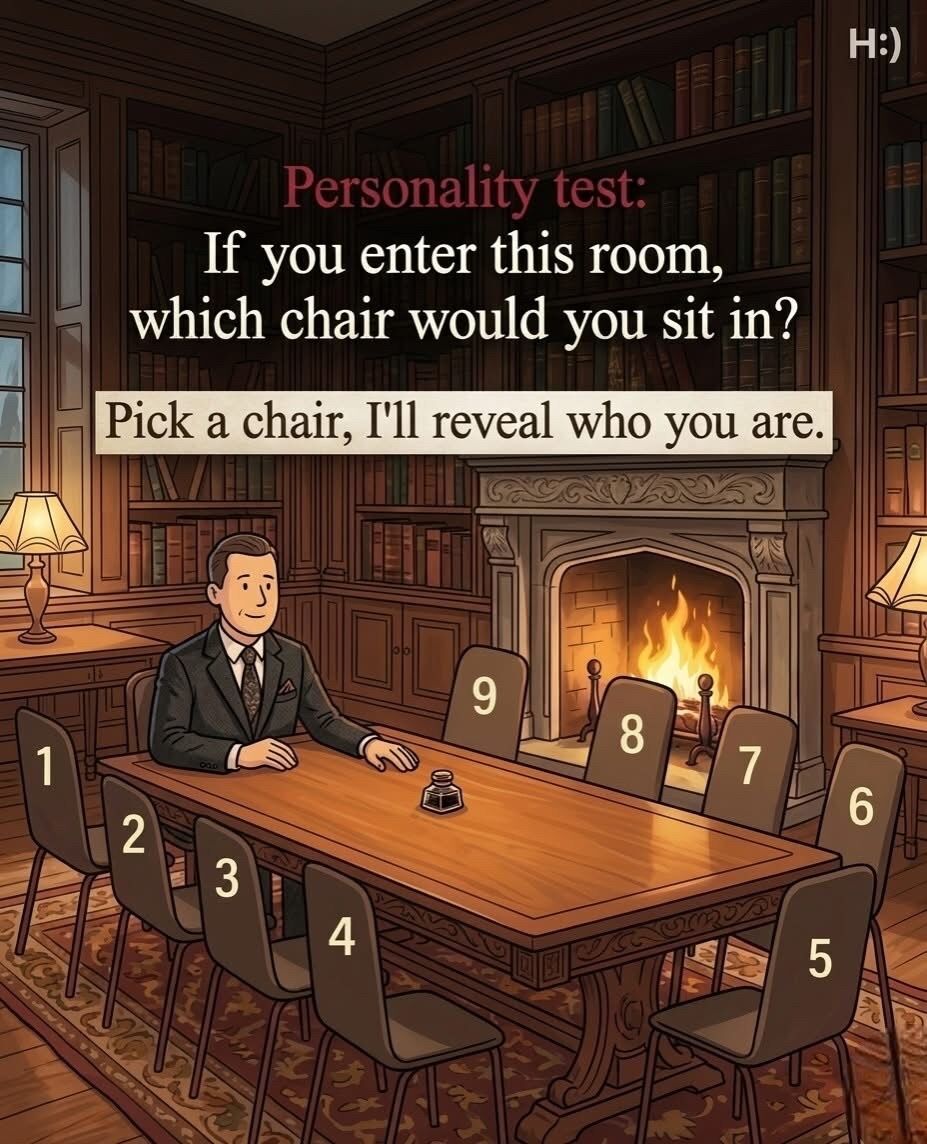
Cultural Significance of Seating Arrangements
Across various cultures, seating arrangements at a table carry symbolic meanings. The head of the table is often associated with leadership and hosting responsibilities, guiding the flow of conversation and ensuring that everyone feels included. This role is not merely about position but about care and attentiveness. Other seats around the table also take on distinctive roles, with guests of honor placed close to the host as a sign of respect. These arrangements, often developed over generations, reflect deeper instincts for social harmony and familial identity.
The Dynamics of Middle Seats
Seating in the middle of the table often creates the most dynamic social environment. Individuals in these positions frequently find themselves at the center of overlapping conversations, acting as social bridges that keep the gathering lively. They can introduce topics of interest, share jokes, and help quieter guests feel included. This central location fosters a sense of continuity, allowing stories and traditions to flow seamlessly between generations, making the middle seats some of the most energetic spots at the table.
The Value of Observation in Corner Seats
Not everyone feels comfortable in the spotlight. Some individuals prefer quieter seats that allow for observation while still participating in the gathering. Corner seats or positions at the end of the table provide a unique experience, enabling individuals to watch the entire room while contributing to conversations at their own pace. These observers often notice details that others might overlook, enhancing their understanding of the emotional atmosphere. Their thoughtful engagement can help maintain harmony during tense moments, demonstrating that meaningful participation can come from attentive listening.
