

Step 1: The Maillard Searing (The Beef Base)
Brown the ground beef in a large skillet. The “Fond” Science: Do not drain the pan immediately. The brown bits stuck to the bottom are caramelized proteins. When you add the aromatics, their moisture will “deglaze” the pan, incorporating those deep flavors into the base.
Step 2: The Starch Suspension (The Gravy)
Stir in your flour and butter to create a roux. Gradually whisk in the beef stock. The “Viscosity” Rule: You want a gravy that is “nappe” consistency—thick enough to coat the back of a spoon. If the gravy is too thin, the biscuits will sink to the bottom of the pan.
Step 3: The Assembly (The Layering)
Transfer the beef mixture to a baking dish and top with a layer of cheese. The “Insulation” Secret: The cheese layer creates a fat-rich seal. This prevents the heavy biscuit dough from sinking too deep into the gravy, ensuring the bottom of the biscuit stays “bready” rather than “pasty.”
Step 4: The Biscuit Placement
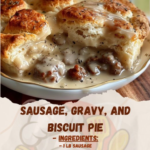
Arrange the biscuits on top, leaving small gaps between them. The “Steam Vent” Science: These gaps allow steam to escape. If you cover the top completely, the steam will be trapped, making the beef base watery and the biscuits soggy.
Step 5: The Convection Bake
Bake at 375°F for 15–20 minutes. The “Leavening” Transformation: In the first 10 minutes, the heat activates the baking powder in the biscuits, causing them to rise. In the final 5 minutes, the direct heat carmelizes the surface, creating the golden-brown “crust.”
Step 6: The Rest Period
Allow the dish to sit for 5 minutes after removing it from the oven. This allows for Thermal Stabilization, where the gravy thickens slightly as the temperature drops from boiling to serving temp.
Serving and Storage: Protecting the Texture
Serving: Scoop deeply to ensure a ratio of one biscuit to a generous portion of beef. Serve with a crisp green salad to provide a Palate-Cleansing Acidity against the heavy fats of the beef and butter.
Storage: This casserole stores exceptionally well. In the fridge, the starches in the biscuits will undergo Retrogradation, becoming slightly firmer. To reheat, use an oven or toaster oven rather than a microwave to maintain the biscuit’s “crunch.”
Tips: Masterclass Nuances
To elevate this bake to professional Southern standards, consider these techniques:
- The “Cold Biscuit” Rule: If using canned biscuits, keep them in the fridge until the exact moment you place them on the hot beef. The Thermal Shock between the cold dough and the hot oven creates more “loft” and height in the biscuit.
- Worcestershire Injection: Add a tablespoon of Worcestershire sauce to your gravy. The Anchovy-based Glutamates in the sauce act as a “Savoriness Multiplier” for the beef.
- Herb-Brushed Tops: Melt 2 tbsp of butter with fresh parsley and brush it over the biscuits 2 minutes before they finish baking. This adds a “Glistening” professional finish.
Variations: Regional Comfort Tweaks
| Variation | The Adjustment | The Vibe |
|---|---|---|
| Texas Smokehouse | Add 1/2 tsp of Liquid Smoke and swap beef stock for BBQ sauce. | Bold, smoky, and tangy. |
| Appalachian Veggie | Add 1 cup of chopped potatoes and carrots. | Hearty, earthy, and rustic. |
| Deep South Heat | Add diced jalapeños and use pepper jack cheese. | Zesty and warming. |
Tips: Preventing the “Soggy Bottom”
A “Soggy Bottom” occurs when the moisture from the gravy overwhelms the biscuit dough. To prevent this, ensure your gravy is Simmering Hot when you add the biscuits. This “sears” the bottom of the dough immediately, creating a cooked starch barrier that resists further liquid absorption.
Conclusion: A Taste of True Southern Comfort
The Southern Beef & Biscuit Bake is a triumph of Structural Gastronomy. By manipulating the viscosity of the beef gravy and the leavening properties of the biscuit, you create a dish that is both a stew and a bread in perfect harmony. On this Christmas Eve 2025, as you pull this bubbling, golden masterpiece from the oven, you are serving more than a meal—you are serving a masterclass in culinary physics. Enjoy every warm, soul-filling bite!
Frequently Asked Questions
- Can I use beef chunks instead of ground beef?
- Yes, but you will need to simmer the beef chunks in the stock for at least 45 minutes before adding the biscuits to ensure they are tender. Ground beef is preferred for this “Quick-Bake” style.
- My gravy is too thin! How do I fix it?
- Mix 1 tsp of cornstarch with a tablespoon of cold water (a slurry) and stir it into the boiling beef mixture. It will thicken instantly due to the Gelatinization of the cornstarch.
- What if I don’t have beef stock?
- You can use water with a beef bouillon cube or even a dry onion soup mix. The goal is to provide a Saline-Savory Liquid to hydrate the beef and vegetables.
Would you like me to suggest a “Creamy Coleslaw” recipe to serve as a side dish, or perhaps show you how to turn this into a “Shepherd’s Biscuit Bake” using lamb and peas?
Related posts:
 The Ultimate Brunch Mashup: Savory Sausage Gravy Biscuit Bake
 Perfect Family Brunch Delight: Easy Biscuits and Gravy Casserole
 Mastering Gooey Mozzarella Biscuit Bombs
 Southern Alchemy: Melt-in-Your-Mouth 2-Ingredient Biscuits
 Southern Alchemy: Melt-in-Your-Mouth 2-Ingredient Biscuits
 Masterclass in Sausage Gravy and Biscuits
