
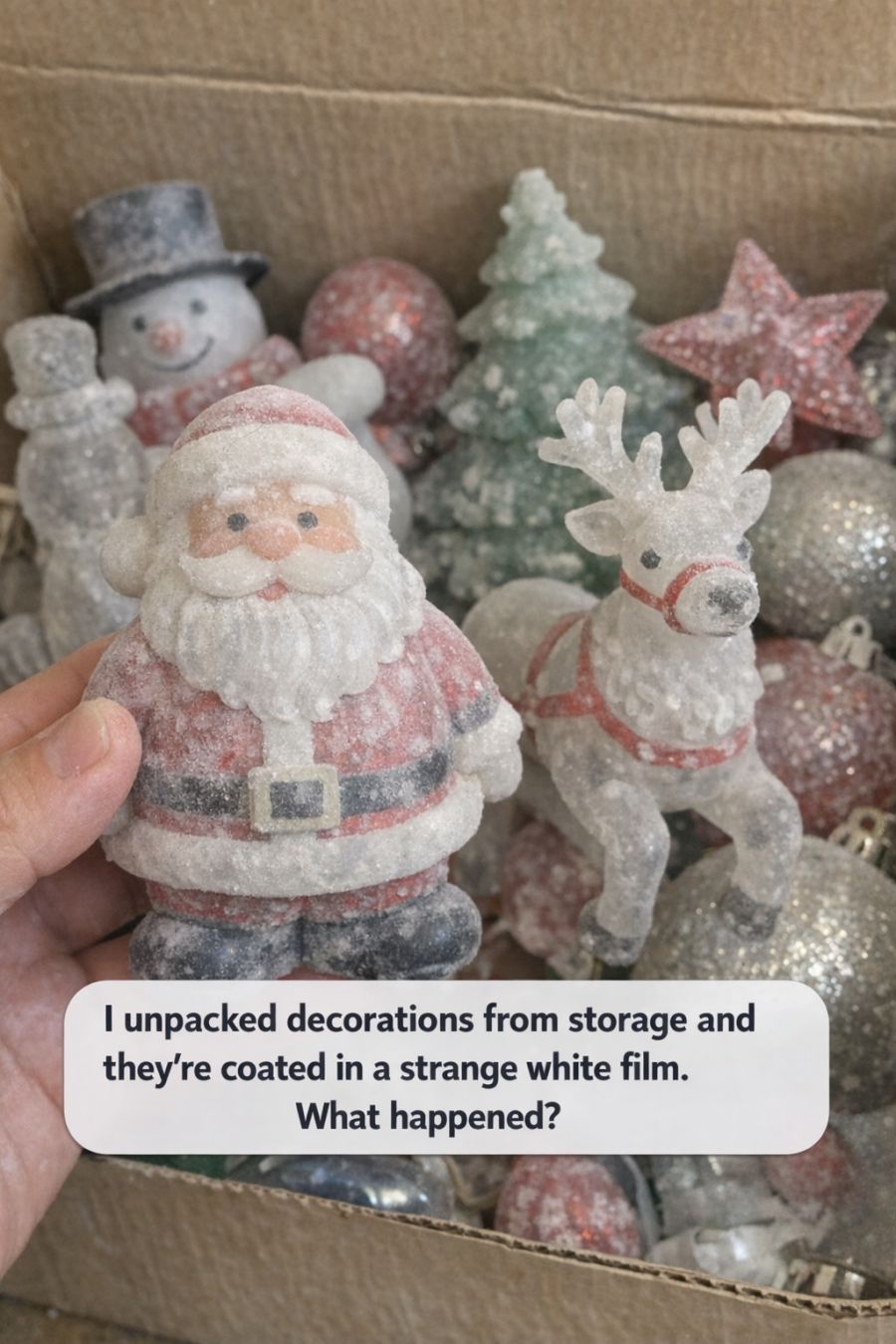
Identifying Mold and Mildew
Mold and mildew thrive in damp, dark environments, making them common culprits in storage spaces that lack proper ventilation. While mold typically appears as fuzzy spots, mildew often presents as a flat, white or gray film that can be mistaken for dust or residue.
It’s important to distinguish between benign white films and potentially harmful mold or mildew. Mold can pose health risks and should be handled with caution. Look for signs of moisture damage or a musty odor, which may indicate mold presence. If mold is suspected, it’s best to consult a professional for safe removal.
The Role of Salt and Mineral Deposits
In storage areas like basements or garages, where moisture levels can be elevated, salt and mineral deposits can form on surfaces. These deposits often appear as a white, crystalline film and can occur when water evaporates and leaves behind dissolved minerals. This type of residue is most common in areas with hard water or near coastal regions where salt air can penetrate. Using dehumidifiers and sealing storage spaces can reduce humidity and prevent mineral buildup on your decorations.
Cleaning Techniques for Different Materials
Cleaning the white film off decorations depends on the material. For most items, a gentle wipe with a soft cloth dampened with a mild soap solution will suffice. Avoid using harsh chemicals that could damage delicate surfaces.
For plastic decorations, a mixture of vinegar and water can help remove stubborn residue. Metal items may benefit from a baking soda paste to gently scrub away oxidation. Always test a small, inconspicuous area first to ensure the cleaning method doesn’t damage the item.
