
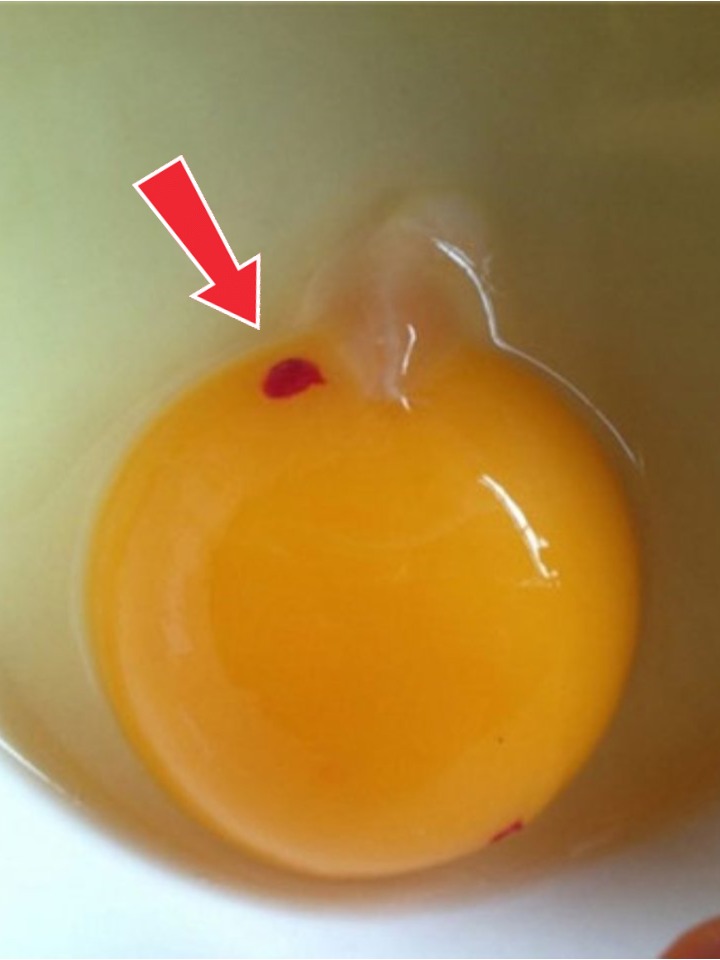
What Causes Blood Spots in Eggs?
A common misconception is that blood spots indicate a fertilized egg. This is not true. Blood spots occur when tiny blood vessels in the hen’s ovaries or oviduct rupture during the egg-laying process. If the spot is found in the yolk, it means the bleeding happened in the ovary when the egg was released. Conversely, if the spot is in the egg white, the bleeding occurred after the egg was released into the oviduct.
Proper Egg Storage and Cooking Practices
Regardless of blood spots, it’s essential to store and cook eggs properly. Store-bought eggs should be kept in the refrigerator, while farm-fresh eggs can be stored at room temperature, away from direct light and heat. Avoid consuming eggs with cracked shells, as this can allow bacteria to enter. Once cooked, eggs can be refrigerated for up to one week.
Always wash your hands before and after handling eggs, and ensure that both the yolk and white are cooked until firm. Consuming raw or undercooked eggs increases the risk of salmonella poisoning. If a recipe calls for raw eggs, opt for pasteurized eggs to minimize health risks.
