
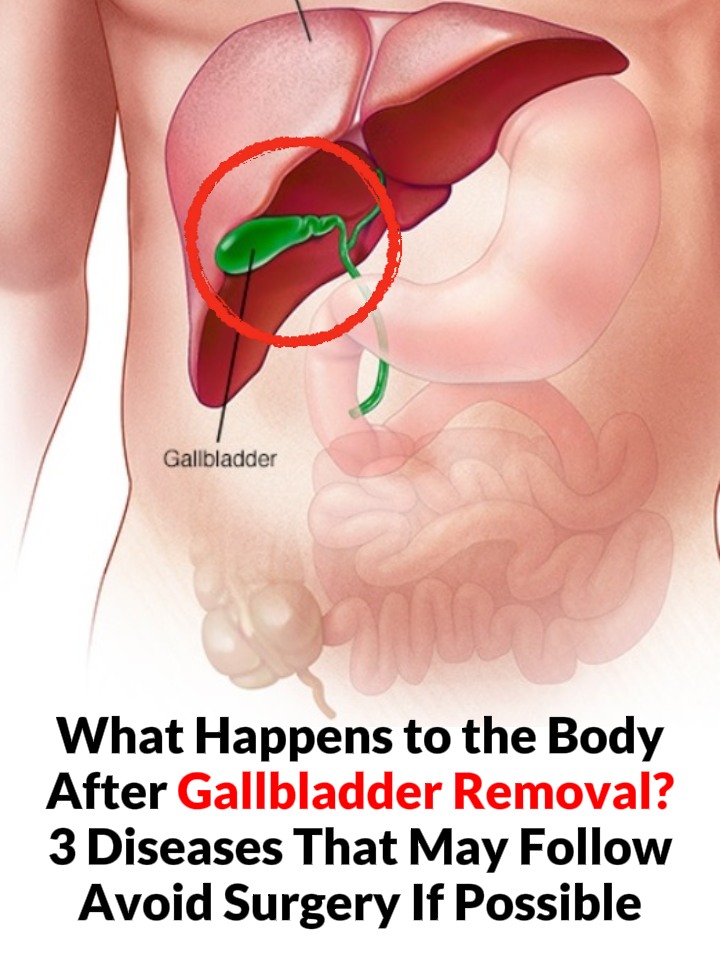
Bile Reflux
Post-surgery, some individuals may experience bile reflux, where bile flows rapidly into the stomach. This can lead to discomfort due to the high acidity and bile salt content, which may irritate the stomach lining.
Dietary Adjustments
Individuals who experience bile reflux after gallbladder removal often need to make dietary changes. This includes reducing high-fat foods, particularly fried and strongly flavored items, while increasing fiber intake and avoiding overeating and excessive alcohol consumption.
Sleep Disruptions
While impaired fat digestion is a primary concern after gallbladder removal, some individuals may also experience sleep disturbances, including poor sleep quality, anxiety, and insomnia. However, with proper lifestyle adjustments, many find that their sleep quality improves over time.
3 Diseases That May Follow – Avoid Surgery If Possible
Reflux Gastritis
After gallbladder removal, bile production continues but may decrease in concentration, leading to weakened digestion. Consuming difficult-to-digest or high-fat foods can result in bloating and diarrhea, with bile reflux potentially causing reflux gastritis.
Colon Cancer
Research indicates that individuals who have undergone gallbladder removal may face an increased risk of colon cancer. The removal can elevate secondary bile acid levels, which can irritate the colon and raise the likelihood of cancerous changes. Therefore, gallbladder removal should only be considered when absolutely necessary to preserve its protective functions.
