
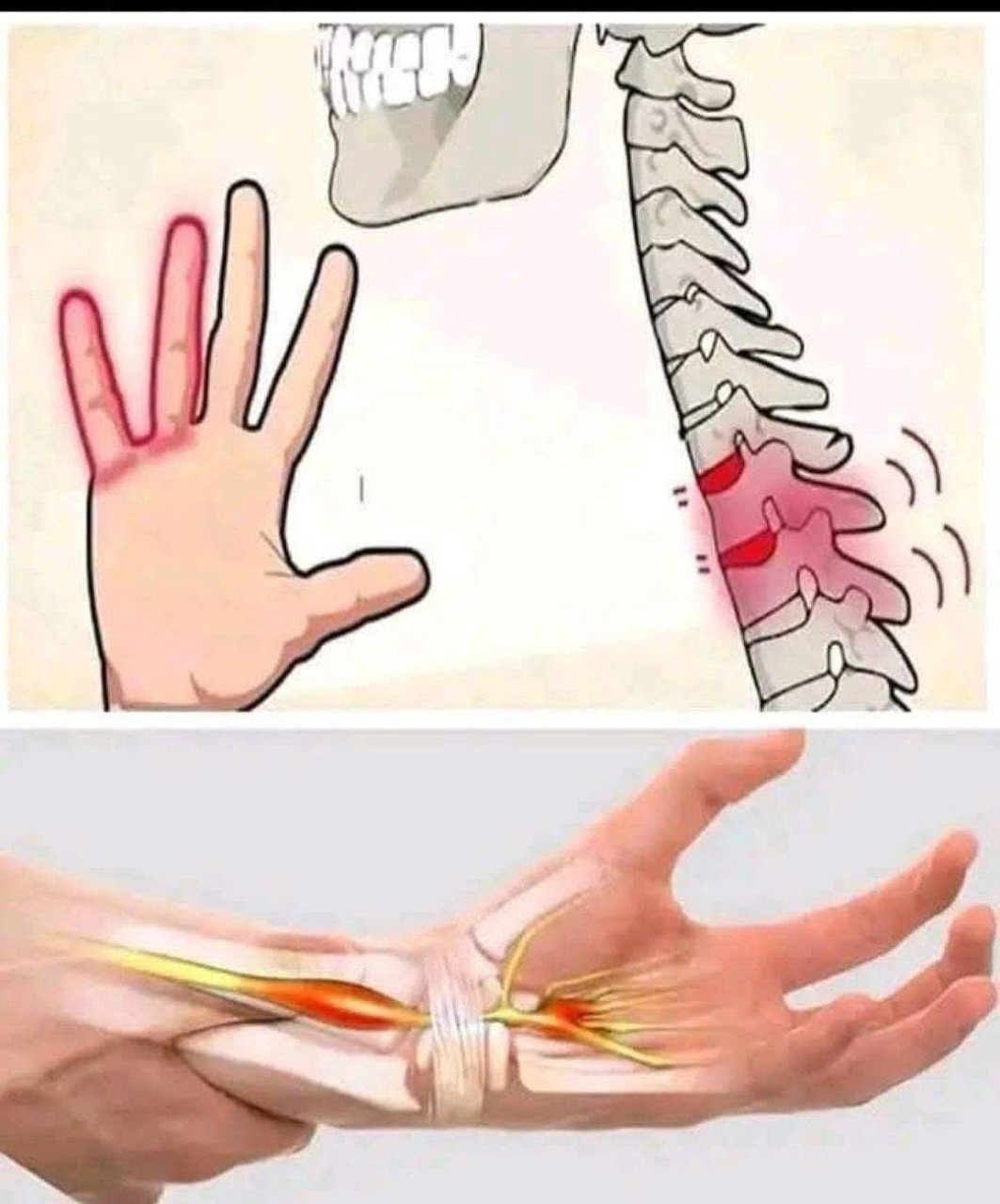
Why Does the Sensation Go Away?
In most cases, the sensation is temporary. When you change position, the pressure on the nerve or blood vessel is relieved, and normal circulation returns. The tingling sensation that follows often occurs because nerve activity is restarting. As normal blood flow returns, the nerves “wake up,” producing the familiar prickling feeling.
Tips to Prevent Paresthesia
You can reduce the risk of body parts “falling asleep” by following a few simple habits:
- Change Position Regularly: Avoid staying in the same position for long periods. Moving frequently helps maintain healthy circulation and prevents nerve compression.
- Avoid Tight Clothing: Tight clothing, belts, or socks can restrict blood flow and contribute to numbness. Wear comfortable clothing that allows proper circulation.
- Take Regular Breaks: If you sit for long hours at a desk or during travel, take breaks to stretch and move around.
- Maintain Good Posture: Poor posture can compress nerves and restrict blood flow. Sitting and sleeping in ergonomic positions can help prevent numbness.
In conclusion, while the sensation of body parts “falling asleep” is usually harmless and temporary, it can be uncomfortable and disruptive. Understanding the causes and implementing preventive measures can significantly reduce the likelihood of experiencing paresthesia. If numbness persists or is accompanied by other concerning symptoms, consulting a healthcare professional is essential to rule out any underlying medical conditions. By prioritizing good posture, staying active, and avoiding prolonged pressure on nerves, you can enhance your overall well-being and comfort.
Related posts:
 Understanding Nerve Concerns in Your Toes: Signs and Solutions
 Understanding Red, Swollen, and Burning Feet: Causes and Solutions
 Effective Strategies to Lower Blood Pressure Naturally
 Understanding Visible Veins: What They Really Mean for Your Circulation
 The Impact of Aging on Circulation: Common Mistakes and Solutions
 Understanding Vitamin B12 Deficiency: Signs, Risks, and Solutions
