
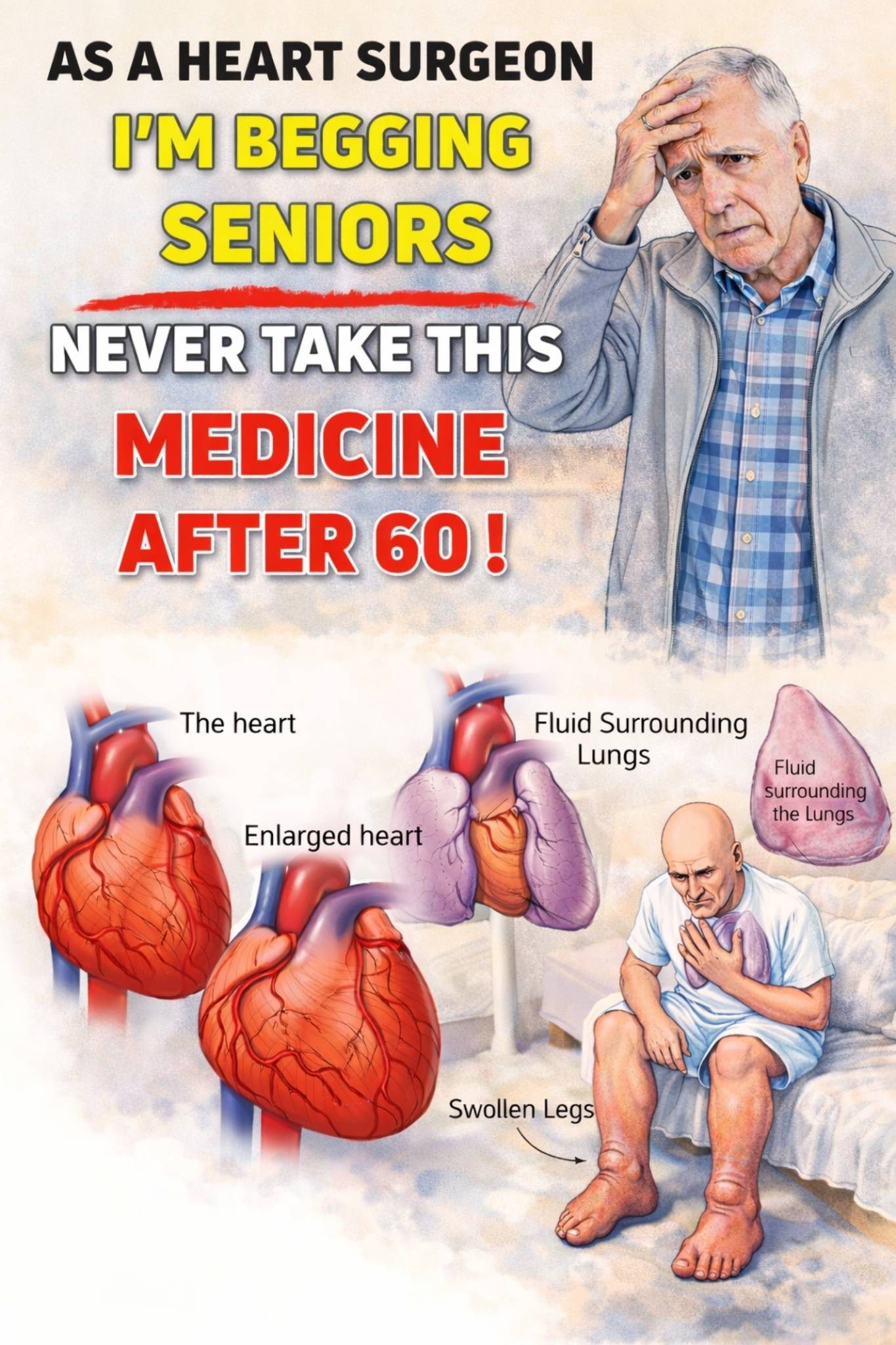
Lifestyle Habits to Support Heart and Joint Health
Small daily tweaks can significantly impact overall health:
- Stay hydrated with water throughout the day to help kidneys function smoothly.
- Follow a heart-friendly eating pattern rich in fruits, vegetables, whole grains, and lean proteins while limiting excess salt.
- Aim for consistent, moderate activity most days—even short walks count.
- Maintain a healthy weight to ease pressure on joints and the heart.
- Get regular check-ups to monitor blood pressure, kidney function, and overall heart metrics.
Comparing Pain Management Options for Seniors
| Option | Potential Heart/Kidney Impact | Best For | Notes |
|---|---|---|---|
| Acetaminophen | Generally lower risk | Mild to moderate pain | Follow dosing limits carefully |
| Topical NSAIDs | Minimal systemic absorption | Localized joint pain | Good first try for arthritis |
| Oral NSAIDs (ibuprofen, naproxen) | Higher caution in seniors | Short-term use only | Lowest dose, shortest time |
| Heat/Cold Therapy | No medication risk | Daily comfort | Easy and inexpensive |
| Exercise & Stretching | Supports heart health | Long-term joint support | Build gradually with guidance |
Discussing Pain Management with Your Doctor
Before making changes, have an open conversation with your healthcare provider. Share all medications (including over-the-counter ones), supplements, and any symptoms. Your provider can help weigh benefits versus risks based on your unique health picture and suggest personalized adjustments.
Conclusion
Understanding the potential risks associated with common pain relievers is essential for seniors aiming to maintain their heart health. By exploring safer alternatives and making informed lifestyle choices, older adults can effectively manage pain while minimizing risks. Always consult with a healthcare provider to ensure that your pain management strategy aligns with your overall health needs.
Related posts:
 Understanding the Risks of Medication: A Comprehensive Guide to Safe Management
 Effective Strategies to Lower Blood Pressure Naturally
 8 Habits to Avoid for Better Amlodipine Effectiveness
 Understanding Atorvastatin: Common Side Effects and What You Can Do
 Understanding the Impact of Diet on Blood Vessel Health
 Uncovering 14 Undiscussed Symptoms and the Science of Hormonal Transition
