
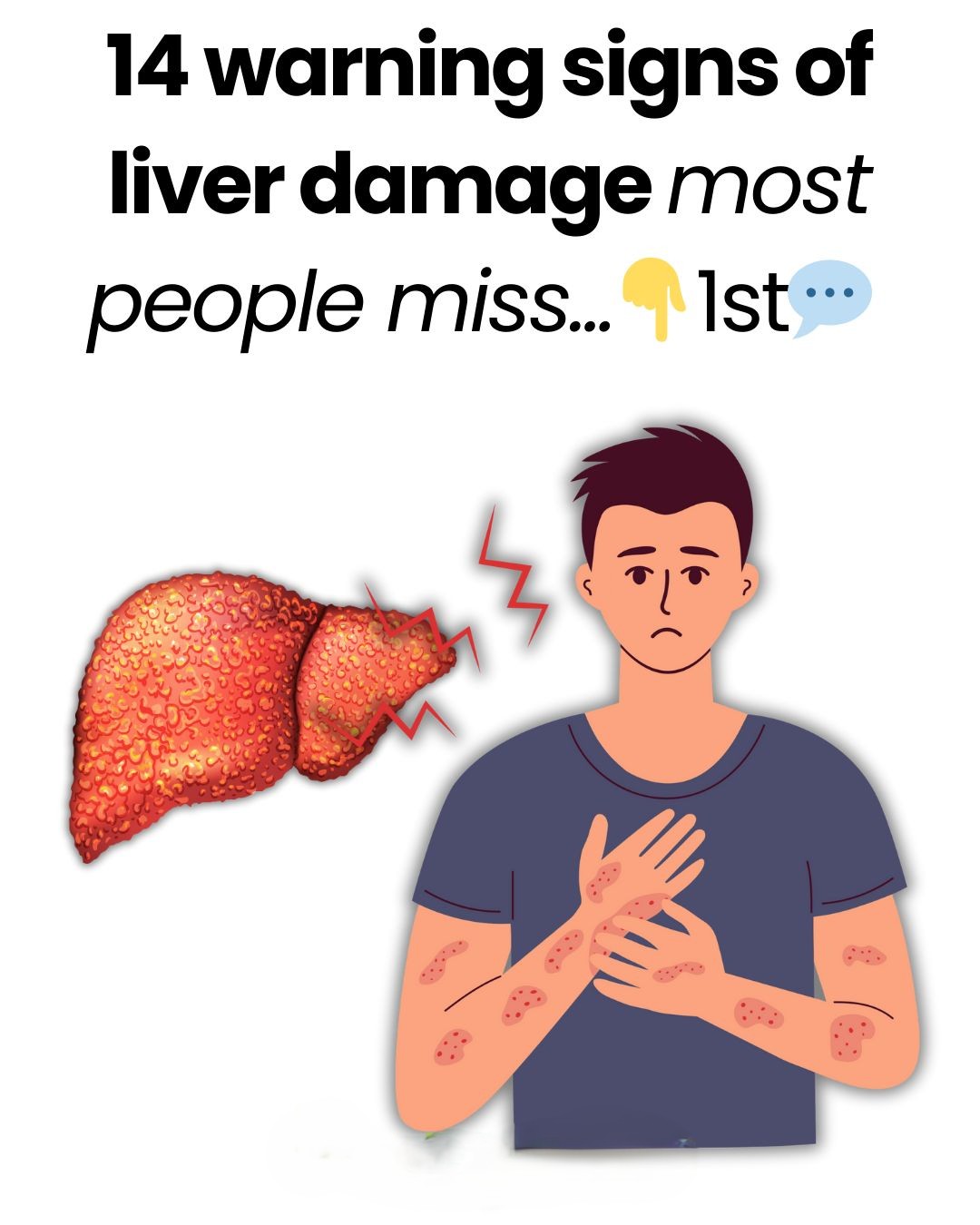
Sign 8: Itchy Skin
Pruritus, or itchy skin, can be a troubling symptom of liver disease. This intense itching, often felt on the palms and soles, is caused by the restriction of bile flow and can disrupt daily activities and sleep.
Sign 7: Changes in Bowel Movements
Liver dysfunction can lead to irregular bowel movements, including constipation or diarrhea. In advanced stages, a lack of bile production can cause pale-colored stools, indicating a significant issue with liver function.
Sign 6: Changes in Urine
Dark urine is often one of the first indicators of elevated bilirubin levels due to liver damage. When the liver cannot effectively process bilirubin, it accumulates in the bloodstream and is filtered out by the kidneys, resulting in darker urine.
Sign 5: Easy Bruising and Excessive Bleeding
The liver is essential for producing clotting factors. When damaged, it struggles to facilitate proper blood clotting, leading to easy bruising and excessive bleeding. Symptoms such as frequent nosebleeds or prolonged bleeding from minor cuts should not be ignored.
Sign 4: Swelling in Legs or Ankles
Fluid buildup in the legs and ankles is another sign of liver damage. This occurs when blood protein levels drop, allowing fluid to leak into surrounding tissues. In advanced stages, noticeable swelling can be observed in the lower limbs.
Sign 3: Nail Changes
Liver disease can manifest through changes in the nails. For example, Terry’s nails, characterized by a white appearance with a reddish-brown strip, are often associated with liver failure. Other changes may include fungal infections and unusual nail shapes or colors.
