
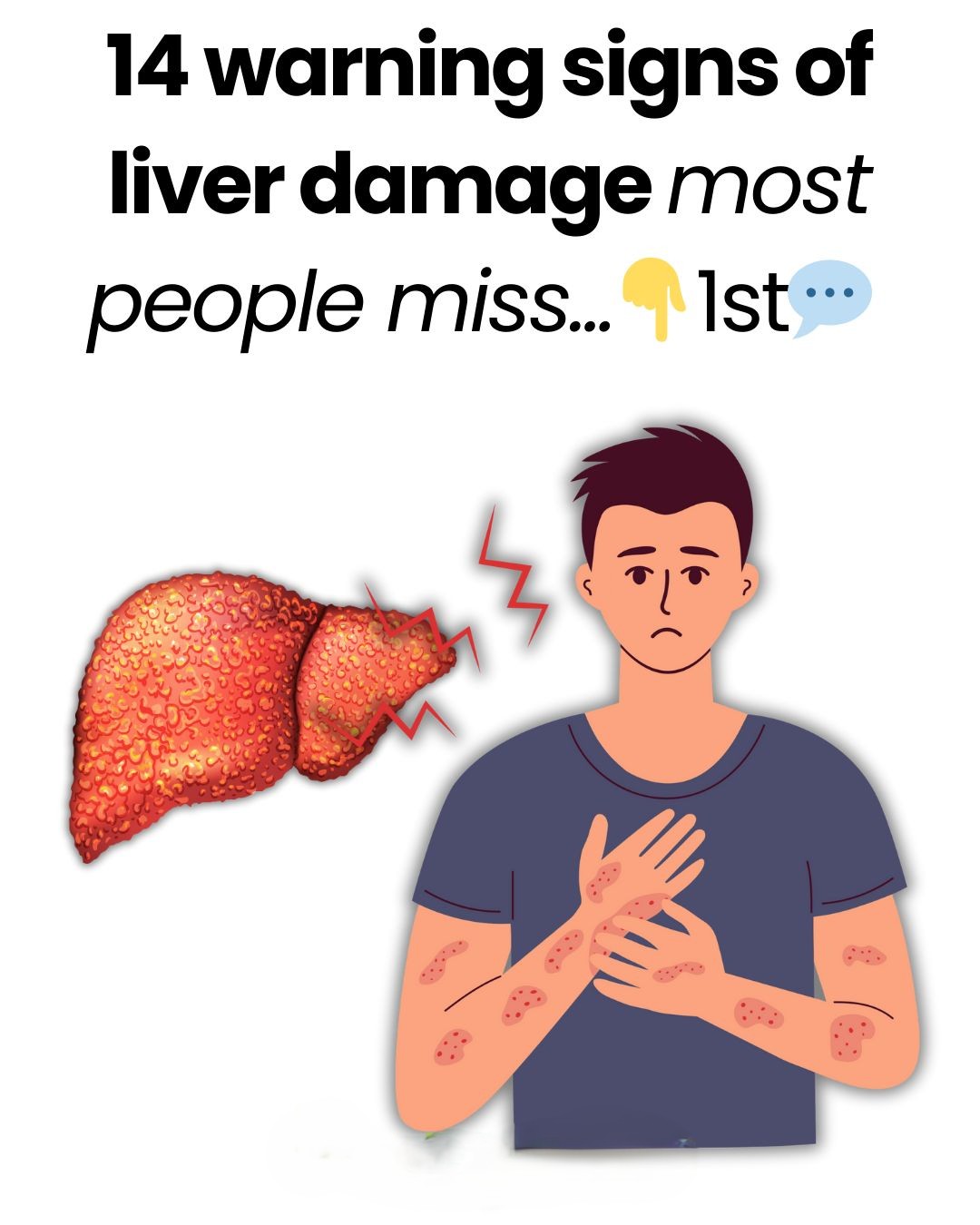
Liver damage is a serious health concern that can lead to a cascade of complications throughout your body. The liver, a vital organ located beneath your rib cage, plays a crucial role in filtering blood, metabolizing nutrients, and eliminating toxins. When it becomes compromised, it can result in severe conditions, including liver failure. Understanding the signs of liver damage is essential for early intervention and effective treatment.
Understanding Liver Damage
Liver damage occurs when the organ is injured to the point where it cannot function effectively. This can result from various factors, including excessive consumption of ultra-processed foods, alcohol abuse, certain medications, viral infections, obesity, and autoimmune diseases. Over time, liver damage can progress from inflammation to fibrosis, cirrhosis, and ultimately liver failure, necessitating urgent medical attention.
Common liver diseases include nonalcoholic fatty liver disease (NAFLD), cirrhosis, drug-induced liver disease, alcohol-related liver disease, hepatitis, and liver cancer. Recognizing the early signs of liver damage is crucial for maintaining overall health.
Sign 14: Loss of Appetite
One of the first signs of liver damage is a noticeable loss of appetite. When the liver struggles to metabolize fats and proteins, it can lead to nausea and aversion to high-fat and high-protein meals. This symptom can significantly impact nutritional intake and overall health.
Sign 13: Changes in Skin
Visible changes in the skin can indicate liver damage. Hormonal fluctuations may cause small blood vessels to dilate, resulting in spider veins, particularly on the face and torso. Additionally, jaundice, characterized by a yellowing of the skin, can occur when bilirubin builds up in the body due to impaired liver function.
Sign 12: Fatigue and Difficulty Concentrating
Fatigue and difficulty concentrating are common symptoms of liver damage. As the liver becomes less efficient at filtering toxins, individuals may experience persistent tiredness and cognitive challenges. In advanced cases, this can lead to hepatic encephalopathy, a serious condition characterized by confusion and memory loss.
Sign 11: Sleep Disturbances
Individuals with liver damage often experience sleep disturbances. As the condition progresses, discomfort from abdominal swelling or mental changes can lead to poor sleep quality, creating a vicious cycle that exacerbates health issues.
Sign 10: Loss of Weight and Muscle Wasting
Malnutrition is a significant concern for those with liver damage. A decreased appetite and ongoing nausea can result in weight loss and muscle wasting, particularly in individuals with cirrhosis. This decline in muscle mass can severely affect overall strength and health.
Sign 9: Abdominal Swelling and Pain
Abdominal swelling, known as ascites, is a hallmark of cirrhosis. This condition arises when fluid accumulates in the abdominal cavity due to protein loss in the blood. The resulting pressure can cause discomfort and pain, often accompanied by portal hypertension.
