
Risk Factors That Make These Signs More Serious
Certain lifestyle and genetic markers increase your chances of heart trouble:
- Family history of heart disease
- Smoking or secondhand smoke exposure
- High cholesterol or triglycerides
- Hypertension (high blood pressure)
- Diabetes or insulin resistance
- Obesity, especially abdominal
- Sedentary lifestyle
If any of these apply to you, pay extra attention to physical signals your body sends — even the ones that seem unrelated.
 How to Protect Your Heart Now
Even if you’ve noticed one or more of these signs, it’s never too late to take action.
Lifestyle Changes That Make a Difference:
- Eat a heart-healthy diet rich in vegetables, fiber, and omega-3s
- Exercise regularly — even brisk walking helps
- Quit smoking and limit alcohol
- Manage stress through meditation or yoga
- Get regular checkups and monitor your numbers
- Treat underlying conditions like diabetes or hypertension
Small steps today can prevent major emergencies tomorrow.
 Final Thoughts: Listen to Your Body Before It Screams for Help
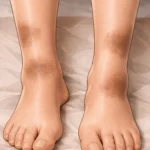
Your heart doesn’t always warn you with dramatic chest pain. Sometimes it speaks in quieter ways — through fatigue, sleep disruptions, strange markings, or unexplained swelling.
And while none of these signs alone proves heart disease, together with other risk factors, they can be powerful clues that something needs attention.
So next time you glance in the mirror or notice a change in your energy levels, pause.
Ask yourself:
“Could my heart be trying to tell me something?”
Because sometimes, the best way to protect your heart is to listen