
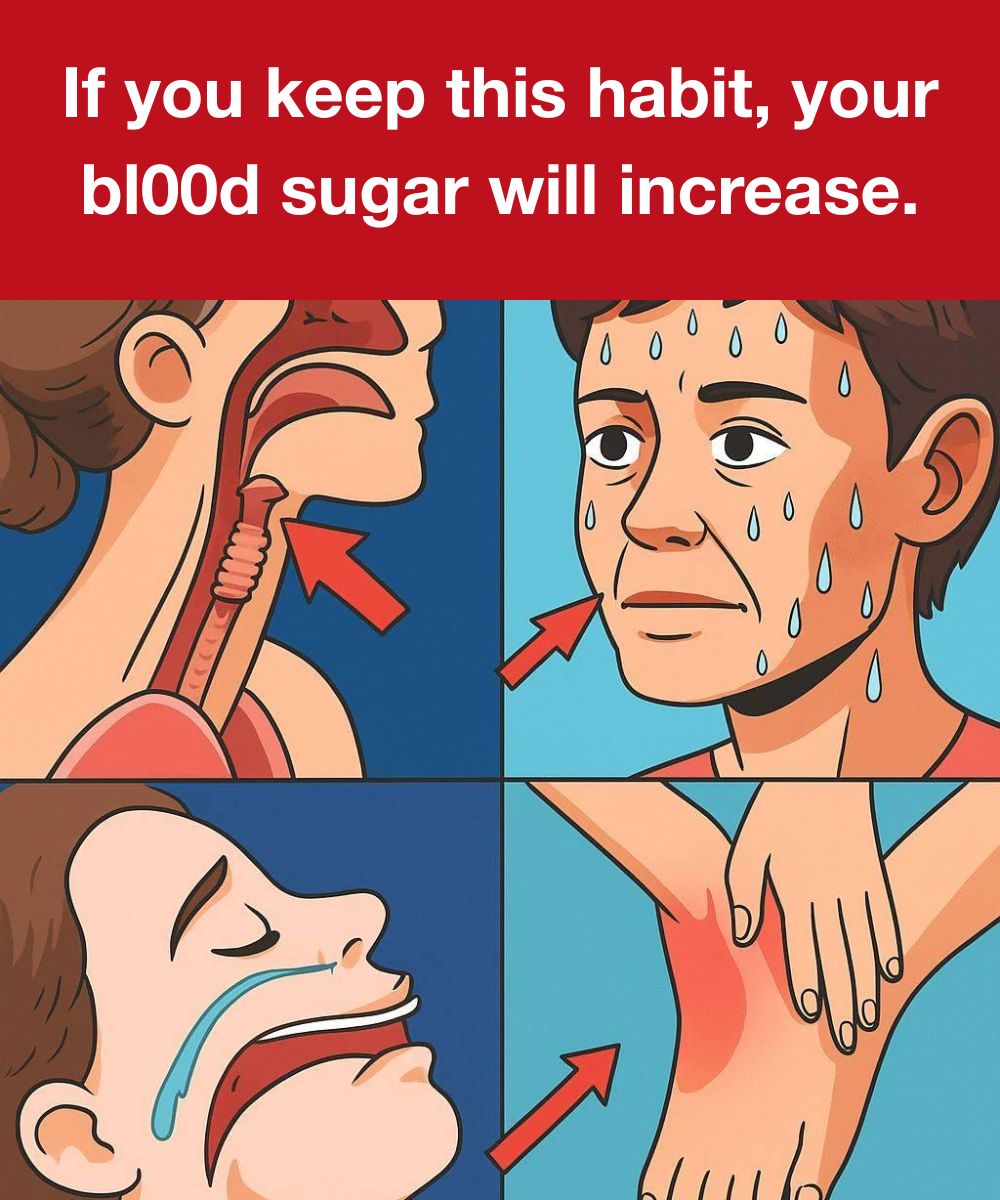
Alcohol Consumption Late at Night
While a glass of wine or a cold beer might help you unwind, alcohol can interfere with glucose metabolism. It can cause blood sugar to spike and then crash—especially dangerous overnight. Over time, frequent late-night drinking can lead to insulin resistance and other metabolic issues.
The Impact of Screen Time
Blue light from your phone or TV doesn’t just disrupt melatonin production; it also disturbs your circadian rhythm, which affects how your body processes glucose. Poor sleep and interrupted circadian rhythms are closely linked to a higher risk of diabetes. Consider unplugging 30–60 minutes before bed to mitigate these effects.
Managing Stress Before Sleep
You might not associate stress with diabetes, but chronic stress—especially right before bedtime—raises cortisol levels. Elevated cortisol can lead to the release of more glucose into the bloodstream. A stressed mind at night can contribute to insulin problems in the long run.
