
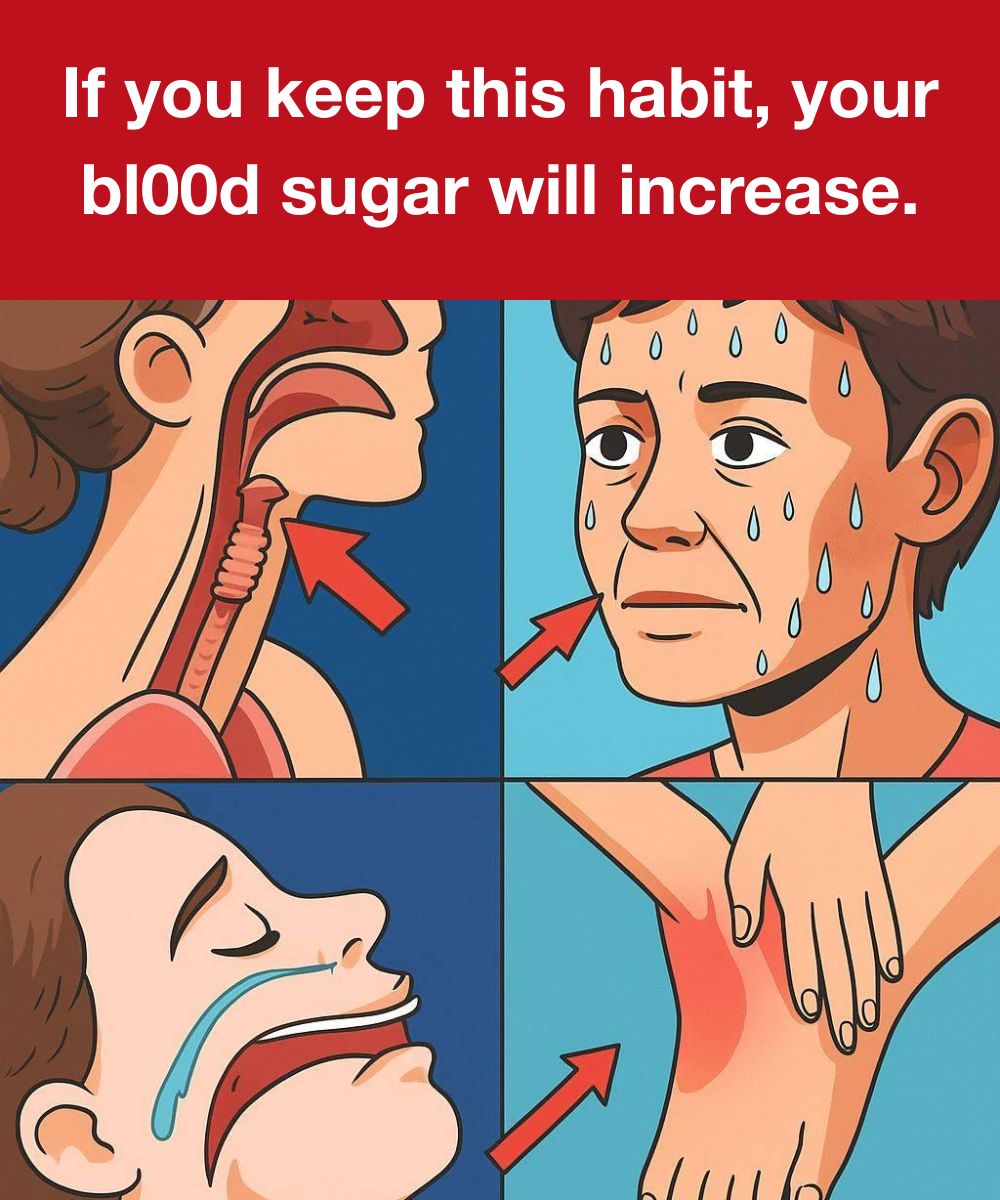
Many people view their evenings as a time to unwind and relax, but certain nightly habits may be silently contributing to serious health issues, such as type 2 diabetes. Understanding how your evening routine impacts your health is crucial. In this article, we will explore seven common nighttime behaviors that could be elevating your risk of developing diabetes without you even realizing it.
Late-Night Snacking: A Hidden Danger
That innocent bowl of chips or sweet treat before bed might feel comforting, but regularly eating late at night—especially processed carbs or sugary foods—can disturb your blood sugar levels. At night, your metabolism slows down, meaning your body has a harder time processing glucose. Over time, this can lead to insulin resistance.
Skipping Dinner or Overindulging
It’s tempting to skip dinner when you’re busy or tired, but missing meals can disrupt your blood sugar regulation. Conversely, overeating—especially heavy, high-carb meals—right before bed forces your body to work overtime digesting when it should be resting, increasing blood sugar fluctuations overnight.
The Importance of Sleep
Sleep isn’t just for rest; it’s vital for hormone balance. Lack of sleep boosts cortisol, your stress hormone, which in turn affects insulin sensitivity. Studies have shown that individuals who consistently get less than 6 hours of sleep are at a significantly higher risk of developing type 2 diabetes.
The Risks of Inactivity Before Bed
If your post-dinner routine consists of moving from the couch to the bed, that sedentary behavior may be detrimental to your health. Light movement—like a 10-minute walk after dinner—can help control blood sugar and enhance insulin response. Lying down immediately after eating is not beneficial.
