
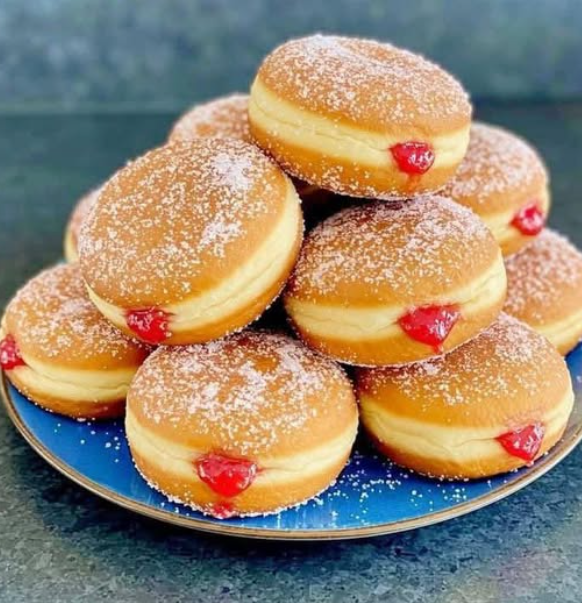
1. The Dry Mix (Aeration)
In a large mixing bowl, sift together the flour, sugar, salt, and active dry yeast. Sifting is a crucial step often overlooked; it removes lumps and aerates the flour, contributing to a lighter final product. Ensure the salt and yeast are tossed well so the salt doesn’t sit directly on the yeast in high concentrations.
2. Incorporating the Wet Elements
Make a well in the center of the dry ingredients. Add the eggs and the melted butter. Slowly pour in the warm water. Using a wooden spoon or your hands, begin bringing the flour from the edges into the liquid. Continue until a shaggy, sticky mass forms.
3. The Kneading and First Proof
Turn the dough onto a floured surface. Knead for 8–10 minutes by hand (or 5 minutes in a stand mixer). You are looking for the “windowpane” effect, where a small piece of dough can be stretched thin enough to see light through it without tearing. Once smooth, place it in an oiled bowl, cover with a damp cloth, and let it rest in a warm, draft-free spot for 1 hour or until doubled in size.
4. Shaping and Second Proof
Gently punch down the dough to release excess gas. Roll it out to a thickness of about 1.5 cm (½ inch). Use a circular cutter to stamp out your doughnuts. Place these on a parchment-lined tray, cover, and let them rise again for 30 minutes. This “second proof” is what creates the signature white ring around the center of the doughnut when fried.
5. The Golden Fry
Heat your oil to 175°C (350°F). Carefully drop 2–3 doughnuts into the oil at a time. Do not overcrowd. Fry for approximately 2 minutes per side until golden brown. Remove with a slotted spoon and drain briefly on paper towels.
6. Coating and Filling
While still warm, toss the doughnuts in a bowl of white sugar. Once they have cooled slightly (enough to handle), use a small knife or a skewer to poke a hole in the side. Using a pastry bag or a syringe, inject the strawberry jam until the doughnut feels heavy and the jam just begins to peek out.
Serving and Storage: Freshness is Key
Serving: Doughnuts are best enjoyed within the first 4 hours of frying. Serve them alongside a bitter espresso or a cold glass of milk to contrast the sweetness.
Storage: If you must store them, place them in an airtight container at room temperature for up to 24 hours.
Note: Reheating jam-filled doughnuts in the microwave for 5-8 seconds can soften the dough, but be careful—the jam center can become dangerously hot!
Tips: For the Master Baker
- Check Your Yeast: If your water-yeast mixture doesn’t bubble or foam within 5 minutes, your yeast is dead. Start over with fresh yeast.
- Temperature Control: Use a thermometer for the oil. If the oil is too cold, the dough absorbs it and becomes greasy; if too hot, the outside burns while the inside stays raw.
- The Jam Choice: If your jam is too thick to pipe, whisk it with a teaspoon of warm water to loosen the consistency.
Variations: Beyond Strawberry
While strawberry is the classic choice, the “Golden Cloud” dough is a versatile canvas:
- The Custard Bomb: Fill with vanilla pastry cream or chocolate ganache instead of jam.
- The Spiced Sugar: Mix cinnamon or cardamom into your coating sugar for a more complex aroma.
- The Lemon Zest: Add the zest of one lemon to the dough during the mixing phase for a bright, citrusy undertone.
Tips: Avoiding Common Pitfalls
“My doughnuts are raw in the middle”: This is a sign the oil was too hot. The outside browned before the heat could penetrate the center. Lower the heat and increase the frying time.
“The sugar isn’t sticking”: You likely waited too long to coat them. The sugar needs the residual surface oil and heat to adhere properly.
Conclusion: A Labor of Love
Making jam-filled doughnuts at home is a transformative culinary experience. It moves the baker away from the world of instant gratification and into the rewarding rhythm of slow-rising dough and careful craftsmanship. When you finally share a plate of these “explosions of sweetness” with friends or family, you aren’t just serving dessert—you’re serving a masterpiece.
Frequently Asked Questions:
Q: Can I bake these instead of frying?
A: You can bake them at 190°C (375°F) for 12-15 minutes, but they will have a texture more similar to a dinner roll than a traditional doughnut.
Q: How do I get that perfect white line around the middle?
A: That line comes from a perfect second proof. If the dough is light enough, it floats high in the oil, leaving the middle section untouched by the heat.
Q: Can I use milk instead of water?
A: Absolutely. Using milk will result in an even richer, softer dough, though it may brown slightly faster due to the natural sugars in the milk.
Related posts:
 The Ultimate Guide to Homemade Krispy Kreme-Style Yeast Donuts
 Boston Cream-Style Custard Doughnuts
 Mastering Raspberry Shortbread Thumbprint Cookies
 The Ultimate Guide to Raspberry Almond Shortbread Thumbprint Cookies
 Mastering Buttermilk Beignets
 The Ultimate Versatility: Mastering the Crazy Dough Recipe
