

- The Double-Dredge Architecture: Prepare two shallow dishes. In the first, whisk the flour with the garlic powder, onion powder, paprika, salt, and pepper. In the second, whisk the eggs and milk into a velvet-smooth wash.
- The Coating Regulation: Press each steak into the flour, dip thoroughly into the egg wash, and return to the flour for a final, heavy coating. The Secret: Press the flour firmly into the meat to ensure the “armor” stays attached during the fry.
- The Thermal Ascent: Heat 1/2 inch of oil in a heavy skillet over medium-high heat. Once the oil shimmers, carefully add the steaks.
- The Sear: Fry for 4–5 minutes per side. You are seeking a vibrant, golden-brown crust. Drain on a wire rack to maintain the shatter-crisp integrity.
- The Roux Evolution: For the gravy, melt butter in a clean pan (or keep 2 tbsp of pan drippings). Whisk in the flour and cook for 1–2 minutes until it smells nutty.
- The Emulsion: Slowly pour in the milk while whisking constantly. Continue until the sauce is velvet-smooth and thick enough to coat the back of a spoon. Season heavily with black pepper.
Service and Storage Tips
- Service: Serve the steaks immediately while the crust is at peak “shatter-crisp” levels. Ladle the velvet gravy generously over the center, leaving the edges exposed to showcase the crunch.
- Storage: Store leftovers in an airtight container for up to 3 days.
- Reheating: To restore the premium texture, use an air fryer or oven at 375°F for 5 minutes. Avoid the microwave, as it will cause the “armor” to become soggy and “chaotic.”
The Flavor Pivot: Variations
- The Smoky Orchard: Add 1/2 tsp of smoked paprika and a pinch of cayenne to the flour for a vibrant, fiery kick.
- The Herbaceous Bloom: Stir fresh thyme or cracked peppercorns into the gravy for a sophisticated, gourmet finish.
- The “Midnight” Sear: Use a cast-iron skillet and lard instead of oil for an honest, old-world depth of flavor.
Chef’s Tips: Mastering the Armor
- The Rest Regulation: After dredging the steaks, let them sit on a plate for 5 minutes before frying. This allows the flour to “hydrate,” ensuring the crust doesn’t flake off in the pan.
- The Temperature Secret: If the oil is too cold, the breading will absorb grease and become heavy. If too hot, the outside burns before the steak cooks. Aim for a “vibrant” sizzle when the edge of a steak touches the oil.
- Gravy Consistency: If your gravy becomes too thick, whisk in an extra splash of milk. It should be “velvet,” not “paste.”
Conclusion: An Honest, Vibrant Triumph
Chicken Fried Steak is a testament to the power of rhythmic preparation and heat control. It eschews the “chaos” of modern fast food in favor of a singular, perfect bite that is grounding and undeniably premium. By respecting the double-dredge protocol and the patience required for a proper roux, you’ve created an honest masterpiece. Enjoy the velvet-rich, shatter-crisp reward of every single forkful!
Frequently Asked Questions
- Can I use a different cut of meat?
- While cube steak is the gold standard, you can use flank steak or top round, provided you use a meat mallet to pound them until they are very thin and tender.
- Why is my breading falling off?
- This is usually due to the meat being too wet before the first flour dip, or not letting the dredged steaks “rest” before they hit the hot oil.
- How do I make the gravy darker?
- Simply cook the flour and butter (the roux) for an extra 3–4 minutes until it reaches a “peanut butter” color before adding the milk.
Related posts:
 Mastering Old-Fashioned Chicken Fried Steak
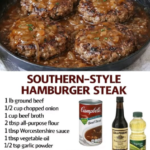 A Masterclass in the Architecture of the Southern-Style Hamburger Steak
 The Ultimate Amish Hamburger Steak Bake
 Dinner or Breakfast Perfection: Mastering Steak & Eggs
 The Ultimate Guide to Steak & Cheese Quesadillas
 Ground Beef & Gravy Over Mashed Potatoes
