
2. Red Bell Peppers: The Beta-Carotene Giant
If you think citrus is the king of Vitamin C, think again. Ounce for ounce, a red bell pepper contains nearly three times as much Vitamin C as an orange. However, their true secret weapon is Beta-Carotene.
The body converts Beta-Carotene into Vitamin A, which is essential for maintaining the integrity of the “mucosal barriers”—the linings of your nose, mouth, and lungs. If these barriers are strong, viruses have a much harder time entering the bloodstream. Red peppers are also rich in Phytochemicals that help reduce systemic inflammation.
3. Yogurt: Cultivating the Internal Guard
In 2026, we recognize that the gut is the “Second Brain” and the “First Defense.” Approximately 70% of your immune system is located in the gut-associated lymphoid tissue (GALT).
Note: Always opt for “plain” or “Greek” varieties. Added refined sugars can actually suppress white blood cell activity for hours after consumption, neutralizing the benefits of the probiotics.
4. Fatty Fish: The Pro-Hormone Regulators
Fatty fish (Salmon, Mackerel, Sardines) provide two essential tools: Vitamin D3 and Omega-3 Fatty Acids. Vitamin D is no longer classified as just a vitamin; it acts as a pro-hormone that turns “on” the genes responsible for killing bacteria and viruses.
| Nutrient | Role in Immunity | 2026 Recommended Intake |
|---|---|---|
| Vitamin D3 | Activates T-cell response | 1,000 – 4,000 IU/day |
| Omega-3 (EPA/DHA) | Reduces cytokine storms | 1,000mg combined |
Omega-3s are particularly vital because they help prevent hyper-inflammation. By dampening the “cytokine storm” response, they ensure that your immune system attacks the virus, not your own lung tissue.
5. Poultry: The Building Blocks of Defense
When you’re sick, chicken soup isn’t just a comfort; it’s medicine. Poultry is exceptionally high in Vitamin B6. This vitamin is essential for the formation of new, healthy red blood cells and the chemical reactions required to produce antibodies.
Furthermore, chicken contains the amino acid cysteine, which is chemically similar to the bronchitis drug acetylcysteine. This helps thin the mucus in your lungs, making it easier to expel pathogens during a respiratory infection.
6. Leafy Greens: The Antioxidant Reservoir
Spinach, kale, and Swiss chard are packed with a “cocktail” of Vitamin C, Vitamin E, and antioxidants. Vitamin E is a fat-soluble antioxidant that is key to a healthy immune system—it works by neutralizing free radicals that would otherwise damage immune cell membranes.
7. Nuts & Seeds: The Mineral Shield
Nuts (especially Almonds and Brazil Nuts) and seeds (Pumpkin, Sunflower) are the primary sources of **Zinc** and **Selenium**. Zinc is often called the “gatekeeper” of immune function because it is required for the development and activation of T-lymphocytes.
Selenium is a powerful antioxidant that lowers oxidative stress in the body. Brazil nuts are so potent that just one or two nuts provide your entire daily requirement. Be careful not to overconsume, as selenium toxicity is possible at very high levels.
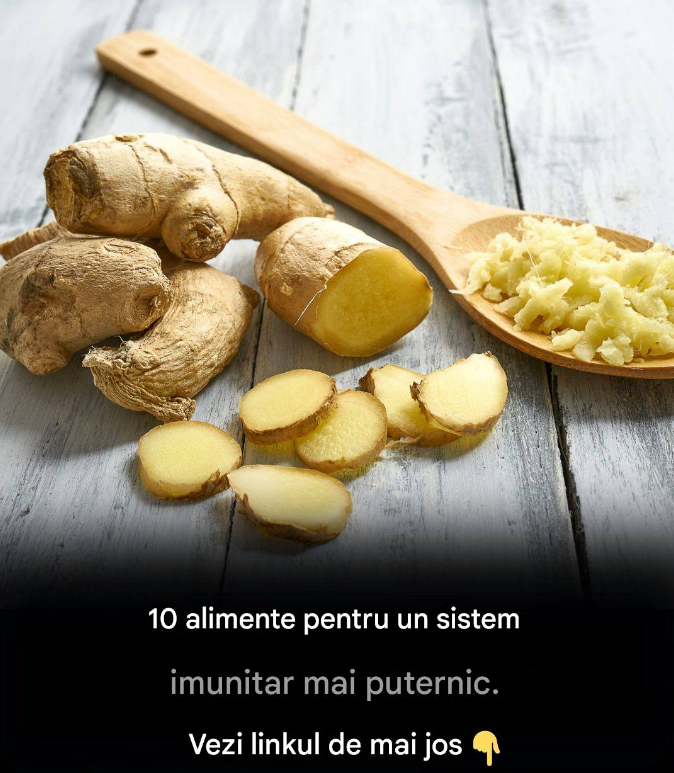
8. Ginger: The Thermogenic Defender
Ginger has been used for millennia, but 2026 clinical trials have highlighted its efficacy in blocking viral attachment to host cells. The primary compound, Gingerol, has potent thermogenic properties that slightly raise body temperature, which may assist in a more efficient immune response.
Ginger also works as a natural NSAID (non-steroidal anti-inflammatory drug), helping to reduce the sore throat and body aches associated with systemic infections without the gut-damaging side effects of synthetic pills.
9. Turmeric: The Molecular Switch
Turmeric is the “gold” of the spice world. Its active compound, **Curcumin** ($C_{21}H_{20}O_6$), is a bioactive substance that fights inflammation at the molecular level. It helps regulate the immune system by modulating the activation of T-cells, B-cells, and macrophages.
10. Garlic: The Nature’s Antibiotic
Garlic’s immune-boosting properties come from its heavy concentration of sulfur-containing compounds, primarily Allicin. When garlic is crushed or chewed, an enzyme called *alliinase* is released, which creates allicin.
Allicin has been shown to improve the ability of white blood cells to fight off viruses that cause the common cold and the flu. To maximize the allicin content, crush the garlic and let it sit for 10 minutes before cooking. This allows the enzymatic reaction to fully complete before the heat of the pan deactivates the enzyme.
The 2026 Holistic Context
While nutrition is the foundation, it does not exist in a vacuum. To ensure these 10 foods reach their maximum potential, the “Supportive Pillars” of health must be maintained:
- Hydration: Lymph—the fluid that carries immune cells—is 95% water. Dehydration leads to “sluggish” immunity.
- Sleep: During deep sleep, your body produces cytokines, proteins that target infection and inflammation. Less than 7 hours of sleep can reduce your vaccine efficacy and natural defense by 50%.
- Vitamin D Exposure: Even with fish, 15 minutes of midday sun (when possible) is the best way to maintain 25-hydroxyvitamin D levels.
Final Summary
Biological resilience in 2026 is about consistency over intensity. Incorporating these 10 foods into your daily routine—rather than only when you feel a “tickle” in your throat—creates a baseline of defense that makes you a difficult target for pathogens. By focusing on the gut-immune axis, mineral density, and anti-inflammatory pathways, you are taking command of your most precious asset: your health.
Eat well, live long, and stay resilient.
Related posts:
 Southern Fried Catfish: The Physics of the Perfect Crust
 Homemade Elixirs for Enhanced Metabolism and Sustainable Weight
 Mastering Old-Fashioned Fried Catfish
 A Simple Natural Beverage for Daily Hydration and Gentle Digestive Comfort
 The Legendary Amritsari Fish Fry
 Uncovering 14 Undiscussed Symptoms and the Science of Hormonal Transition
