Step 1: The Maillard Reaction
Begin by heating a large, heavy-bottomed skillet over medium-high heat. Add the ground beef, breaking it apart with a wooden spoon. The goal here is not just to cook the meat, but to achieve a deep, golden-brown sear. This process, known as the Maillard reaction, is where the complex, savoury “umami” flavours are developed. Once browned, drain away any excess fat, leaving about one tablespoon in the pan for sautéing.
Step 2: Softening the Heritage Greens
Add your chopped cabbage to the skillet. It may look like a large volume initially, but cabbage reduces significantly as it loses moisture. Stir the cabbage into the beef juices, ensuring every piece is lightly coated. Lower the heat to medium and cover the skillet for 5–7 minutes. This gentle steaming allows the cabbage to become tender-crisp—soft enough to eat easily but with enough “bite” to remain satisfying.
Step 3: The Cheese Infusion
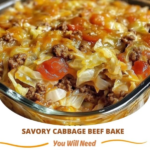
Once the cabbage has reached your desired tenderness, uncover the pan and give it a final stir. Sprinkle the extra sharp cheddar evenly across the top. Turn the heat to low and replace the lid for 60 seconds. This traps the residual heat, creating a perfect, bubbling “cheese blanket” that binds the beef and cabbage together.
Serving and Storage: From Pan to Plate
Serving: This skillet is a complete meal on its own, but it pairs beautifully with a side of crusty artisan bread or roasted root vegetables. For a touch of brightness, garnish with freshly chopped parsley or a dollop of sour cream.
Storage: This is one of those rare dishes that actually tastes better the next day as the flavours continue to meld. Store leftovers in an airtight glass container in the refrigerator for up to four days. To reheat, use a skillet over low heat with a splash of water to maintain the moisture of the beef.
Tips: The Secret to Skillet Success
To ensure your skillet doesn’t become watery, avoid salting the cabbage too early. Salt draws out moisture; by adding it toward the end of the browning process, you ensure the cabbage sautés rather than boils in its own juices. Furthermore, if you find your beef is too lean, don’t be afraid to add a teaspoon of butter or beef tallow to the pan—fat carries flavour!
Variations: Customising Your Culinary Canvas
While the beef and cabbage duo is a classic, you can easily adapt this recipe to suit different palates:
- The “Spice Market” Variation: Add a teaspoon of cumin and a pinch of chilli flakes for a more robust, warming profile.
- The Smoked Version: Substitute the cheddar for smoked provolone or Gouda to add a campfire depth to the dish.
- The Garden Variety: Stir in shredded carrots or bell peppers during the cabbage-softening stage for extra colour and nutrients.
Tips: Texture and Consistency
For a truly professional finish, pay attention to the “cut” of your cabbage. A rough chop results in a rustic, chunky feel, whereas a fine shred (similar to coleslaw) allows the cabbage to melt into the beef for a more cohesive, uniform texture. If you prefer a bit of crunch, decrease the covered cooking time by two minutes.
Conclusion: A Recipe with Heart
Cooking isn’t just about nutrition; it’s about the stories we tell through our food. The Cheesy Ground Beef and Cabbage Skillet is a testament to the idea that you don’t need a hundred ingredients to create a masterpiece. By focusing on technique—the perfect sear, the right melt, and the patience to let flavours develop—you are participating in a long-standing tradition of soulful, home-cooked excellence. Whether you are cooking for a busy family or perfecting your craft as a recipe developer, this dish remains a reliable, delicious cornerstone of the kitchen.
Frequently Asked Questions
Can I use different types of meat?
Absolutely. While ground beef is traditional, ground pork or even spicy sausage meat can be used. If using poultry like ground turkey or chicken, be sure to add a little extra olive oil or butter to compensate for the lower fat content.
Is this recipe suitable for meal prep?
Yes! Because cabbage is a sturdy vegetable, it holds its structure much better than spinach or zucchini when reheated, making it an ideal candidate for weekly meal planning.
How do I prevent the cheese from becoming oily?
Oily cheese usually occurs when the heat is too high. Always melt your cheese on the lowest heat setting or even with the heat turned off completely, letting the carry-over heat from the beef do the work for you.