
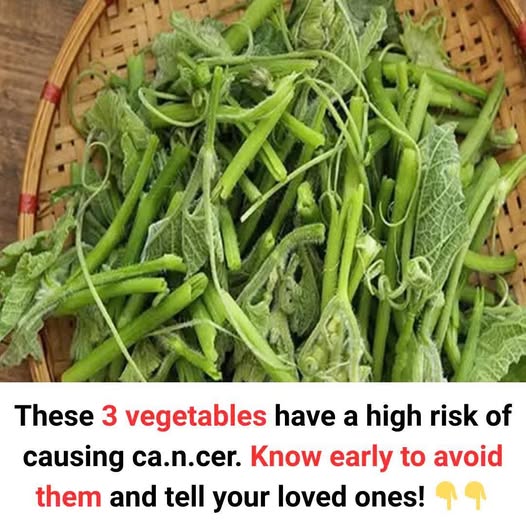
In a world filled with alarming health claims, it’s easy to feel overwhelmed and fearful about what we eat. Recently, sensational posts have circulated, warning against specific vegetables that supposedly increase cancer risk. However, these claims often lack scientific backing and can mislead consumers. Let’s delve into the facts, debunk the myths, and empower ourselves with knowledge about our food choices.
The Viral Claims: What You Need to Know
A widely shared social media post has made bold assertions about certain vegetables, including:
- Vegetables with high pesticide residue
- Pickled or preserved vegetables (in excess)
- Rotten or moldy vegetables
Some posts even go as far as to label bitter gourd shoots as deadly. While these claims may sound alarming, it’s essential to understand the context and the actual risks involved.
Understanding Pesticide Residue: A Manageable Concern
Yes, some conventionally grown vegetables, such as strawberries, spinach, and bell peppers, often appear on lists like the Environmental Working Group’s “Dirty Dozen” due to higher pesticide residues. However, it’s crucial to recognize that:
- Washing vegetables under running water can remove most surface pesticides.
- Peeling certain vegetables, like cucumbers or carrots, can further reduce exposure.
- Pesticide levels in food are strictly monitored in most countries to remain below harmful thresholds.
- The benefits of consuming vegetables far outweigh the risks, as eating more greens is linked to a lower cancer risk.
According to the World Health Organization (WHO), there is no conclusive evidence that consuming produce within legal pesticide limits increases cancer risk.
