Total active time: ~15 minutes. Oven time: 12–18 minutes depending on fillet thickness and oven temperature.
- Preheat the oven to 400°F (200°C). If you prefer a slightly gentler cook, 375°F (190°C) also works well. Line a rimmed baking sheet with parchment or extra foil to catch drips.
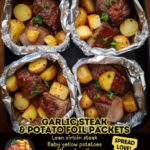
- Prepare the foil packets. Tear four sheets of heavy-duty foil about 12–14 inches long (or use parchment). Lay them out on the prepared baking sheet. Lightly brush the center of each sheet with a thin film of olive oil to prevent sticking.
- Toss the asparagus. In a bowl, toss asparagus with the remaining olive oil, a pinch of salt, and a few grinds of black pepper. Arrange an even handful of asparagus in the center of each foil sheet in a single layer — this creates a little nest for the salmon.
- Season the salmon. Pat salmon fillets dry with paper towels (dry fish = better sear and flavor). Season both sides with salt and pepper. Place one fillet on top of the asparagus on each foil sheet, skin-side down if the skin is on.
- Make the lemon-garlic butter. In a small bowl, whisk together the melted butter, minced garlic, lemon juice, lemon zest (if using), and a pinch of red pepper flakes. Spoon an even amount over each fillet and asparagus nest — about 1 tablespoon per fillet. Tuck a thin lemon slice on top of each fillet if you like.
- Seal the packets. Fold the foil over the salmon and asparagus and crimp the edges to create a sealed packet. Leave a little room inside for steam to circulate; don’t press down too tightly over the fish.
- Bake. Arrange the packets on the baking sheet and bake in the preheated oven for 12–18 minutes. Timing depends on fillet thickness: for ¾-inch fillets, 12 minutes will usually yield a moist, slightly translucent center; for 1–1¼ inch fillets, plan on 15–18 minutes. If you prefer a firmer, fully opaque fish, add 2–3 minutes.
- Finish (optional). For a lightly browned top, open the packets for the final 2–3 minutes and switch to the broiler for a quick, careful burst. Watch closely — broilers brown quickly and can burn the garlic.
- Rest and garnish. Remove from oven, open packets carefully to avoid steam burns, and let rest for 2 minutes. Sprinkle with fresh parsley or dill and an extra squeeze of lemon before serving.
Tip: Use an instant-read thermometer if you want precise doneness — salmon is best at 120–125°F (49–52°C) for medium-rare, 130°F (54°C) for medium. The FDA recommends 145°F (63°C) for safety, but many chefs prefer pulling salmon earlier for optimal texture.
Serving and Storage Tips
Serving suggestions
- Serve the fillet directly in the opened foil packet for rustic presentation, or transfer to plates for a composed meal.
- Accompaniments that pair wonderfully: steamed baby potatoes, herbed rice, lemon-parsley couscous, quinoa, or a crunchy mixed green salad.
- Finish with a drizzle of extra virgin olive oil, a scatter of toasted pine nuts, or a forkful of whole-grain mustard for nuance.
Storage & reheating
| Method | Instructions | Duration |
|---|---|---|
| Refrigerator | Cool to room temperature within two hours, place in an airtight container. | 3 days |
| Freezer | Freeze salmon and asparagus separately if possible to preserve texture; wrap tightly in foil or freezer-safe bags. | Up to 2 months (texture may degrade) |
| Reheating | Reheat gently in a 300°F (150°C) oven for 10–12 minutes or in a covered skillet on low with a splash of water or broth. Avoid high heat to prevent drying out. | Until warmed through |
Delicate fish reheats best slowly. If using microwave, use short bursts and cover to retain moisture, but oven or stovetop reheating generally yields superior texture.
Variations
This foil-baked method is a fantastic template — switch the aromatics, swap vegetables, or alter the sauce to suit your mood.
- Herb & citrus twist: Replace parsley with tarragon or basil and add orange zest for a fragrant variation.
- Asian-inspired: Swap the lemon garlic butter for a mixture of soy sauce, sesame oil, grated ginger, and a touch of honey. Add snap peas or baby bok choy instead of asparagus.
- Mediterranean: Add cherry tomatoes, kalamata olives, and crumbled feta. Use oregano and lemon for seasoning.
- Spicy chili-lime: Mix melted butter with lime juice, chili powder, and smoked paprika for a smoky, spicy finish. Garnish with cilantro.
- Vegetable swaps: Broccoli florets, green beans, thinly sliced fennel, or baby carrots all roast beautifully in the packet environment.
- Garlic-herb compound butter: Make compound butter ahead (butter + herbs + lemon zest) and place a pat on each fillet for an elegant finish.
Tips
- Choose quality salmon: Freshness matters. Look for bright, firm fillets with a clean smell. Wild-caught and farmed salmon both make excellent results; adjust cooking time slightly for thicker fillets.
- Pat dry: Blot salmon with paper towels before seasoning — this helps the butter and aromatics adhere and improves flavor.
- Even thickness: If fillets vary in thickness, fold thinner ends under or use a gentle press to even them so everything cooks uniformly.
- Don’t overfill packets: Give steam a little room — tightly packed packets can create uneven cooking.
- Layer flavors: Place aromatics (lemon slices, garlic) directly on the fish so their oils infuse the salmon during baking.
- Single-serve packets: Foil packets make portion control easy and are ideal for meal prep or individual preferences (different seasonings for each person).
Conclusion
Baked salmon in foil with asparagus and lemon garlic butter sauce is a weeknight hero: fast, forgiving, and impressive. The foil technique locks in moisture and concentrates flavor, while the lemon-garlic butter elevates the fish with bright, silky richness. It’s elegant enough for guests yet simple enough for busy nights — and endlessly adaptable to different cuisines and dietary needs. Try the basic method, then experiment with the variations to find your perfect combination.
Frequently Asked Questions
What temperature should I bake salmon in foil?
400°F (200°C) is a great balance of speed and gentle cooking. For thicker fillets or if you want extra control, 375°F (190°C) works well. Avoid very high heat unless you plan to finish under the broiler for browning.
How long do I bake salmon in foil?
Approximately 12–18 minutes, depending on thickness. Thin fillets may be done in 10–12 minutes; thick fillets can need 15–18 minutes. Check for a slightly translucent center if you prefer medium doneness.
Can I cook frozen salmon in foil?
Yes — add about 8–10 minutes to the bake time and ensure the internal temperature reaches a safe level. Add the lemon-butter sauce after partially thawed or toward the end to avoid diluting flavors.
Do I need to use heavy-duty foil?
Heavy-duty foil is recommended because it resists tearing and holds up better when sealing packets. Parchment paper also works well and creates “en papillote” packets if you prefer to avoid foil.
Is foil-baked salmon healthy?
Yes. Salmon is rich in omega-3 fatty acids and high-quality protein. Baking in foil requires little added fat while preserving nutrients and flavor. Pair with vegetables and whole grains for a balanced meal.