Phase 1: The Crumb Regulation
Sift the flour, salt, and baking powder into a large bowl. Add the cold, cubed butter. Use your fingertips or a pastry cutter to rub the butter into the flour. The “Breadcrumb” Rule: Work quickly until the mixture resembles coarse breadcrumbs. You should still see tiny pebbles of butter; this is the secret to a “dreamy” flake.
Phase 2: The Binding Process
In a small cup, lightly beat the egg. Create a well in the center of your flour mixture and pour in the egg. Add cold water, one tablespoon at a time, mixing with a cold knife or spatula until the dough just starts to come together.
Phase 3: The Hydration Chill
Gather the dough into a ball, wrap it in plastic wrap, and flatten it into a disk. Refrigerate for at least 30–60 minutes. This allows the gluten to relax and the butter to re-solidify, preventing the crust from shrinking in the oven.
Phase 4: Shaping and Baking
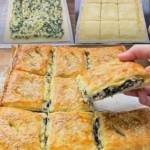
Preheat your oven to 375°F (190°C). Roll out the dough on a lightly floured surface to about 1/4-inch thickness. Drape it over your pie dish, fill with your favorite savory chicken mixture, and top with a second layer of dough. Crimp the edges tightly to create a “yummy” seal.
Phase 5: The Golden Wash
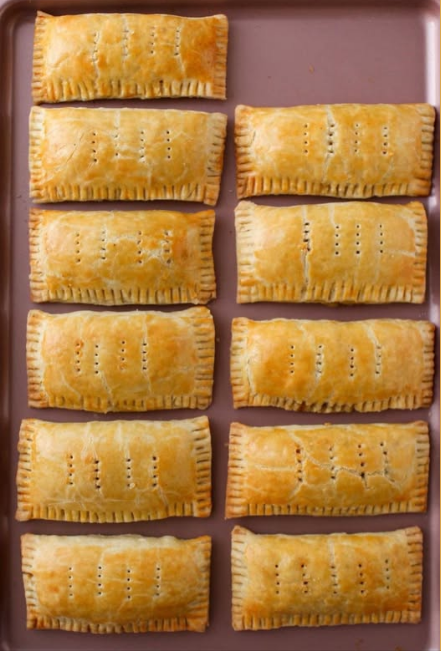
Brush the top of the pie with an egg wash (one egg beaten with a splash of water) and cut a small slit in the center for steam to escape. Bake for 35–45 minutes until the crust is a deep, majestic golden brown.
Tips for “Melt-in-Your-Mouth” Success
- Ice is Your Friend: Use actual ice water. If the dough gets too warm, the butter will melt into the flour, and you’ll end up with a “yummy” but dense cookie-like texture instead of a flaky pie crust.
- Don’t Overwork: Stop mixing as soon as the dough holds together. Over-kneading creates too much gluten, which leads to a hard, tough crust.
- Blind Baking: If your chicken filling is very “juicy,” consider blind baking the bottom crust for 10 minutes before adding the filling to avoid the dreaded “soggy bottom.”
Conclusion
Mastering this Shortcrust Dough is the first step toward the ultimate Chicken Pie. By respecting the “Thermal Regulation” of your ingredients, you transform basic pantry staples into a “dreamy” pastry that shatters perfectly with every forkful. It is a foolproof method that delivers a “yummy,” professional-grade result. Once you taste this homemade crust, you’ll never go back to store-bought again.
Frequently Asked Questions
- Can I use margarine instead of butter?
- Yes, you can! However, butter provides a more “dreamy” flavor and a superior “melt-in-your-mouth” texture due to its specific fat-to-water ratio.
- Why did my dough crack when rolling?
- This usually means the dough is too cold or too dry. Let it sit at room temperature for 5 minutes and try again. If it’s still cracking, you may need a tiny bit more water next time.
- How long does the dough keep?
- You can keep the raw dough in the fridge for up to 3 days, or freeze it for up to 3 months. Just thaw it in the fridge overnight before using.
Would you like me to help you create a “Creamy Leek and Mushroom Chicken Filling” to go inside this crust, or perhaps provide a guide on the best ways to crimp your pie edges for a professional look?