ADVERTISEMENT
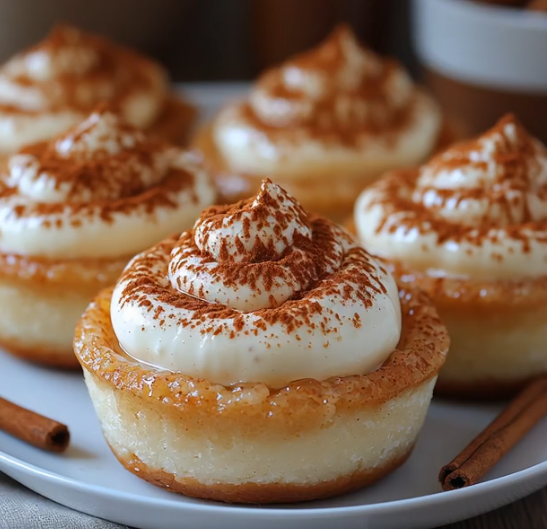
The integrity of the Milktart Cookie Cup lies in the purity of its ingredients. The recipe cleverly splits the components into the **Cookie Base** (a standard shortbread-style mix) and the **Custard Filling** (a stovetop thickened pudding). The success of the dish relies on the correct proportion of the binder (cornstarch) to the liquid (milk) in the filling.
Cookie Base Essentials:
- 1 cup all-purpose flour: The dry foundation for the cookie cup. Using all-purpose provides a tender yet sturdy shell.
- 1/2 cup sugar: Provides sweetness and aids in the caramelization (browning) of the cookie cup during baking.
- 1/2 cup unsalted butter, softened: Essential for a tender texture. The butter must be properly **softened** (room temperature, but not melted) for successful creaming and dough formation.
- 1 large egg: The binder that gives the cookie cup structure and prevents crumbling.
- 1/2 teaspoon vanilla extract: A key flavor component that enhances the natural sweetness of the butter and sugar.
Custard Filling Essentials:
- 1 cup milk: The liquid base for the custard. Whole milk is recommended for the richest flavor and creamiest texture.
- 2 tablespoons cornstarch: The crucial thickening agent. This quantity ensures a light, velvety custard consistency that sets well when chilled, without becoming overly dense or gelatinous.
- 1/4 teaspoon salt: A small but vital addition that balances the sweetness of the sugar and enhances the subtle vanilla and cinnamon notes.
- 1 teaspoon ground cinnamon: The signature spice of *Melktert*. This quantity provides the recognizable aroma and flavor that defines the dish. It is used both in the custard and, optionally, as a final garnish.
A Note on Scaling: The provided recipe yields 12 servings, perfectly utilizing one standard 12-cup muffin tin. If using the 2x or 3x scale options, ensure you have sufficient muffin tins available, as crowding the tin will lead to uneven baking and poor cup formation.
The simplicity of these ingredients means quality matters. Using pure vanilla extract and fresh cinnamon will dramatically elevate the final taste, especially in the delicate custard filling.
Instructions: The Two-Phase Method
This recipe is divided into the creation of the **Cookie Shell** (baking) and the **Custard Filling** (stovetop thickening). Executing each phase correctly ensures the perfect finished product.
Phase 1: The Cookie Shell (15 minutes prep + 12 minutes bake)
- Preheat and Prep: Preheat the oven to **350°F (175°C)**. Lightly grease a standard 12-cup muffin tin, even if non-stick, to guarantee easy release of the baked cups.
- Creaming the Foundation: In a large mixing bowl, cream together the **1/2 cup softened unsalted butter** and **1/2 cup sugar**. Use an electric mixer on medium-high speed until the mixture is **light and fluffy**. This is crucial for incorporating air, resulting in a tender cookie shell.
- Wet Ingredients: Beat in the **large egg** and **1/2 teaspoon vanilla extract** until just combined. Scrape down the sides of the bowl.
- Dry Ingredients: Gradually add the **1 cup all-purpose flour**. Mix on low speed until the dough just comes together into a cohesive ball. Do not overmix, as this develops gluten, leading to a tough cookie.
- Forming the Cups: Scoop approximately 1 heaping tablespoon of dough into each well of the muffin tin. Using your fingers or the back of a small, oiled spoon, press the dough down and up the sides of the well to form a uniform cup shape. The dough should be thin but sturdy enough to hold the custard.
- Baking the Shells: Bake for **10-12 minutes** until the edges are golden brown. Remove from the oven and immediately use the back of a measuring spoon (a rounded teaspoon works well) to gently re-press the center indentations, as the dough will puff slightly during baking. Allow the cookie cups to cool in the tin for 5 minutes before carefully removing them to a wire rack to cool completely.
Phase 2: The Custard Filling (10 minutes cook + cooling)
- Whisk the Base: In a medium saucepan, whisk together the **1 cup milk**, **2 tablespoons cornstarch**, **1/4 teaspoon salt**, and **1 teaspoon ground cinnamon**. Whisk until the cornstarch is completely dissolved and no lumps remain.
- Thicken Over Heat: Place the saucepan over **medium heat**. Whisk constantly and vigorously. As the mixture heats, it will start to thicken rapidly, usually after reaching a simmer. Continue whisking for **1-2 minutes** after the initial thickening to cook out the raw cornstarch flavor. The finished custard should be velvety smooth and thick enough to coat the back of a spoon.
- Fill and Cool: Immediately remove the saucepan from the heat. Pour the hot custard into the completely cooled cookie cups, filling each cup almost to the brim.
- Chill and Serve: Let the filled cups cool completely at room temperature for about 30 minutes, then transfer them to the refrigerator. **Serve chilled**—this allows the custard to fully set and ensures the best texture.
Serving and Storage: The Importance of Chill and Garnish
Milktart Cookie Cups, like the traditional *Melktert*, rely on a chilled temperature to achieve their desired texture—a firm, crumbly shell giving way to a cool, set custard.
Serving Recommendations:
- Garnish: The traditional Milktart is always finished with a dusting of cinnamon. Once chilled, gently sprinkle a small pinch of **ground cinnamon** over the top of each cup before serving. Alternatively, a tiny dollop of fresh whipped cream and a shaved piece of dark chocolate can add elegance.
- Temperature: Serve the cups directly from the refrigerator. The contrast between the cool filling and the tender cookie shell is key to the overall experience.
- Occasions: Their individual nature makes them perfect for children’s parties, buffets, or as an elegant addition to a coffee-and-dessert course.
Storage Guidelines:
Due to the dairy-based custard filling, these cups must be stored under refrigeration and are best consumed within a short window.
- Refrigeration: Store the filled cookie cups in a single layer in an airtight container in the refrigerator for up to **3 days**. After this point, the cookie shell will begin to absorb too much moisture from the custard, becoming overly soft and losing its necessary crunch.
- Freezing: **Do not freeze** the assembled cups. The cornstarch-based custard will break down and weep moisture when thawed, resulting in a watery, grainy filling.
- Make-Ahead Prep: The cookie cups can be baked 1-2 days in advance and stored in an airtight container at room temperature. The custard can be made and stored separately in the refrigerator. Assemble the cups no more than 6 hours before serving.
Tips: Ensuring Flawless Cookie Shells and Smooth Custard
The Secrets to Cookie Cup Perfection:
- Butter Temperature: The butter must be properly **softened**. If it’s too cold, it won’t cream properly; if it’s melted, the cookie dough will be greasy and the cups will shrink excessively during baking.
- The Indentation Fix: Remember to re-press the center of the cups immediately after baking (Step 6). This prevents the centers from puffing up and guarantees enough room for the custard filling.
- Lump-Free Custard: Always whisk the cornstarch with the cold milk **before** turning on the heat (Step 7). This prevents the cornstarch from forming lumps that are impossible to break down once heated.
- Thickening Point: Once the custard thickens, continue to cook for at least 60 seconds (Step 8). This is necessary to fully neutralize the starch’s raw flavor and ensures the custard sets properly.
Variations: Customizing the Cinnamon Dream
While the Milktart flavor profile is sacred, the cookie cup format allows for creative variations on the filling, offering twists on the classic South African theme.
The Lemon-Kissed Tart:
For a brighter, zestier filling, add the **finely grated zest of half a lemon** to the milk mixture before heating. After thickening, whisk in **1 teaspoon of fresh lemon juice**. This introduces a refreshing tang that contrasts beautifully with the cinnamon.
The Caramelized Treat (*Koeksister* Influence):
Instead of cinnamon, mix **1/2 teaspoon of ground nutmeg** into the custard. Once the cups are filled and chilled, top them with a very light drizzle of **caramel sauce** and a dusting of chopped pecans, borrowing flavors from the dense, syrupy *koeksister* pastry.
Chocolate Spice Cups:
For the cookie dough (Phase 1), replace 2 tablespoons of the all-purpose flour with **2 tablespoons of unsweetened cocoa powder**. For the custard filling, add **1 tablespoon of cocoa powder** to the milk/cornstarch mixture before heating. This results in a rich chocolate shell and a light chocolate-spiced custard.
No-Bake Filling Alternative:
If you prefer a faster filling without the stovetop, mix **1 small box of instant vanilla pudding** according to package directions, then fold in **1/2 cup of whipped cream** and the **1 teaspoon of cinnamon**. This yields an even lighter, fluffier filling that sets quickly.
Conclusion: The Ultimate Bite-Sized Comfort
The Milktart Cookie Cup is a stellar example of how traditional flavors can be successfully adapted for modern consumption. We have meticulously covered the dual-phase preparation, from achieving the perfect crumb of the cookie shell to ensuring the light, velvety set of the custard. This dessert is a celebration of South African heritage, condensed into a perfect, portable format.
By respecting the simple rules—using softened butter, dissolving the cornstarch in cold liquid, and prioritizing the all-important chill time—you can consistently produce a batch of these delectable treats. Whether you are seeking a simple yet elegant dessert for a dinner party or a comforting snack, the Milktart Cookie Cup provides an irresistible combination of creamy filling and buttery crust. Go forth and enjoy this perfect blend of baking and cultural tradition.
Frequently Asked Questions: Troubleshooting and Clarifications
Q: Why did my cookie cups shrink too much or fall apart when I removed them?
A: Excessive shrinkage is often caused by the butter being too warm (melted) before mixing, which leads to a greasy dough. Crumbling upon removal means the cups were either underbaked (not baked long enough to set the structure) or removed from the tin too quickly. Always let them cool in the tin for 5 minutes before removal.
Q: Can I use instant pudding mix instead of the cornstarch and milk for the custard?
A: Yes, as noted in the variations, instant pudding is a quick alternative. However, the texture will be slightly different—less like the traditional, rich *Melktert* custard and more like a standard pudding. Ensure you still add the cinnamon for the signature flavor.
Q: My custard filling is lumpy. How do I fix it?
A: Lumps occur when the cornstarch is not fully dissolved in the cold milk before heating. Once lumps form, they are difficult to remove. If this happens, try pressing the warm custard through a fine-mesh sieve with the back of a spoon. This should catch and break up most of the lumps, saving the batch.
Q: Can I use butter-flavored shortening instead of butter?
A: While shortening can be used, the cookie cup texture will be different—less tender and with a less rich flavor profile. Butter is essential for that signature, melt-in-your-mouth shortbread-like crust that perfectly complements the creamy custard.
ADVERTISEMENT