
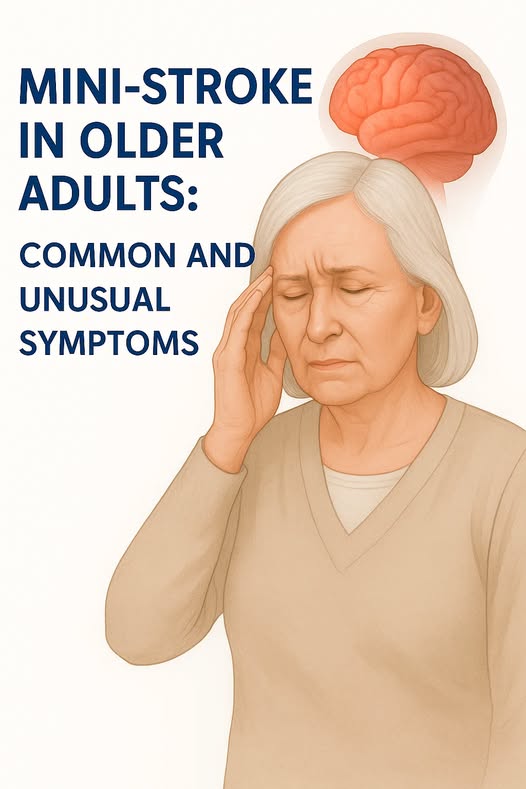
Mini-strokes, or transient ischemic attacks (TIAs), are serious medical emergencies that can strike anyone, but they are particularly prevalent among older adults. Recognizing the warning signs early can be vital for long-term health and recovery. This article outlines five key symptoms of mini-strokes that caregivers and family members should be vigilant about to ensure timely medical intervention.
Sudden Loss of Strength or Sensation
One of the most common indicators of a mini-stroke is a sudden loss of strength or sensation on one side of the body. This may present as weakness in a leg, arm, or even the face, leading to noticeable difficulties such as an inability to lift an arm or an asymmetrical smile. Although this weakness is often temporary, it is a clear signal that something is amiss. Caregivers and family members must be attentive to these changes and seek immediate medical attention.
Difficulty Speaking or Understanding Language
Another significant symptom of a mini-stroke is slurred speech or difficulty articulating words. Older adults may struggle to find the right words, confuse them, or remain silent when attempting to respond. Additionally, they may have trouble understanding spoken language. These issues arise from temporary brain damage affecting the areas responsible for language. Dysarthria, or difficulty in speech, is a critical sign that warrants evaluation by a medical professional.
Vision Disturbances
Visual disturbances are often overlooked but can be a crucial symptom of a mini-stroke. These may include blurred vision, loss of vision in one or both eyes, or experiencing double vision. Such visual abnormalities can be brief but indicate problems with blood flow to the brain’s visual processing areas. It is essential for seniors to have regular eye exams and to be vigilant about any sudden changes in their vision.
