
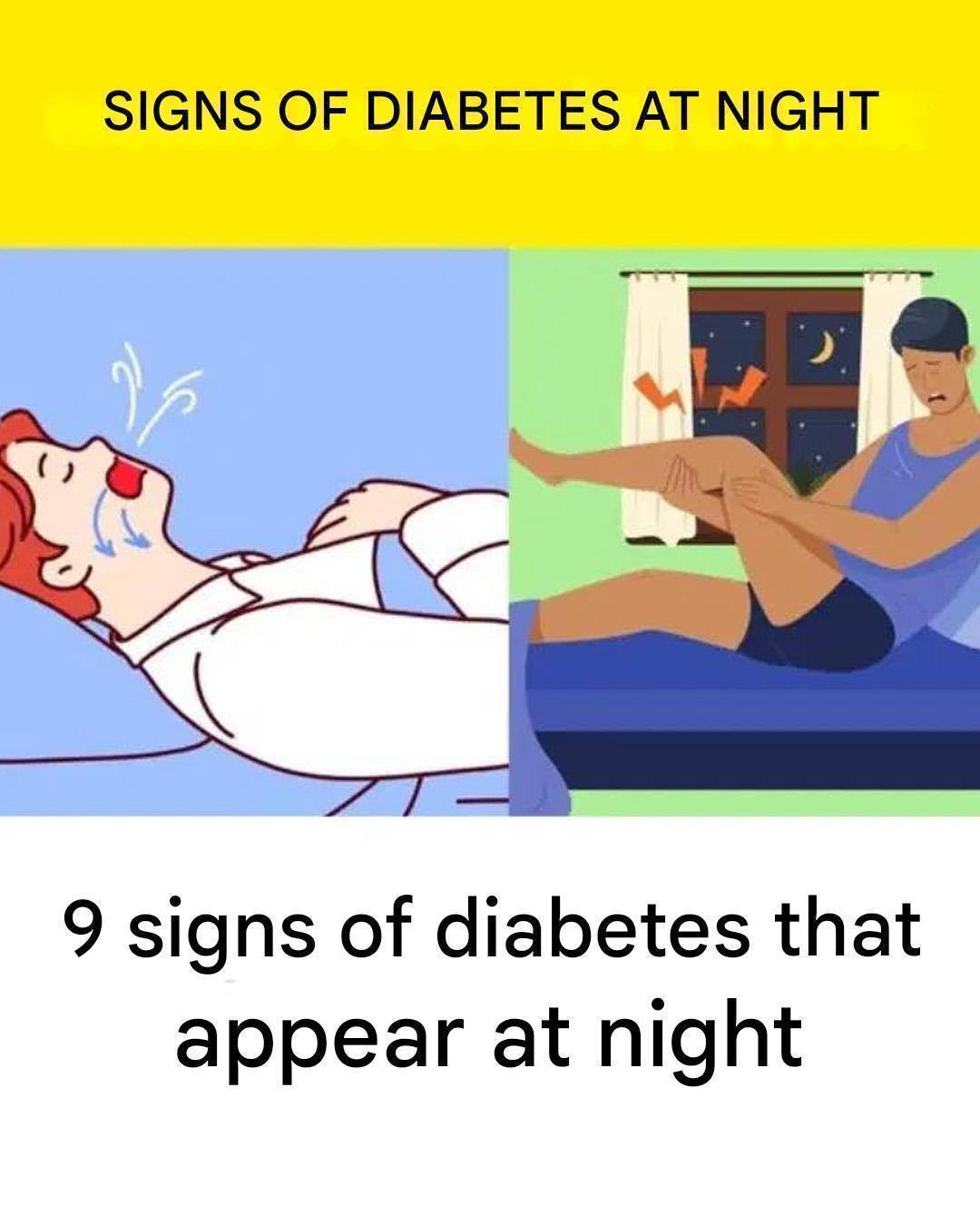
Many people are unaware that diabetes can manifest through subtle signs during sleep. These symptoms, often overlooked, can significantly disrupt your rest and overall health. Understanding these nighttime indicators is crucial for early detection and management of blood sugar imbalances. So, what should you be on the lookout for during your nightly slumber?
Do You Feel an Uncontrollable Urge to Move Your Legs?
Restless legs syndrome may be linked to diabetic neuropathy, a condition characterized by nerve damage due to poorly controlled blood sugar levels. Symptoms such as tingling, tension, or a pins-and-needles sensation can make it challenging to fall asleep and can lead to fragmented sleep patterns.
Do You Snore or Have Breathing Pauses?
Sleep apnea, often underestimated, is prevalent among individuals with type 2 diabetes. This condition particularly affects those who are overweight or obese, increasing the risk of insulin resistance. Disturbed sleep can further exacerbate metabolic imbalances, creating a vicious cycle that impacts overall health.
Do You Often Feel Very Thirsty at Night?
Experiencing intense thirst and a dry mouth upon waking is not something to ignore. This may indicate dehydration linked to elevated blood sugar levels. The body attempts to compensate for water loss through urine by triggering the sensation of thirst, known as polydipsia.
Are You Exhausted Despite a Full Night’s Sleep?
Chronic fatigue can signal poor glucose utilization by your cells. As a result, you may feel persistently drained, as if your body has not truly recovered, even after a full eight hours of sleep. This fatigue can significantly affect your daily functioning and quality of life.
