
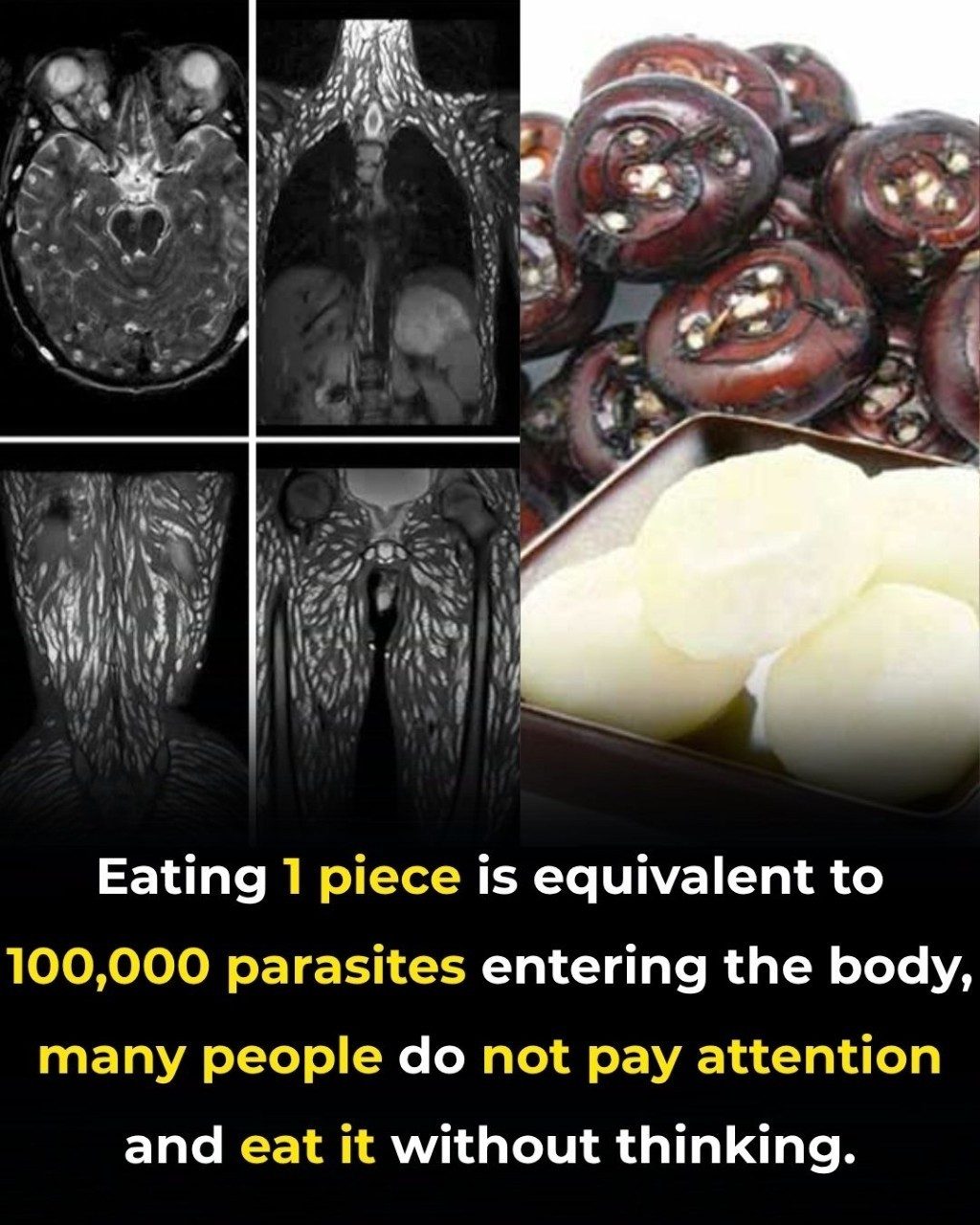
Foodborne parasites pose a significant yet often overlooked threat to our health. These tiny organisms, including tapeworms, roundworms, and protozoa, can lead to serious illnesses from just one contaminated bite. While many people consume potentially risky foods without a second thought, being aware of where these parasites can be found and how to handle food safely is essential for protecting yourself and your loved ones.
Common Parasite-Prone Foods & Risks
Undercooked or Raw Meat & Fish
Certain meats and fish are notorious for harboring harmful parasites. Pork may contain Trichinella spiralis, which causes trichinosis, leading to muscle pain, fever, and swelling. Beef can harbor Taenia saginata, known as the beef tapeworm. Fish, particularly salmon, herring, and cod, may carry Anisakis worms, which can result in severe gastric pain, vomiting, and allergic reactions. Sushi and sashimi also pose risks unless the fish has been previously frozen to eliminate larvae.
Raw or Undercooked Shellfish
Shellfish such as oysters, clams, and mussels are filter feeders that can accumulate parasites like Trematodes from contaminated waters. Consuming these can lead to symptoms including diarrhea, abdominal pain, and in some cases, long-term complications affecting the liver or lungs.
Unwashed or Raw Produce
Leafy greens, berries, and herbs can be contaminated with parasites like Cyclospora, Giardia, or Toxoplasma from polluted soil or water. Even organic produce can be at risk if irrigated with untreated water, making proper washing essential.
Unpasteurized Dairy & Juices
Raw milk, cheeses, and fresh-pressed cider can harbor dangerous parasites such as Cryptosporidium, E. coli, or Listeria. Always opt for pasteurized products, as pasteurization effectively kills these harmful organisms.
Contaminated Water & Ice
Using untreated water for drinking or washing food can introduce parasites into your system. This is particularly important to remember when traveling; avoid tap water, fountain drinks, and ice in high-risk regions.
