Step 1: The Base Compaction
Mix crushed pretzels with melted butter and press into the pan. The “Mechanical Interlocking” Rule: Pressing the base firmly is essential to eliminate air gaps. This ensures that when the cheesecake is sliced, the base has the Tensile Strength to hold the weight of the dairy layer without crumbling.
Step 2: Homogenization and Aeration
Beat the cream cheese until smooth, then fold in the whipped components. The “Shear Stress” Warning: Use gentle folding motions to preserve the Air Voids in the whipped cream. If the mixture is over-mixed, the gas bubbles will collapse, resulting in a dense, rubbery texture rather than a light mousse.
Step 3: The Thermal Set (Chilling)
Refrigerate for at least 4 hours. The “Crystallization” Science: This is where the magic happens. The butter in the base and the milk fats in the cream cheese undergo Secondary Recrystallization, transitioning from a plastic state to a solid state.
[Image showing the process of fat crystallization and solidification]
Step 4: Surface Tension (The Caramel Pour)
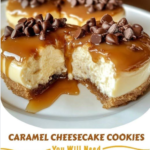
Pour the caramel over the set cheesecake. The “Viscosity Gradient” Secret: Ensure the caramel is at room temperature. If it is too warm, it will melt the surface of the cheesecake through Thermal Conduction, ruining the clean visual separation of the layers.
Service and Storage Tips
Service: Use a hot, dry knife for slicing. The “Thermal Cutting” Rule: The hot blade melts a microscopic layer of fat as it passes through the cheesecake, preventing the filling from sticking to the knife and ensuring a professional finish.
Storage: Store in the refrigerator. The “Hygroscopic” Warning: Pretzels are naturally Hygroscopic (they attract water). Over 48 hours, the base will gradually absorb moisture from the cream cheese, leading to a loss of crunch. For maximum texture, consume within 24 hours.
Variants: Iterative Design Adjustments
| Variation | The Adjustment | The Result |
|---|---|---|
| Chocolate Pretzel | Drizzle melted dark chocolate over the pretzel base before adding filling. | Enhanced Hydrophobic Barrier and bitter-sweet contrast. |
| Bourbon Caramel | Add 1 tsp of bourbon to the caramel sauce. | Increased Volatile Aromatic complexity. |
| Peanut Butter Swirl | Fold 1/2 cup of peanut butter into the cream cheese matrix. | Higher Lipid Density and increased mechanical stability. |
Tips: Pro-Level “No-Bake” Nuances
- The “Butter Barrier”: Use slightly more butter in the base if your pretzels are very finely crushed. The butter acts as a Sealant that prevents the cream cheese moisture from migrating into the pretzel bits.
- Cream Cheese Temperature: Always use “Softened” (21°C) cheese. Cold cream cheese has high Yield Stress, which makes it impossible to achieve a smooth emulsion without lumps.
- Salt Balance: Since pretzels are already salted, use Unsalted Butter for the base to maintain control over the total ionic concentration of the dish.
Conclusion: A Triumph of Structural Balance
No-Bake Salted Caramel Pretzel Cheesecake is a masterpiece of Moisture Management and Phase Separation. By balancing the crunchy, ionic base with the smooth, aerated filling, you create a multi-sensory experience that doesn’t require a single BTU of oven heat. On this Saturday, December 27, 2025, enjoy the perfectly executed results of cold-chain engineering. Happy “baking”!
Frequently Asked Questions
- Why is my cheesecake too soft?
- This is a Stabilization Failure. It usually happens if the filling wasn’t chilled long enough or if low-fat cream cheese was used, which lacks the necessary lipid structure to hold its shape.
- Can I use a different crust?
- Yes, Graham crackers or Oreo crumbs follow the same Structural Rules, though you will lose the specific salt-contrast provided by the pretzels.
- How do I stop the caramel from sliding off?
- Ensure the cheesecake surface is Blotted Dry before pouring the caramel. Any condensation on the surface acts as a lubricant, preventing the caramel from adhering to the dairy layer.
Would you like me to suggest a “Dark Chocolate Ganache” drizzle to top this off, or perhaps show you how to turn this into “Cheesecake Mason Jars” for individual servings?