
Phase 1: The Buttermilk Osmosis
Soak the fish for 30 minutes. The “Drip” Rule: Let the excess buttermilk drip off. If the fish is too wet, the cornmeal will turn into “paste” rather than a “crust.” You want just enough moisture to act as an adhesive.
Phase 2: The Dredge (Shingling)
Press the fish firmly into the cornmeal mix. The “Dry-Hand/Wet-Hand” System: Use one hand for the wet fish and the other for the dry dredge to avoid clumping. You are creating a Physical Barrier that will trap the steam inside the fish, effectively “poaching” it in its own juices while the exterior fries.
Phase 3: The Thermal Impact (The Drop)
Heat your cast iron to 350°F. The “Cast Iron” Advantage: Cast iron has high Thermal Mass. When you drop cold fish into the pan, the temperature will naturally dip. A cast-iron skillet recovers that heat faster than stainless steel, preventing the fish from sitting in lukewarm oil and becoming greasy.
Phase 4: The Bubbling Vapor Barrier
When the fish hits the oil, you will see vigorous bubbling. This is Vapor Pressure. The water in the fish is turning to steam and escaping. This outward pressure prevents the oil from entering the fish. This is why you must maintain the heat—if the temperature drops, the vapor pressure fails, and the oil rushes into the fish.
Phase 5: The “Set” and Drain
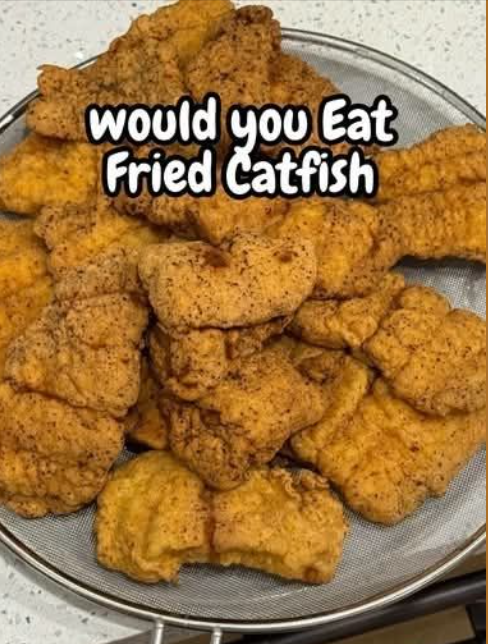
Fry for 3-4 minutes per side. The “Wire Rack” Secret: Never drain fried fish directly on paper towels for more than 30 seconds. Paper towels trap steam under the fish, which will instantly soften your hard-earned cornmeal crust. A wire rack allows air to circulate around the entire fillet, keeping it crisp on both sides.
The Science: Why Cornmeal Stays Crunchy
Cornmeal is primarily made of Large Granule Starches that do not dissolve easily. During frying, these granules undergo Gelatinization and then Dehydration. Because they are larger than flour particles, they create a rougher surface area that stays rigid even when exposed to the moisture of the cooked fish. This is the secret to a “long-lasting” crunch.
Chef’s Tips for a Legendary Fish Fry
- The “Oil Depth”: You don’t need a deep fryer. In a cast-iron skillet, fill the oil halfway up the side of the fish. This is “Shallow Frying,” which allows the top side of the fish to “vent” steam, resulting in a lighter texture.
- The “Pinch of Cayenne”: Even if you don’t like heat, the cayenne is a Metabolic Catalyst. A small amount increases blood flow to the tongue, making the flavors of the garlic and paprika more intense.
- Check the Internal Temp: Catfish is perfectly cooked at an internal temperature of 145°F. It will be opaque and flake easily with a fork.
Southern Side Pairing Science
| Side Dish | The Science | The Palate Role |
|---|---|---|
| Hush Puppies | Starch + Fat. | Matches the cornmeal profile of the fish. |
| Coleslaw | Acidity + Cold. | Cuts through the heavy oils of the fry. |
| Tartar Sauce | Lipids + Capers (Salt). | Enhances the savoriness of the white fish. |
Conclusion: A Christmas Eve Tradition
Southern Fried Catfish is a testament to the balance of temperature and texture. By mastering the buttermilk soak and the cornmeal dredge, you transform a humble fillet into a culinary masterpiece. On this Christmas Eve 2025, as the sound of the sizzle fills your kitchen and the smell of toasted cornmeal wafts through the air, you’re serving a masterclass in Southern hospitality. Enjoy every crunchy, tender bite!
Frequently Asked Questions
- Can I bake this instead?
- You can, but the texture will be significantly different. To get a “fried” crunch in the oven, you must spray the breaded fish heavily with oil and bake at a high heat (425°F). It won’t have the same “vapor barrier” protection as frying.
- My crust fell off! Why?
- This usually happens if the fish was too wet when it was dredged, or if you flipped the fish too early. The crust needs about 2 minutes to “set” its structure before it is disturbed.
- What is the best oil to use?
- Peanut oil is the gold standard for fish fries because of its high smoke point and neutral flavor. If allergies are a concern, Canola or Vegetable oil are excellent substitutes.
Would you like me to suggest a “Spicy Remoulade” recipe to go with this, or perhaps show you how to make “Homemade Hush Puppies” using the leftover cornmeal mix?