The Biomechanics of the Meat Lovers Casserole: Engineering a High-Density Protein Matrix
Introduction: The Geometry of Savory Comfort
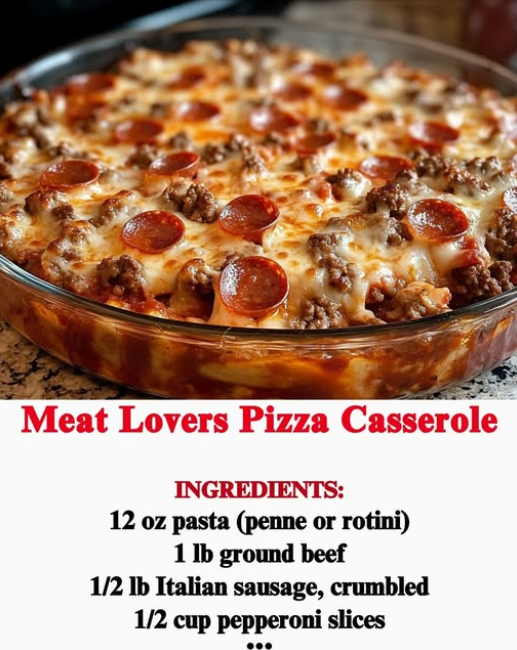
The Meat Lovers Pizza Casserole is a triumph of laminar food design. Unlike a standard pizza, which relies on a two-dimensional dough base, this casserole utilizes a three-dimensional structural carbohydrate scaffold (pasta) to support a massive load of diverse proteins. The objective is to achieve a harmonious balance between moisture migration from the sauce and the lipid release from the meats, all while maintaining the structural integrity of the pasta.
In this culinary regulation, we analyze how the interaction of conductive heat and emulsified fats creates a dish with superior satiety and textural complexity. By manipulating the surface-area-to-volume ratio of the meat components and controlling the starch gelatinization of the pasta, we engineer a dining experience that delivers the essence of a pizza with the comforting density of a baked pasta dish.
Ingredients: The Molecular Building Blocks
1. The Structural Scaffold
- 12 oz Penne or Rotini: The carbohydrate framework. Rotini is particularly efficient at capillary entrapment, holding the sauce in its helical grooves.
2. The Multi-Phase Protein Matrix
- 1 lb Ground Beef & 1/2 lb Italian Sausage: The primary protein bulk. The sausage introduces fennel and chili aromatics that act as flavor catalysts.
- 1/2 cup Pepperoni & 1/2 cup Bacon: These provide cured lipids and salt, adding a secondary layer of “crunch” and smoke.
3. The Binding System (Sauce & Spices)
- 2 cups Marinara/Pizza Sauce: The aqueous continuous phase that hydrates the matrix.
- Italian Seasoning & Garlic Powder: Volatile aromatics that provide the characteristic pizza olfactory profile.
4. The Adhesion Layer (Cheeses)
- Mozzarella, Cheddar, & Parmesan: A tri-blend lipid barrier. Mozzarella provides elasticity, Cheddar adds sharpness and color, and Parmesan provides ionic salinity (saltiness) and umami.
Instructions: The Protocol for Sequential Assembly
Step 1: Starch Pre-Conditioning
Cook the pasta. Technical Regulation: Boil until 2 minutes before al dente. This ensures the pasta retains its elastic modulus during the second thermal cycle in the oven, where it will absorb moisture from the marinara sauce.
Step 2: Protein Denaturation and Fat Rendering
Sauté beef and sausage. This step initiates the Maillard Reaction, creating complex flavor compounds through the interaction of amino acids and reducing sugars. Draining excess fat is essential to prevent lipid saturation of the pasta, which would lead to a greasy mouthfeel.
Step 3: The Homogeneous Mix
Combine the pasta, meat, pepperoni, bacon, sauce, and spices in a large vessel. This ensures that the flavor distribution is uniform throughout the casserole’s volume before the final setting phase.
Step 4: The Thermal Setting (Baking)
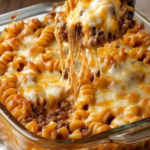
Apply the cheese blend and bake at 375°F for 20-25 minutes. During this phase, convection heat causes the cheese to undergo glass transition and melt into a continuous protective layer. The “bubbly” appearance indicates the boiling point of the lipids and the successful reduction of the sauce.
[Image of heat transfer by convection in an oven]
Serving and Storage: Post-Culinary Regulations
Serving: Allow the casserole to rest for 5–10 minutes post-bake. This is a stabilization period where the cheese begins to firm and the sauce re-thickens, preventing “structural collapse” when sliced.
Storage: Store in an airtight container for up to 4 days. When reheating, use an oven or air fryer to maintain the tensile strength of the cheese; microwaves can cause “starch retrogradation,” making the pasta feel slightly mushy.
Tips: Pro-Level Casserole Engineering
- The “Pepperoni Top”: Reserve some pepperoni slices to place on top of the cheese. The direct exposure to radiant heat causes the edges to curl and crisp, creating localized textural variety.
- Acidity Balance: If your marinara sauce is overly sweet, add a teaspoon of balsamic vinegar. The acid will brighten the heavy fat profile of the meat and cheese.
- Rinsing the Pasta? Never rinse the pasta. The surface starch is required to facilitate the adhesion between the pasta and the sauce.
Variations: Iterative Design Adjustments
| Variation | The Adjustment | The Result |
|---|---|---|
| Vegetable Reinforcement | Add 1 cup sautéed bell peppers and mushrooms. | Increased fiber density and moisture content. |
| White Pizza Style | Swap marinara for Ricotta and Alfredo sauce. | A high-lipid, low-acid flavor profile. |
| Spicy Kick | Double the red pepper flakes and use “Hot” Italian sausage. | Increased capsaicin volatility and heat. |
Tips: Optimizing the Cheese Pull
Conclusion: A Triumph of Composite Flavor
The Meat Lovers Pizza Casserole is a masterclass in Material Science and Thermal Management. By layering diverse proteins within a stabilized starch scaffold and sealing them with a multi-blend lipid barrier, you create a dish that is both structurally sound and decadent. On this December 27, 2025, enjoy the perfectly executed results of your kitchen engineering. Happy baking!
Frequently Asked Questions
- Can I use a different pasta shape?
- Yes, though hollow or ridged shapes are superior. Shapes like penne, rotini, or shells maximize the interfacial contact between the pasta and the sauce.
- Is the ground beef/sausage mix necessary?
- Technically no, but the sausage provides essential triglycerides and herbs that standard ground beef lacks, creating a more “authentic” pizza flavor profile.
- How do I prevent the casserole from being watery?
- Ensure you drain the meat thoroughly and don’t over-boil the pasta. Also, use a thick pizza sauce rather than a thin tomato juice base to maintain viscosity.
Would you like me to suggest a “Garlic Knot” recipe to serve alongside this casserole, or perhaps show you how to turn these leftovers into “Pizza Pasta Frittatas”?