Phase 1: Initial Hydration & Scaffolding
Combine flours, sugar, salt, and yeast. Incorporate eggs and milk. Knead until the dough reaches the “Windowpane Stage”—where a small piece can be stretched thin enough to see light through it without tearing. This ensures the gluten is strong enough to host the butter.
Phase 2: Gradual Lipid Emulsification
Introduce butter one cube at a time. This is Interfacial Engineering. If you add all the butter at once, the dough will slide around and the gluten will “shred.” By adding it slowly, you force the fat to emulsify into the existing protein lattice.
Phase 3: Fermentation & Shaping
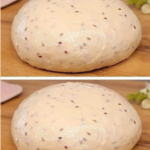
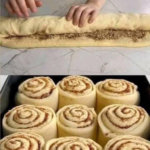
Bulk ferment until doubled. After shaping into 12 rolls, a second “Proofing” phase is required. During this time, the yeast produces gas that inflates the buttery pockets. The dough should look “puffy” and feel like a marshmallow.
Phase 4: The Maillard Finish
Brush with egg wash. The Proteins and Sugars in the egg wash react under the 180°C heat to create the signature high-gloss, mahogany-colored crust without drying out the interior.
4. Service and Storage: Post-Bake Management
Because of the high butter content, brioche is prone to Starch Retrogradation (staling) if left exposed. Proper cooling and storage are vital to maintain the “pillowy” texture.
| State | Texture Observation | Stability Limit |
|---|---|---|
| Warm (15 mins post-bake) | Peak aromatics; ultra-soft crumb. | Serve immediately for burgers. |
| Room Temp (sealed) | Stable structure; buttery mouthfeel. | 2 Days. |
| Frozen | Fats are locked; prevents staling. | 1 Month (Thaw at room temp). |
5. Tips: Managing the Thermal Curve
- The Flour Dusting: Use as little flour as possible during shaping. Excess flour will stay dry and create “seams” in the bun that can split during baking.
- Steam in the Oven: For a thinner, softer crust, place a small pan of water at the bottom of the oven during the first 5 minutes of baking.
Conclusion: The Synergy of the Bun
Pillowy Brioche Buns are the pinnacle of Enriched Dough Engineering. By respecting the sequence of gluten development and lipid integration, you transform simple dairy and wheat into an airy, cloud-like vessel. Whether supporting a savory burger or a simple spread of jam, the brioche bun represents the gold standard of baking. Enjoy the shred!
Frequently Asked Questions
Q: Why are my buns dense?
A: Usually due to Under-Proofing or Weak Gluten. Ensure you knead until the windowpane stage and let the shaped rolls rise until they look significantly “inflated.”
Q: Can I use all-purpose flour only?
A: You can, but the buns may collapse under their own weight. The bread flour provides the “backbone” needed to hold up all that butter and egg.
Would you like me to provide a recipe for a “Honey-Garlic Butter Wash” to apply post-bake, or perhaps a guide on how to make “Brioche French Toast” with any leftovers?